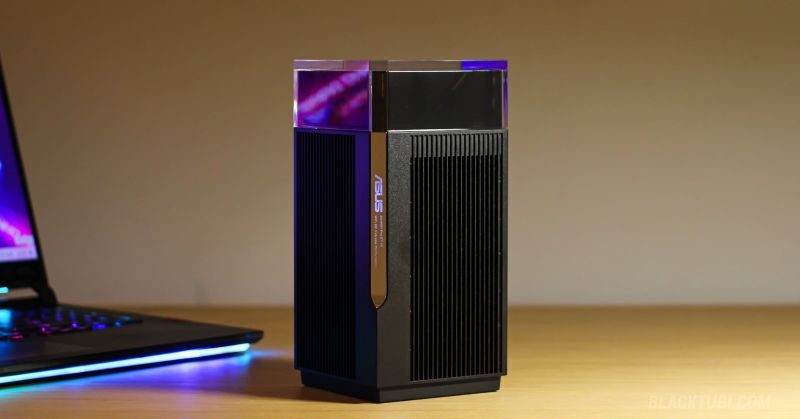
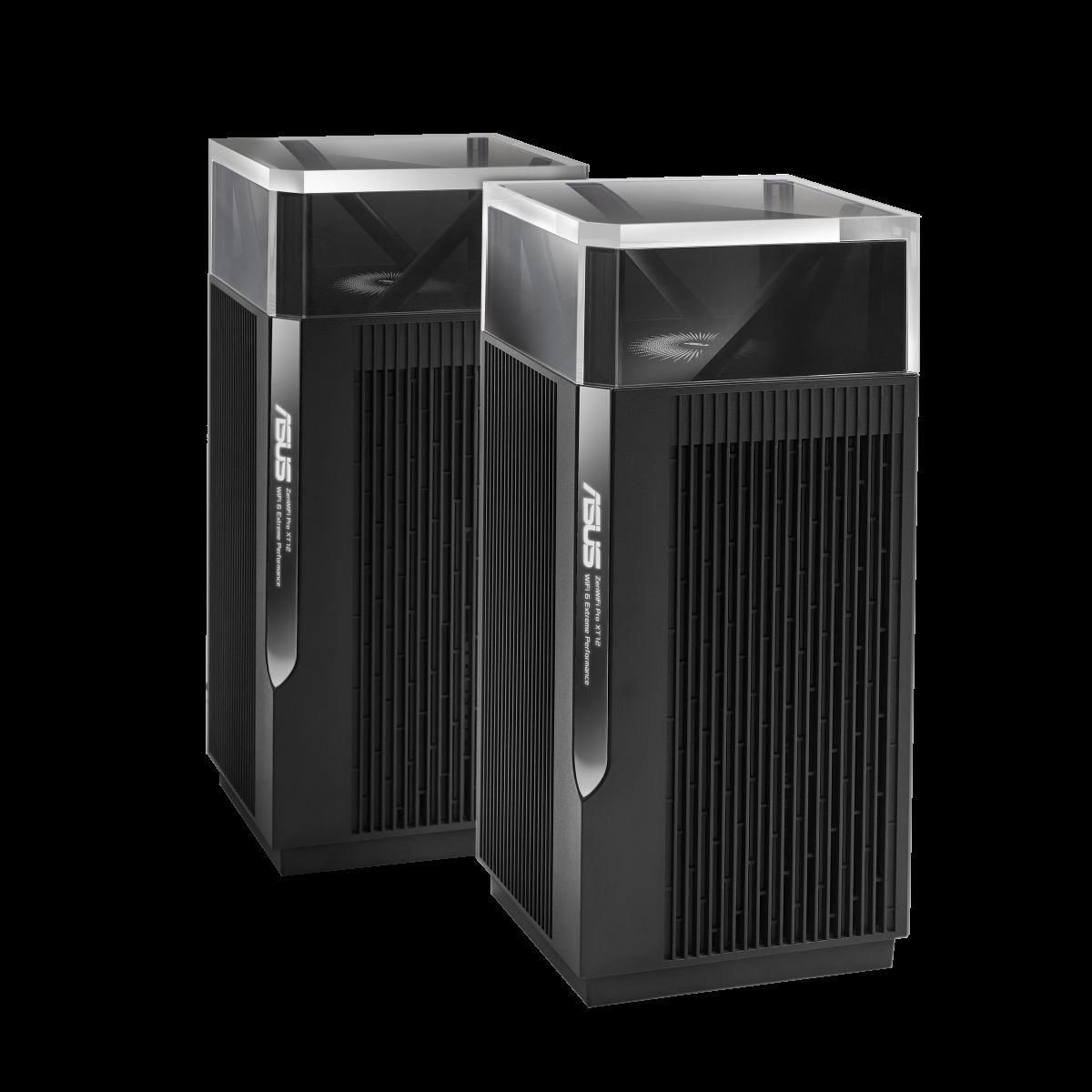
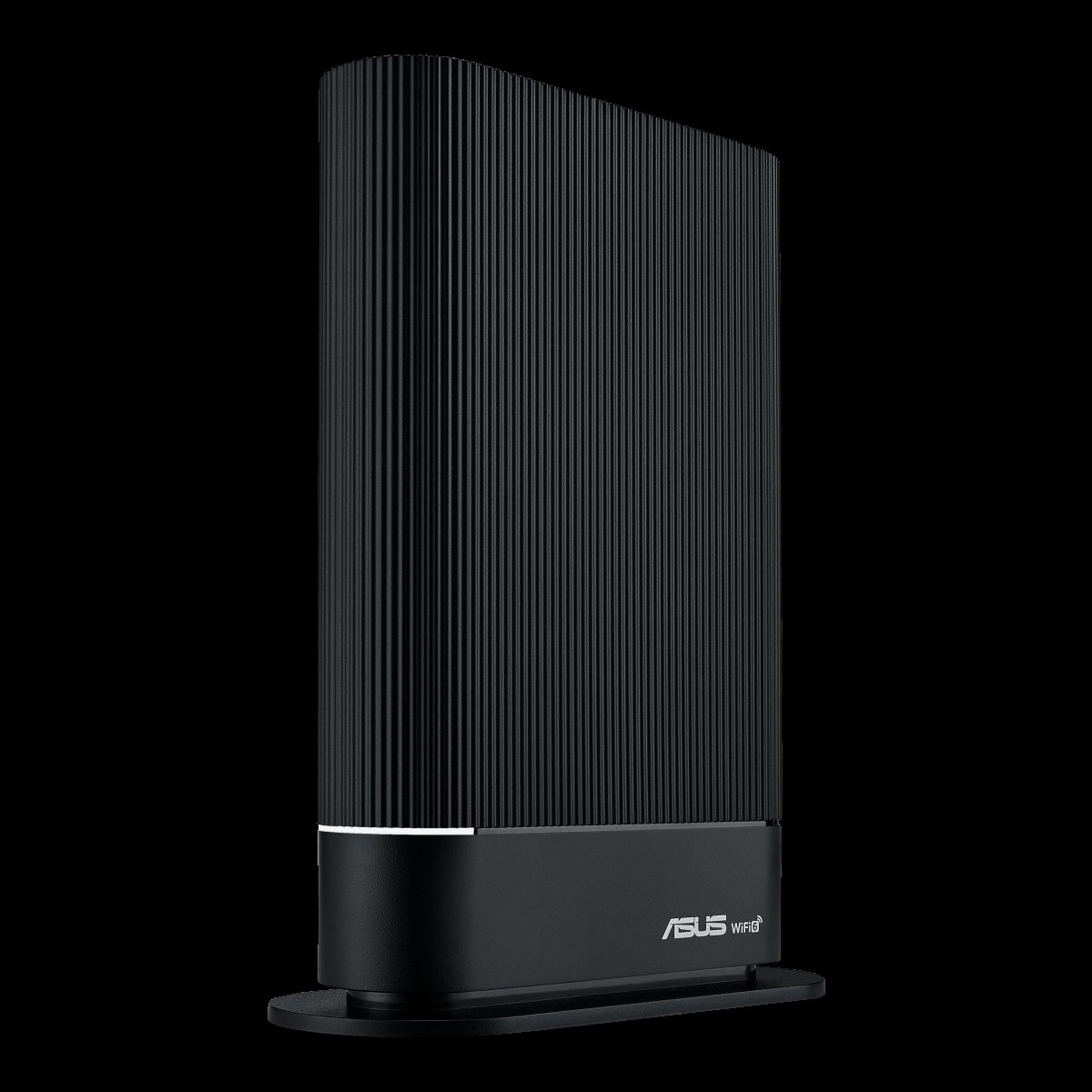
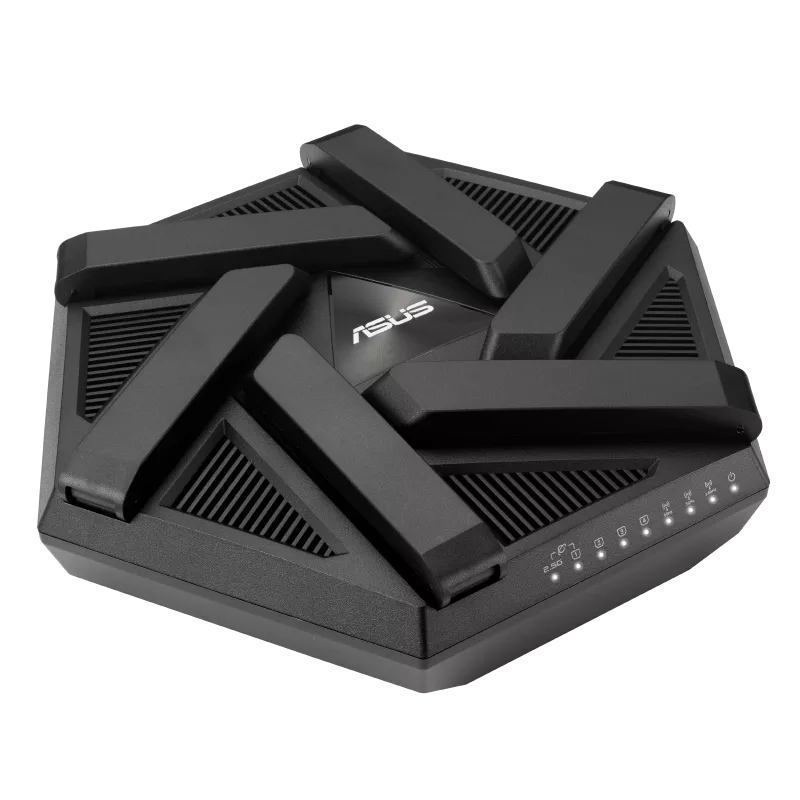
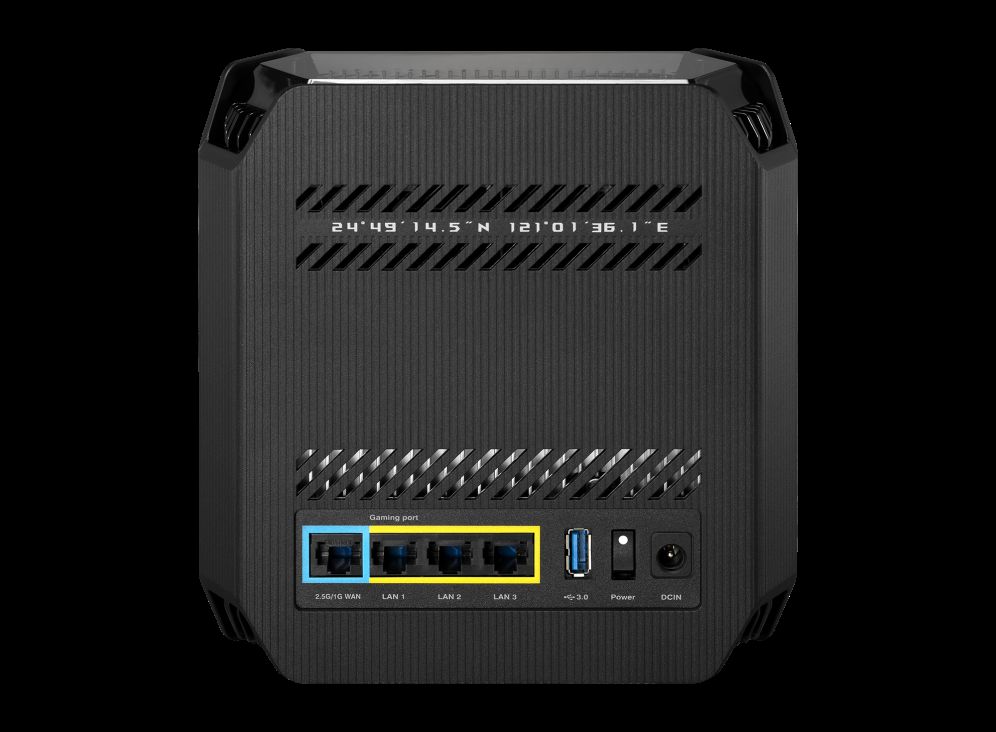
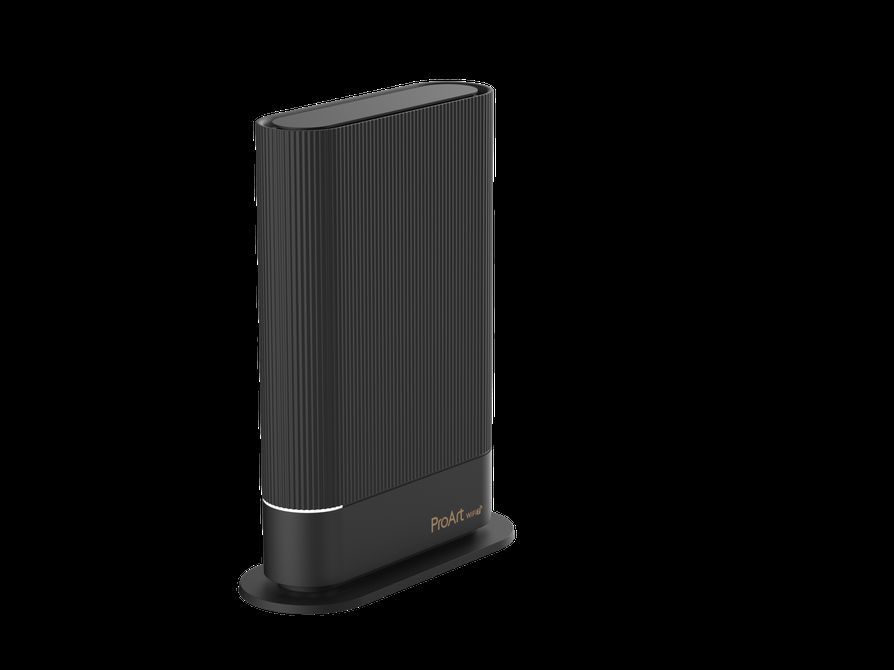
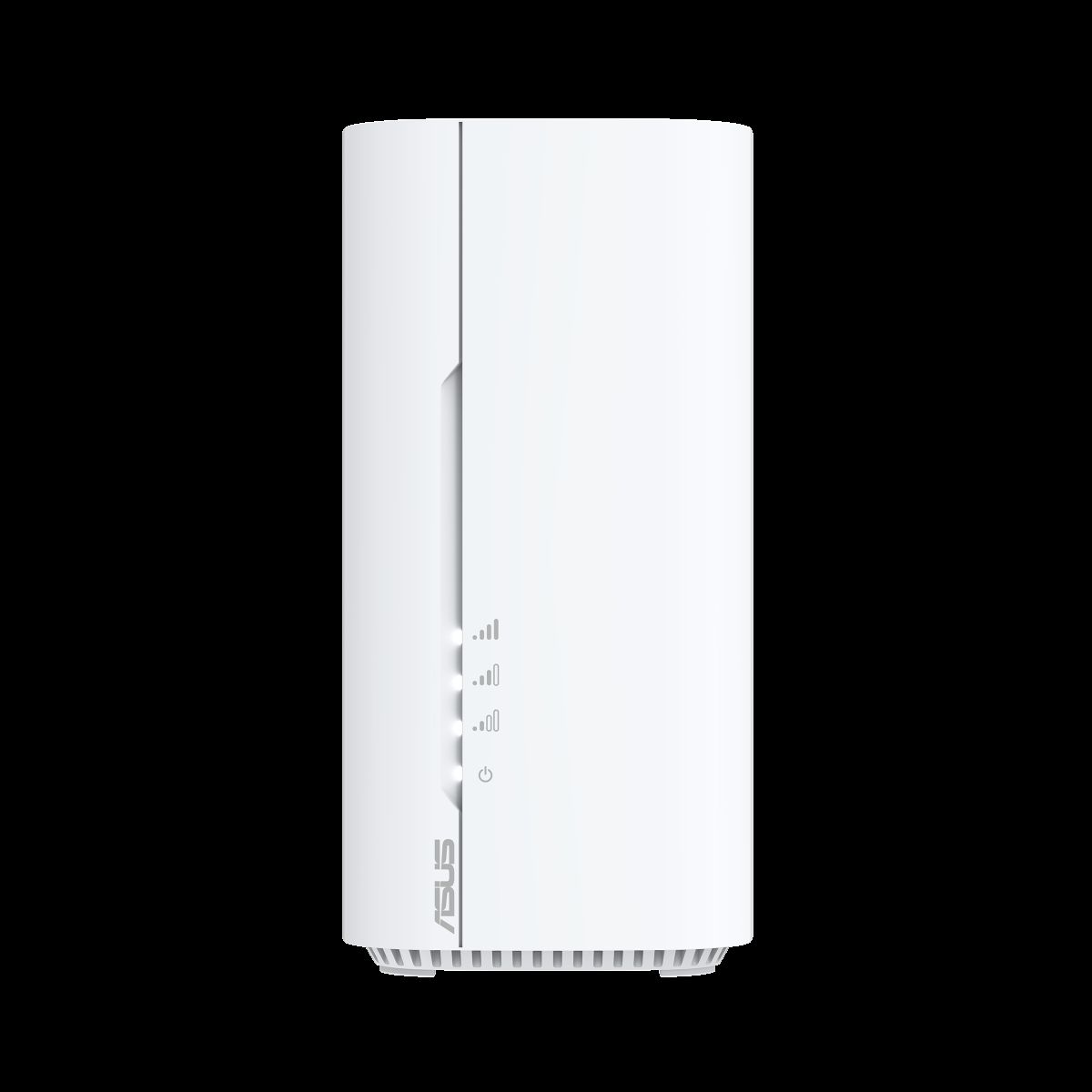
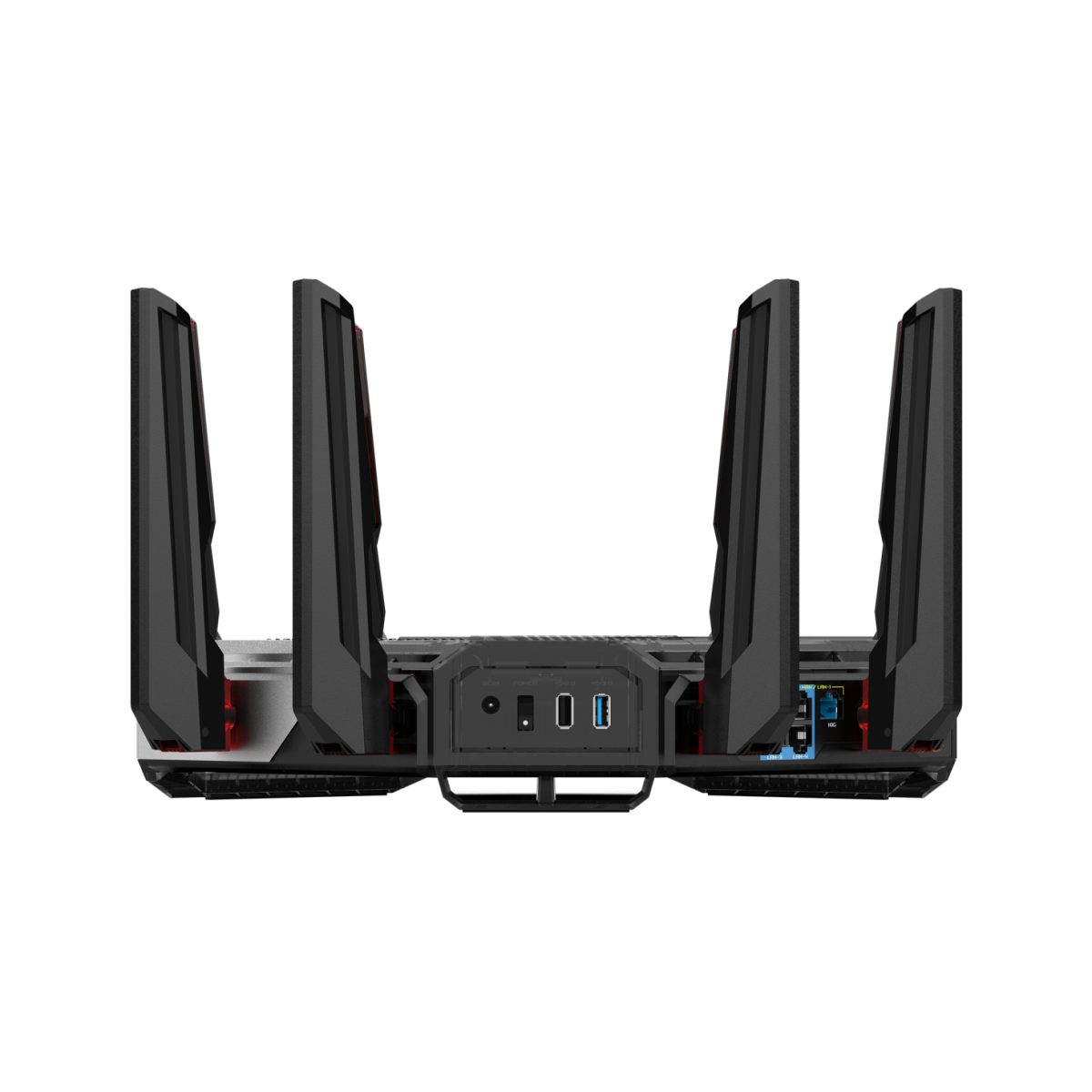
In a striking display of foresight that has potentially stolen the thunder from the nascent Wi-Fi 7 generation, networking giant ASUS has formally confirmed its ambitious roadmap focusing on the development of next-generation Wi-Fi 8 (802.11bn) routers.
The announcement is a significant strategic maneuver, particularly as the industry is still grappling with the complexities and rollout of Wi-Fi 7 (802.11be). While Wi-Fi 7 promises staggering theoretical speeds reaching 46 Gbps, leveraging Multi-Link Operation (MLO) and expansive 320 MHz channel widths to revolutionize high-density environments, ASUS is clearly casting its gaze much further down the connectivity timeline.
The pre-CES revelation underscores a massive commitment to maintaining a lead in the increasingly competitive home and small business router market, acknowledging that the underlying communications infrastructure is paramount to supporting future applications like immersive extended reality (XR) and high-throughput cloud gaming.
While specifications for 802.11bn remain highly conceptual, the progression from Wi-Fi 7 suggests a heavy emphasis on optimizing spectral efficiency and further minimizing latency, critical components for the proliferation of edge computing and massive machine-type communications (mMTC). Historically, each new iteration drastically boosts real-world throughput, meaning Wi-Fi 8 is likely targeting an unprecedented wireless bandwidth ceiling, moving beyond the current focus on merely aggregation.
It is crucial to note that the IEEE has not yet ratified the Wi-Fi 8 standard, a rigorous process anticipated to conclude closer to 2028. This long-term planning by vendors like ASUS serves less as an immediate product tease and more as a declaration of intent, ensuring that engineering teams are already designing chipsets and complex antenna arrays capable of handling the inevitable complexity increase required for the next massive speed jump.
For consumers and professional network administrators alike, this forward-looking posture ensures that when the definitive Wi-Fi 8 standard finally solidifies, the market will not face a lengthy hardware drought. Instead, the groundwork laid today confirms that the hyper-fast, ultra-low-latency communication infrastructure necessary for the next decade of personal devices and sophisticated digital integration is already a top priority for leading networking manufacturers.