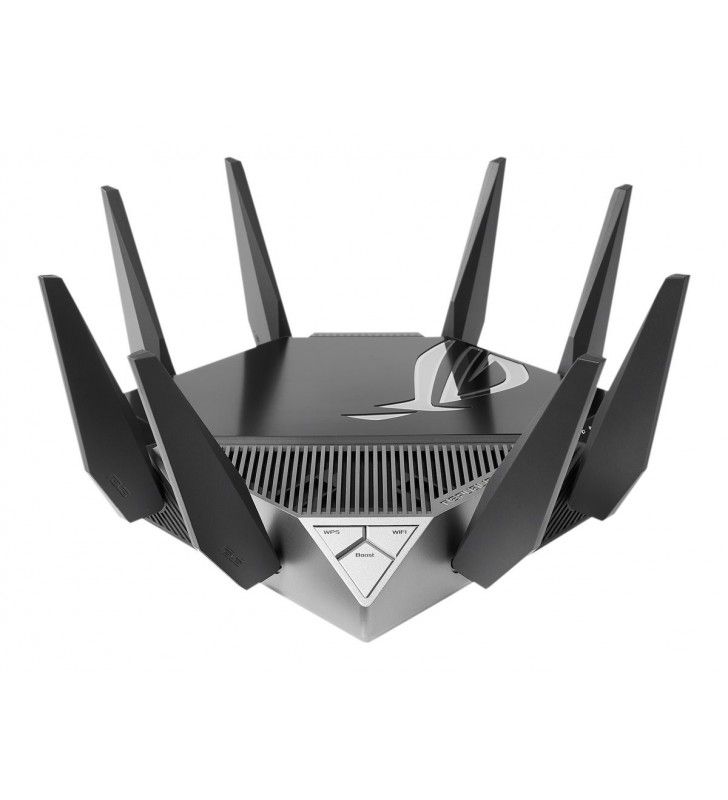
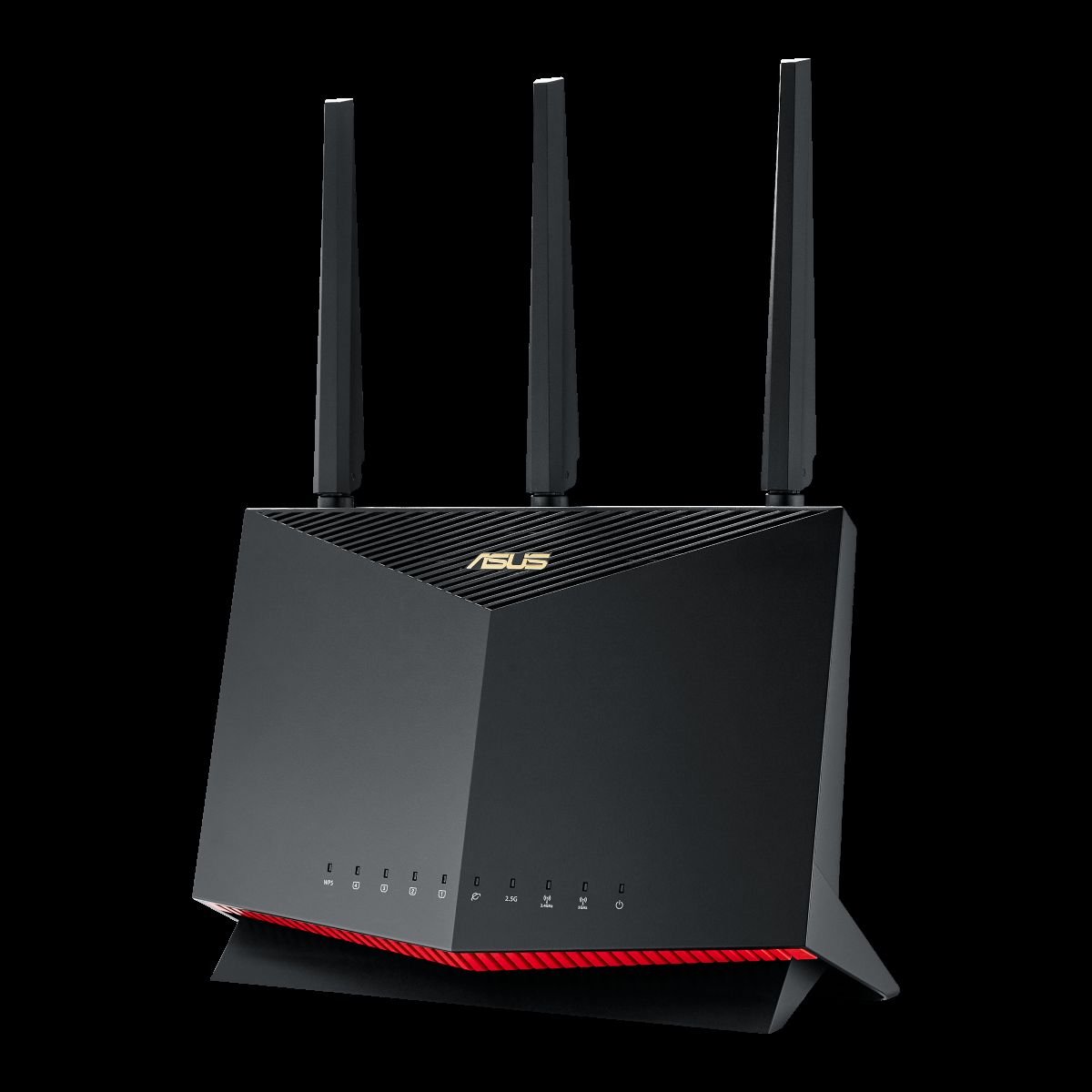
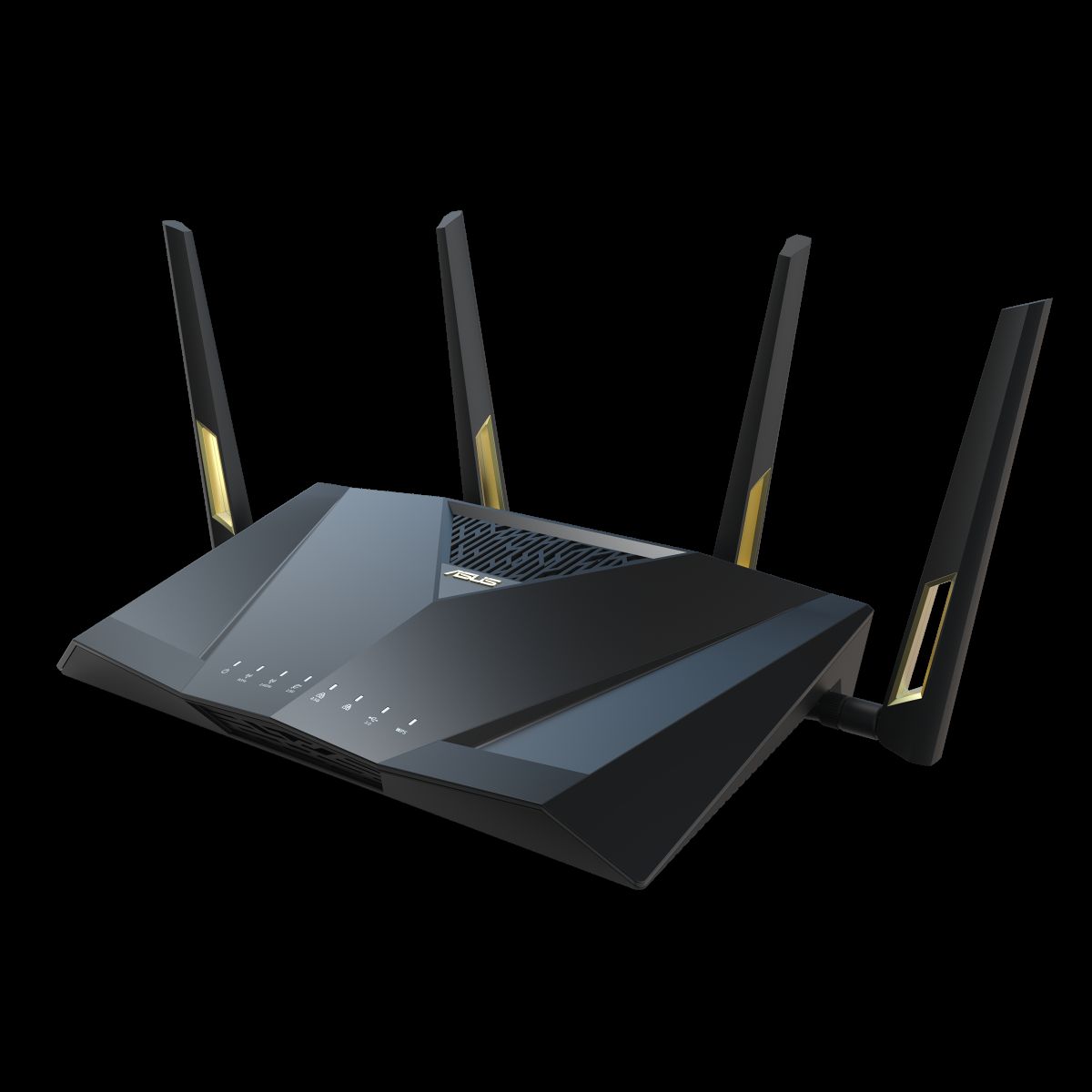
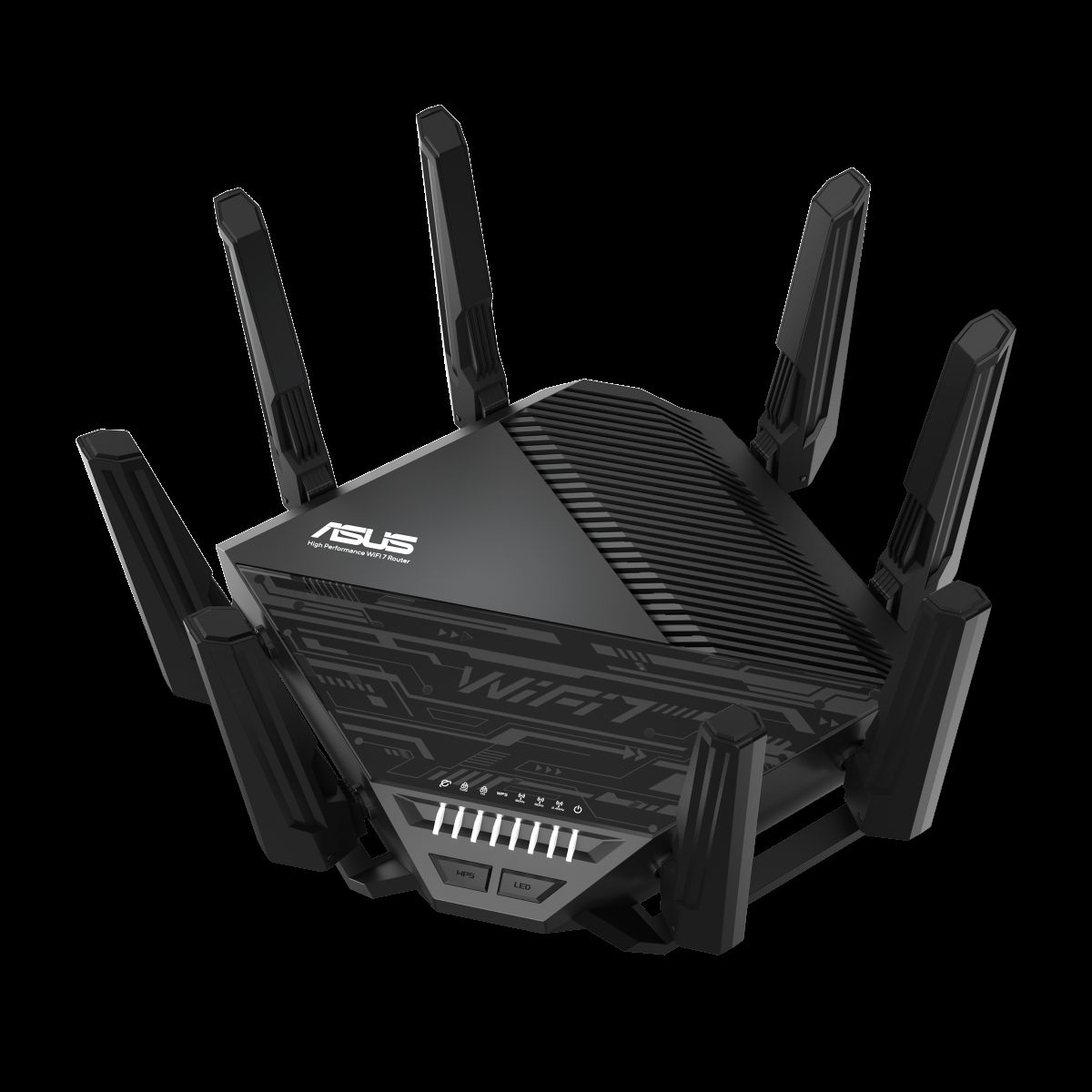
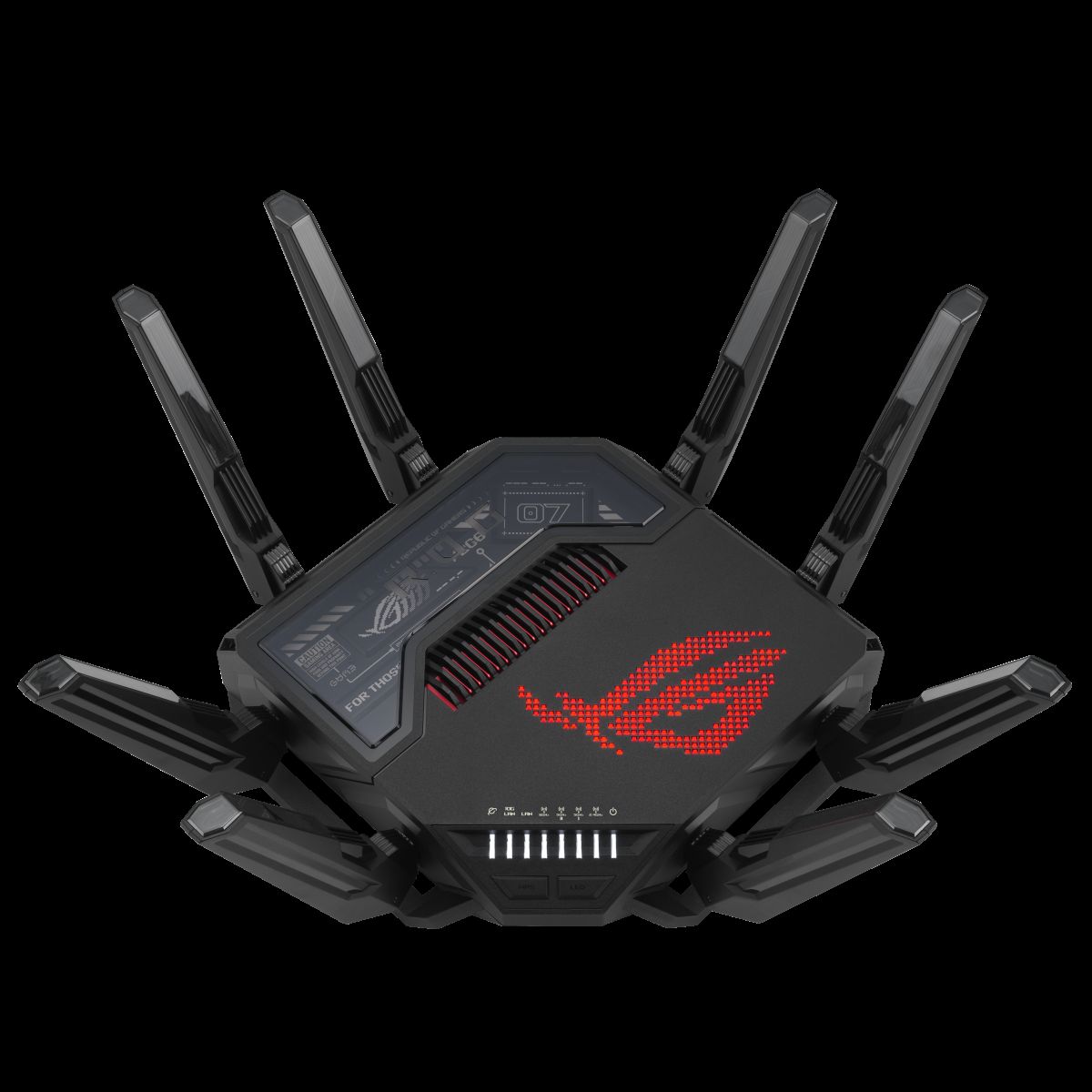
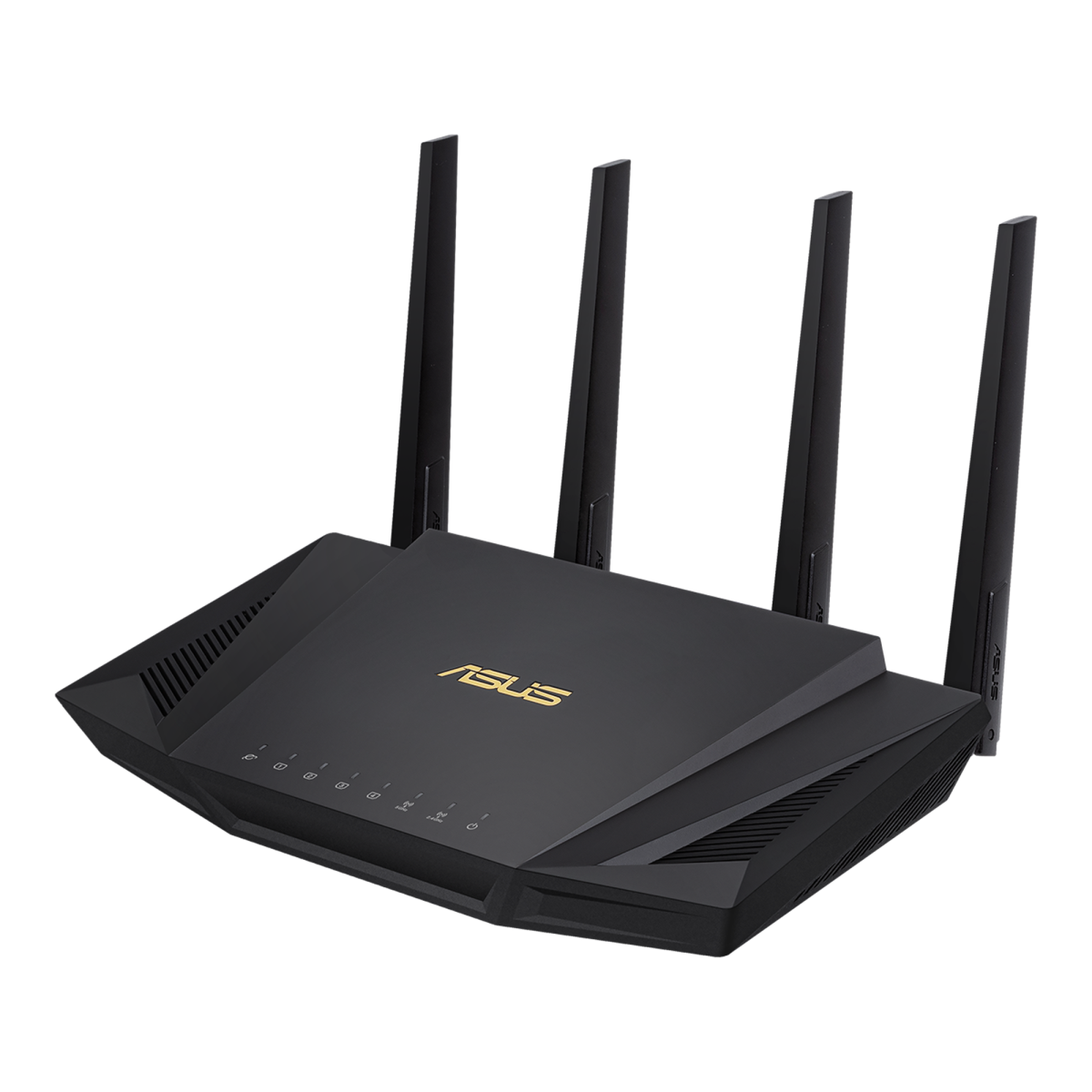
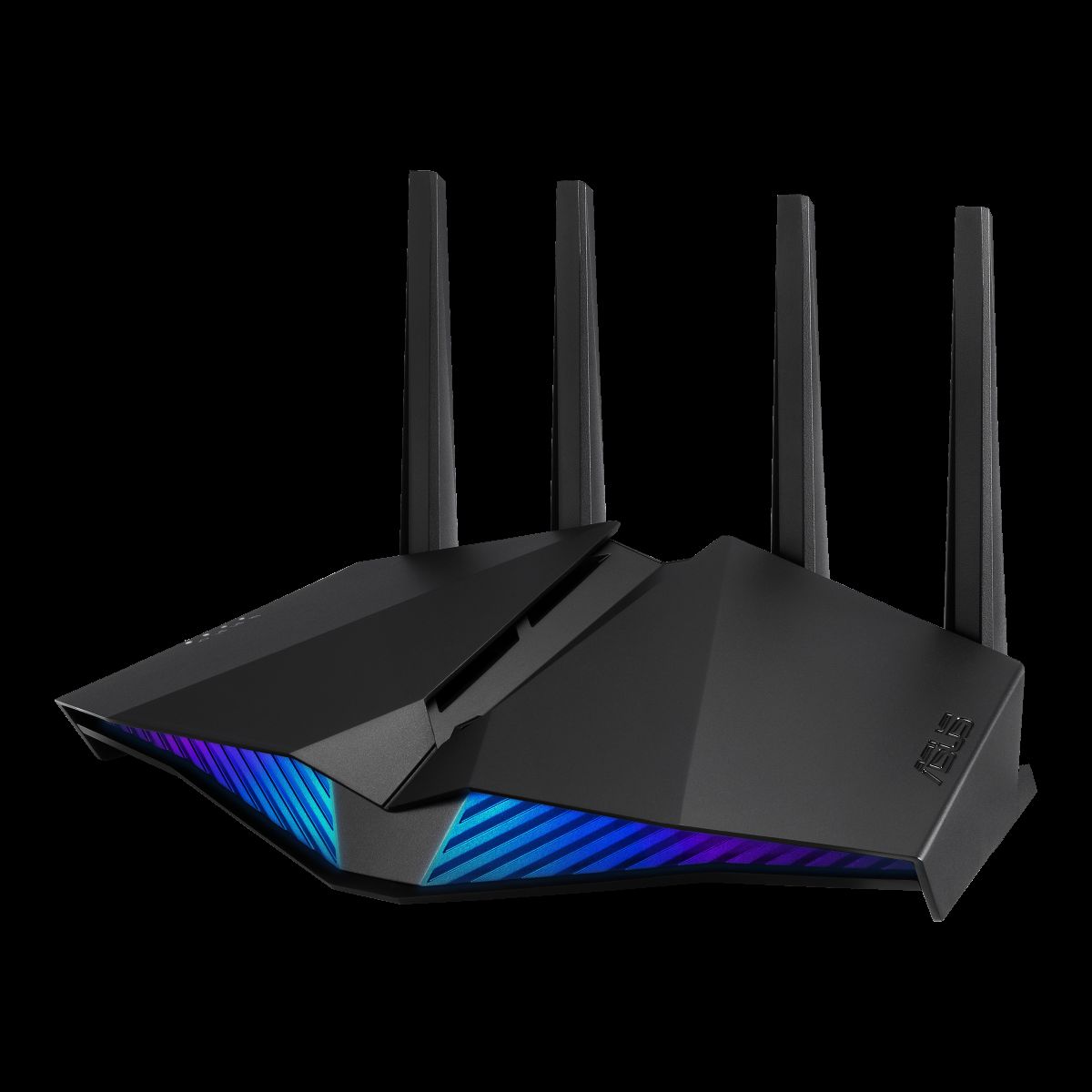
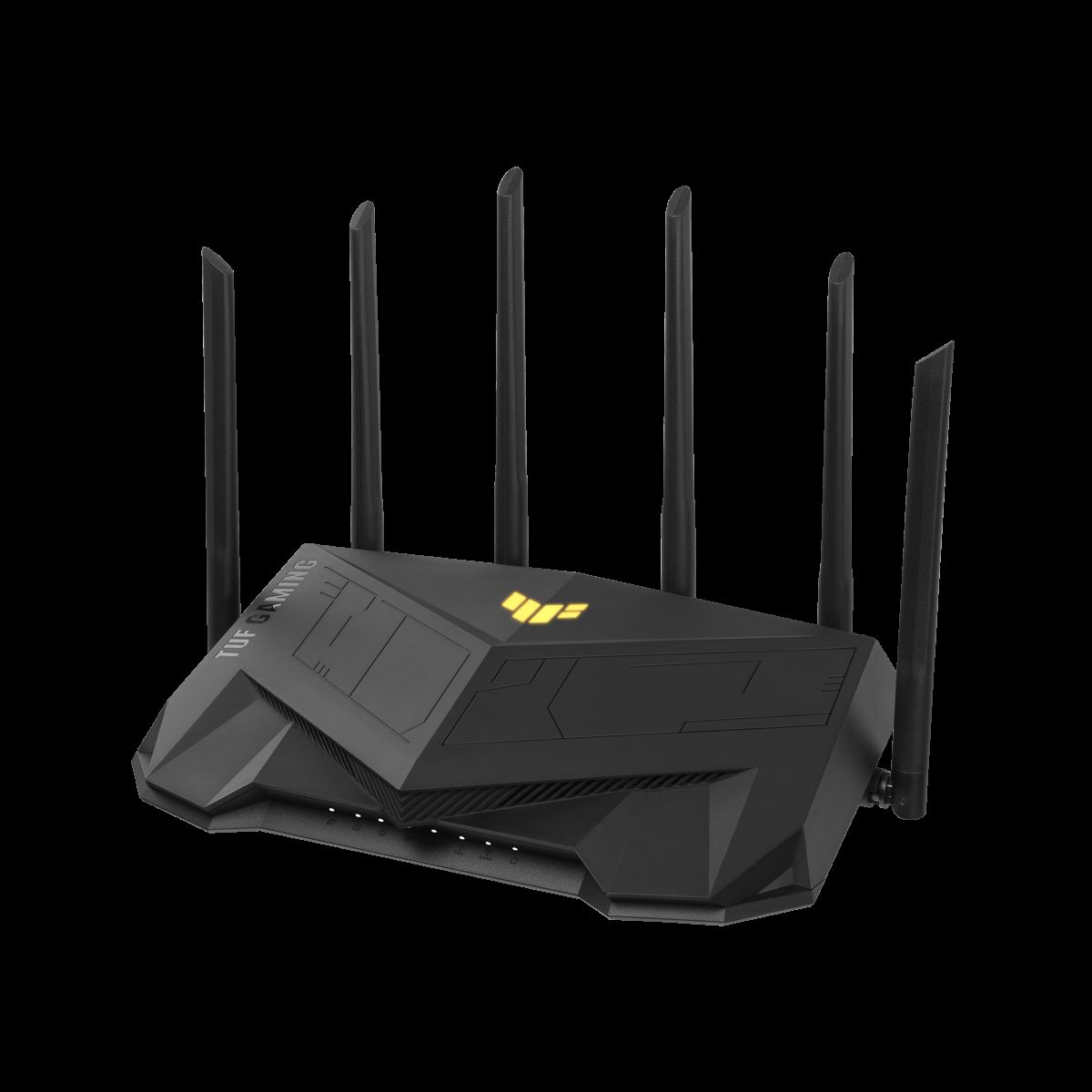
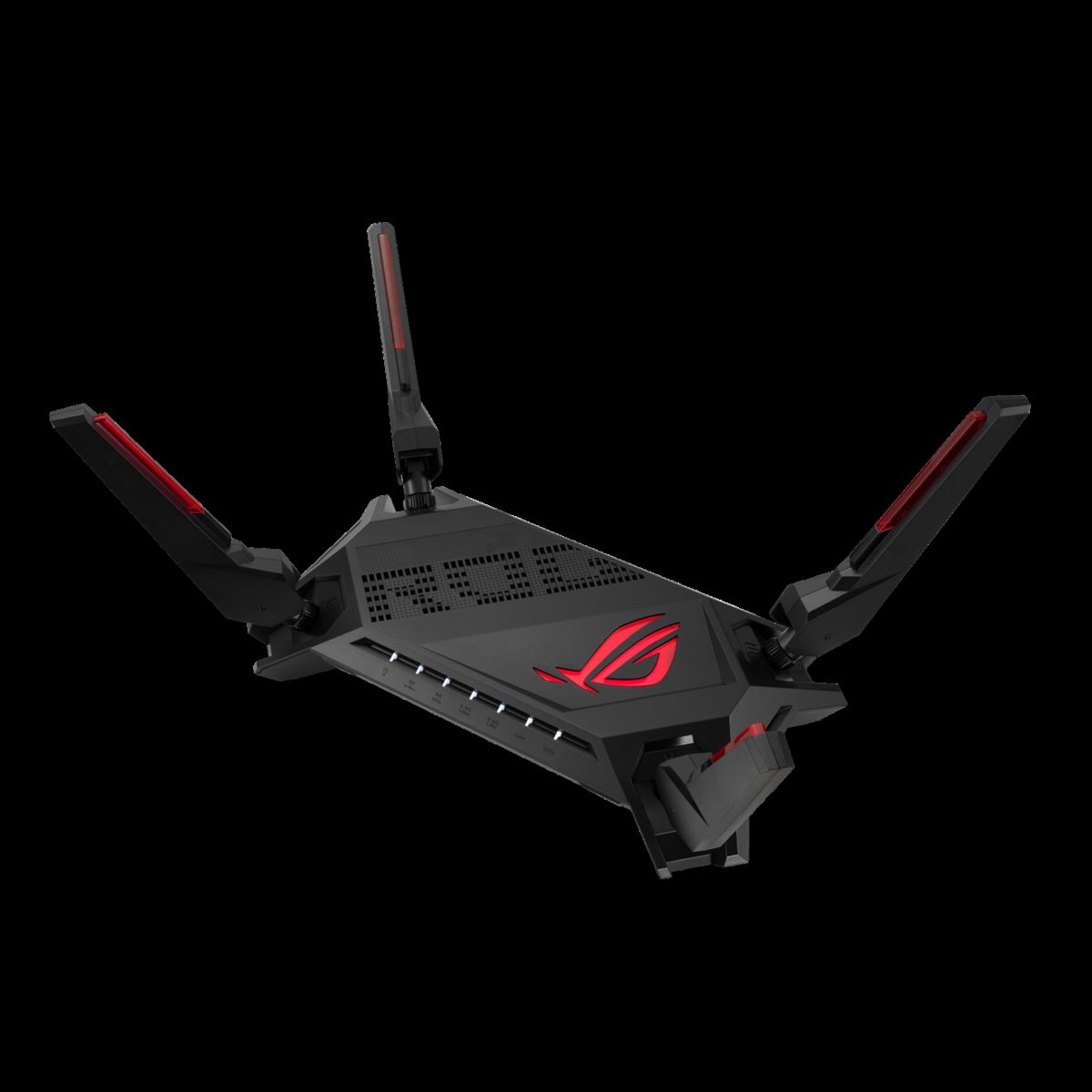
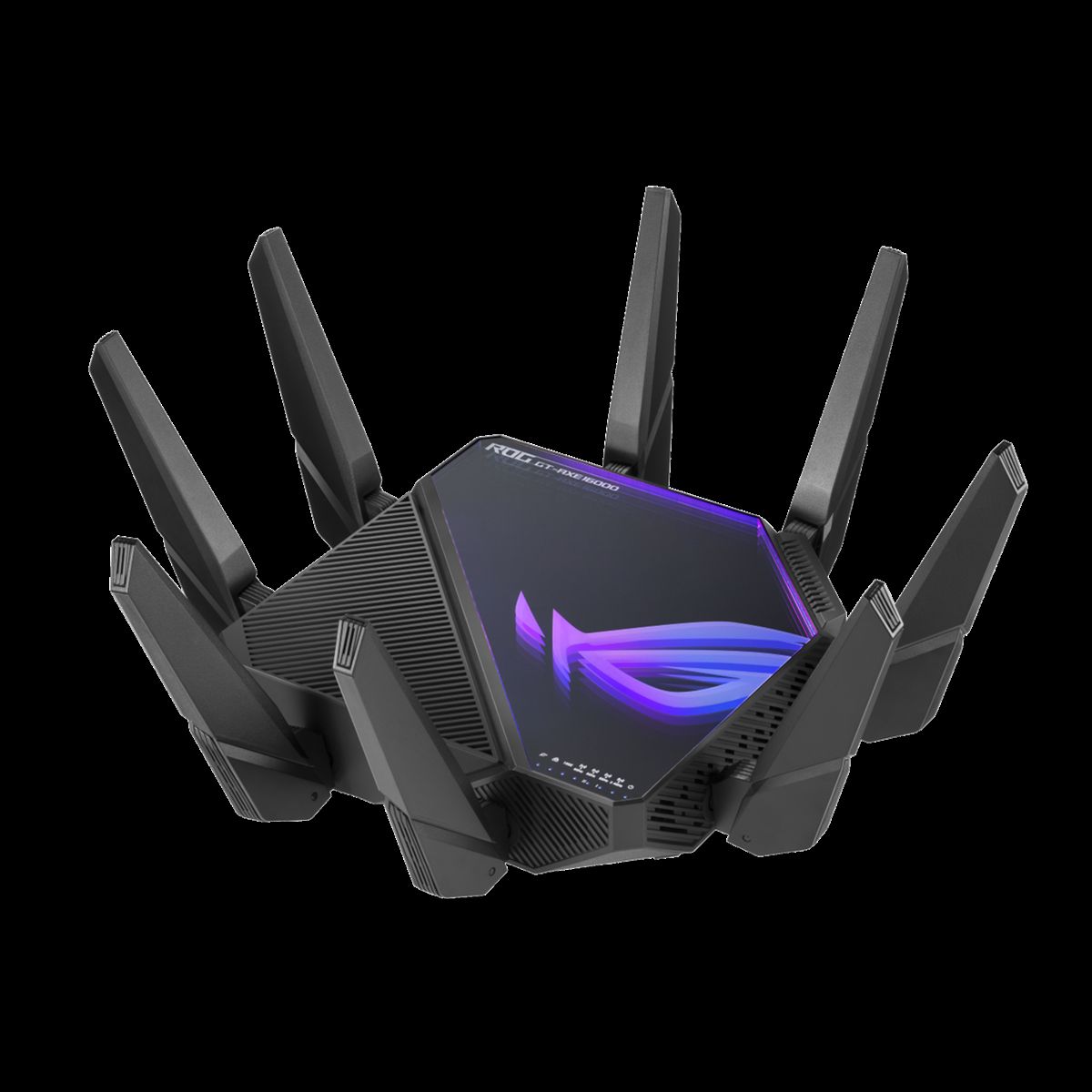
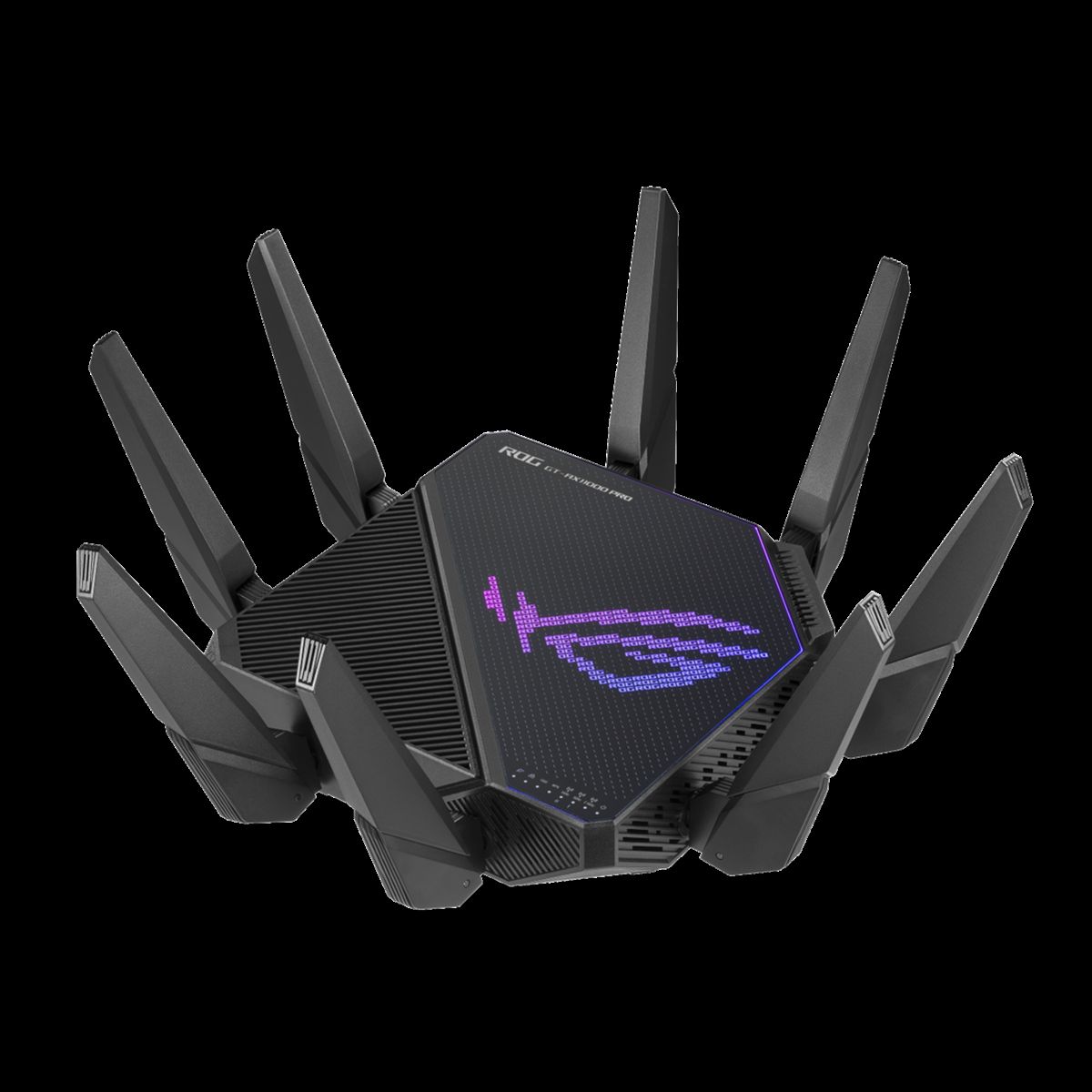
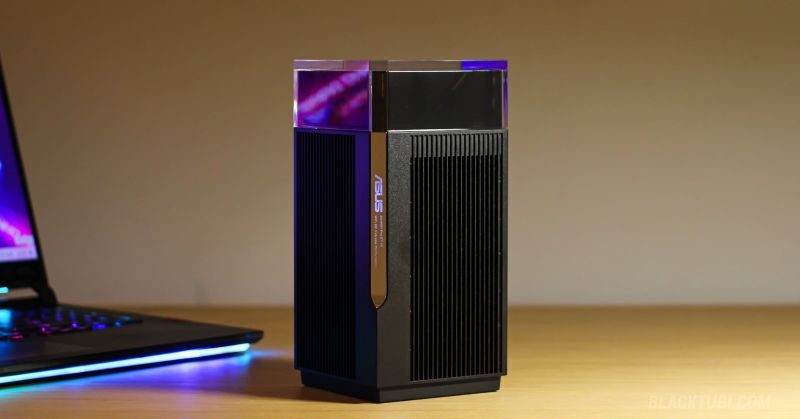
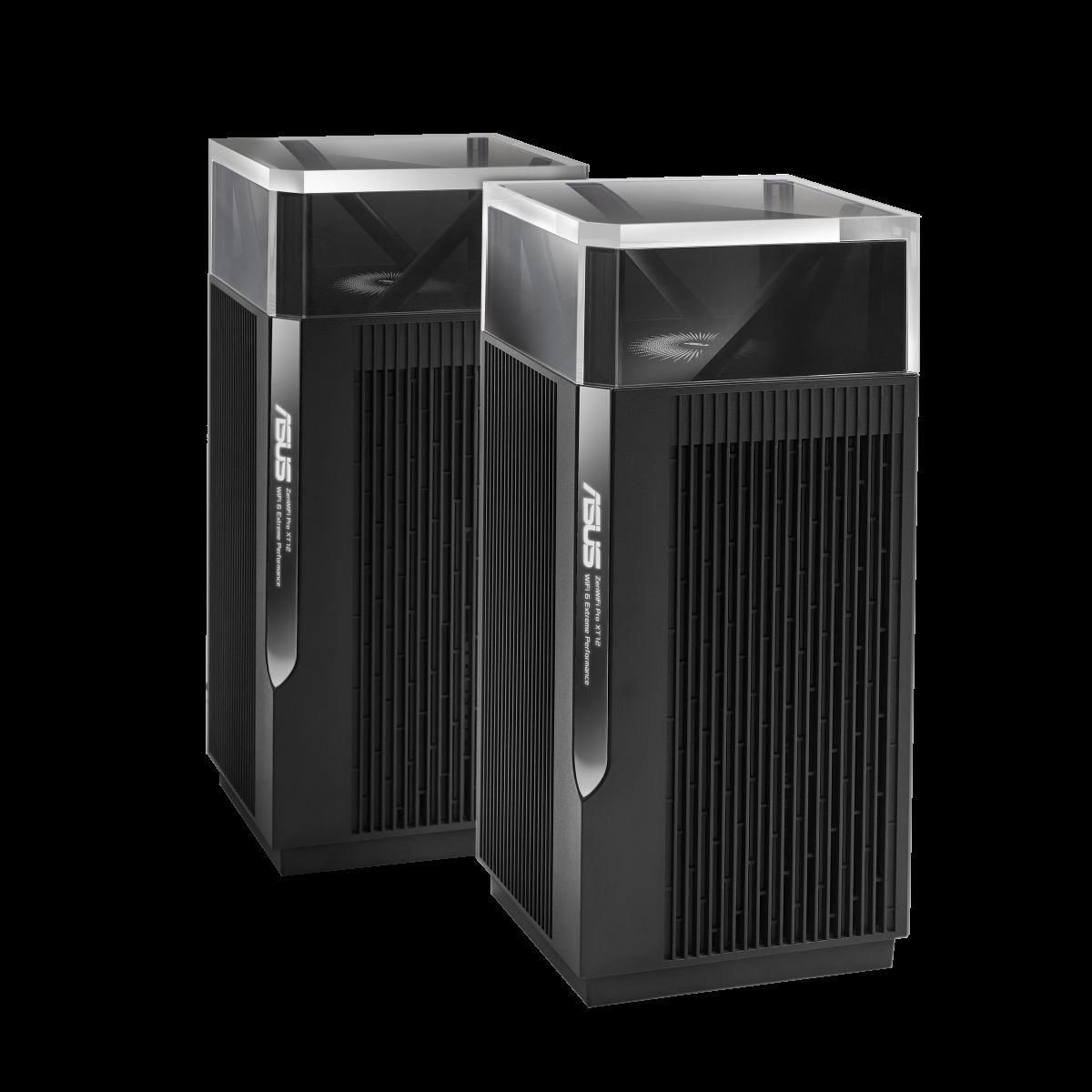
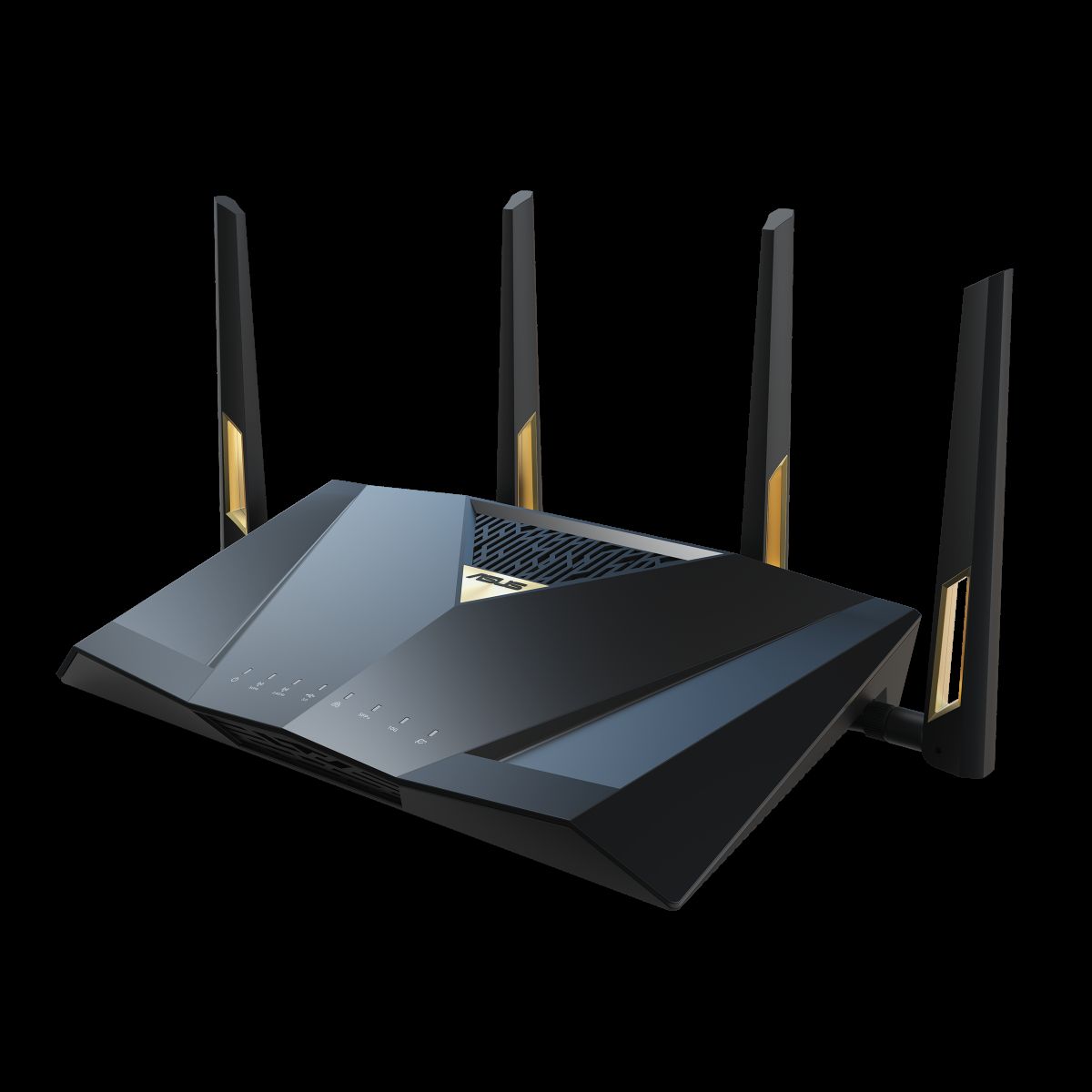
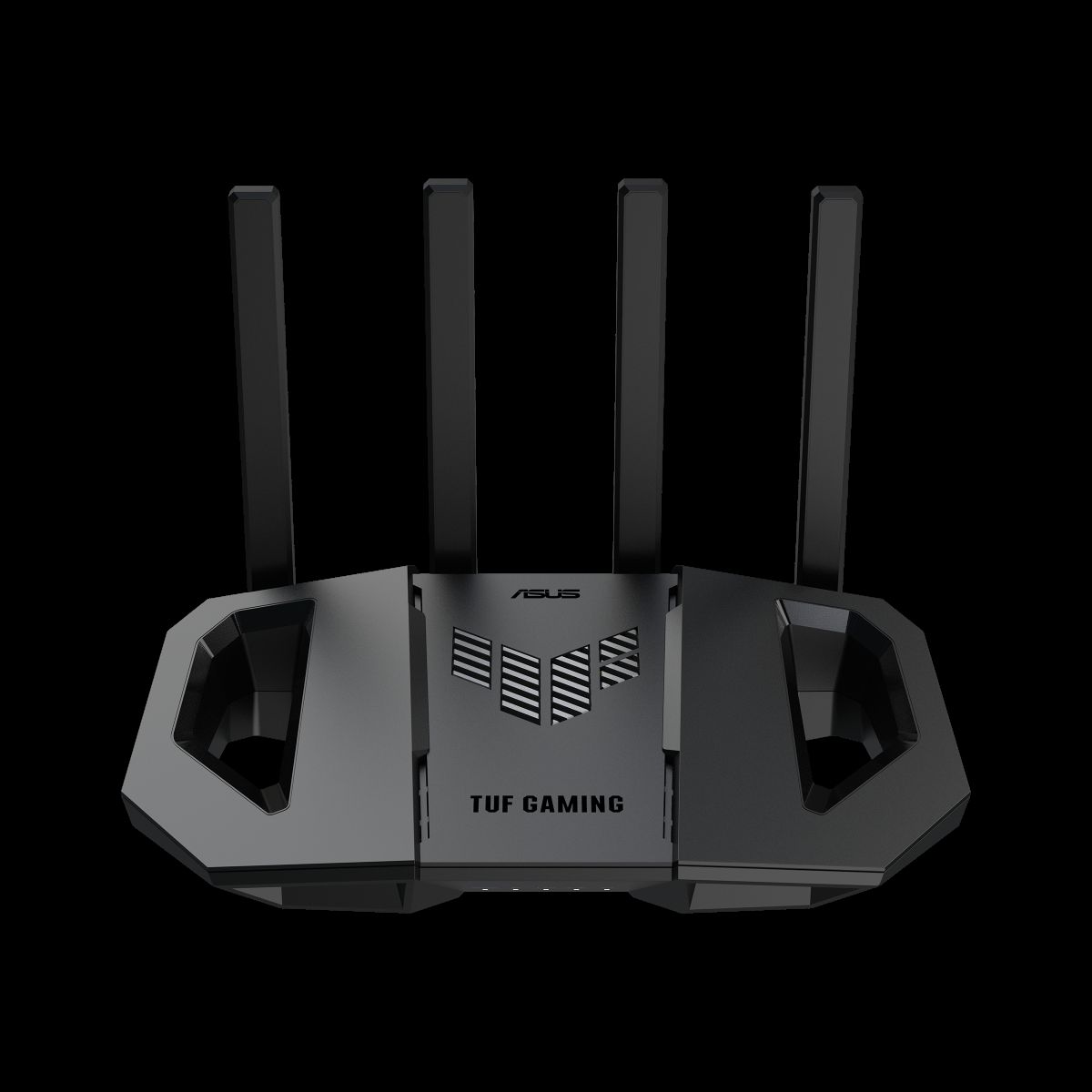
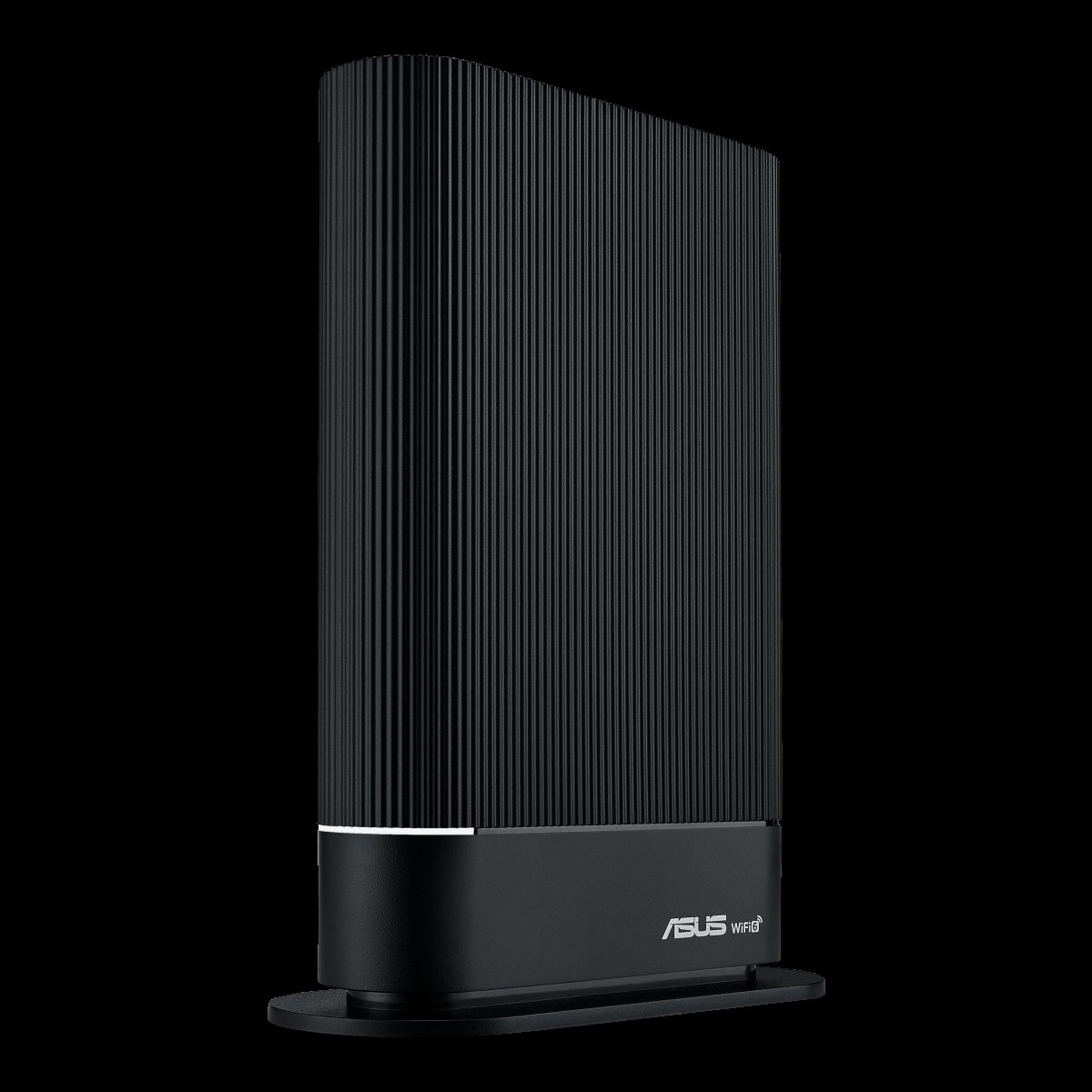
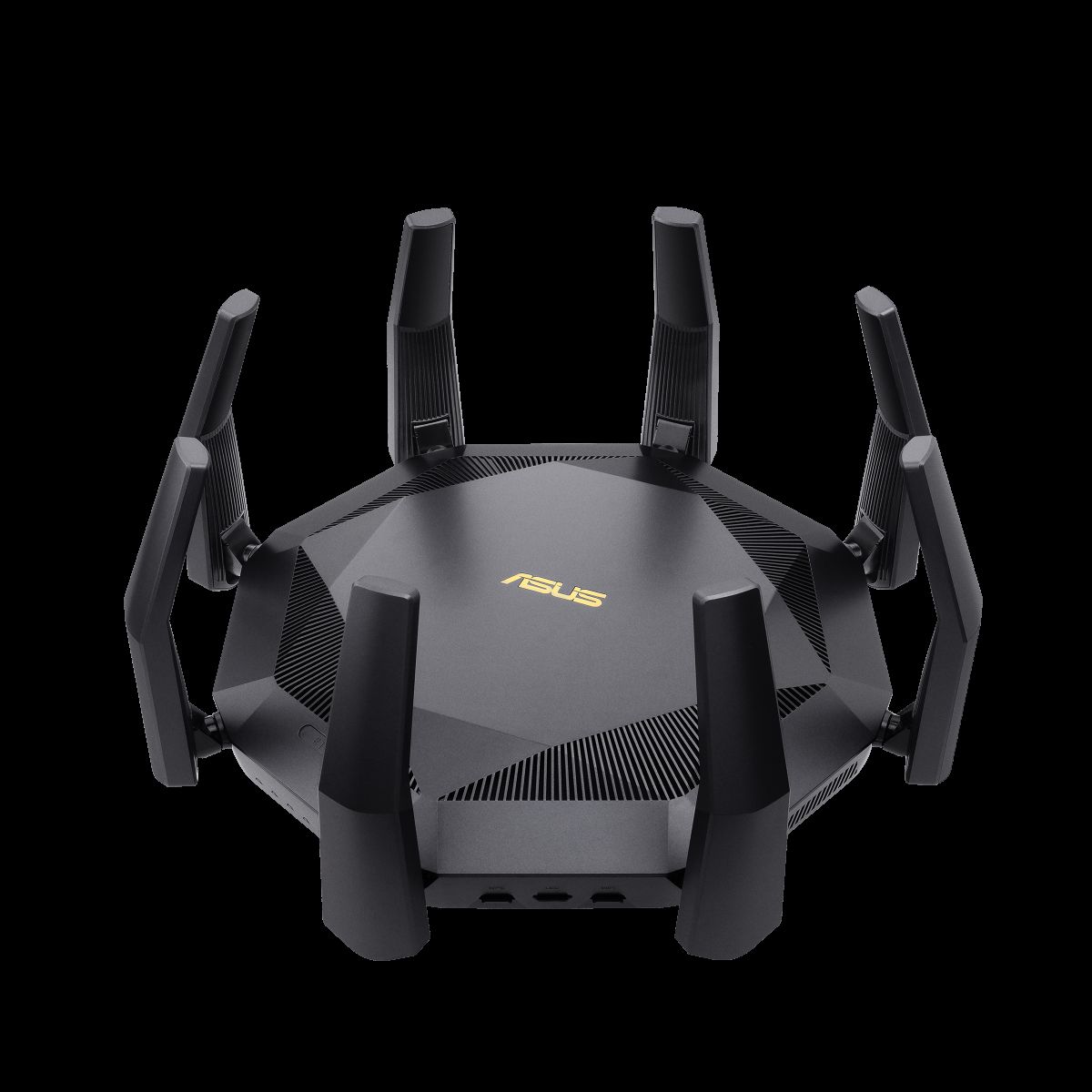
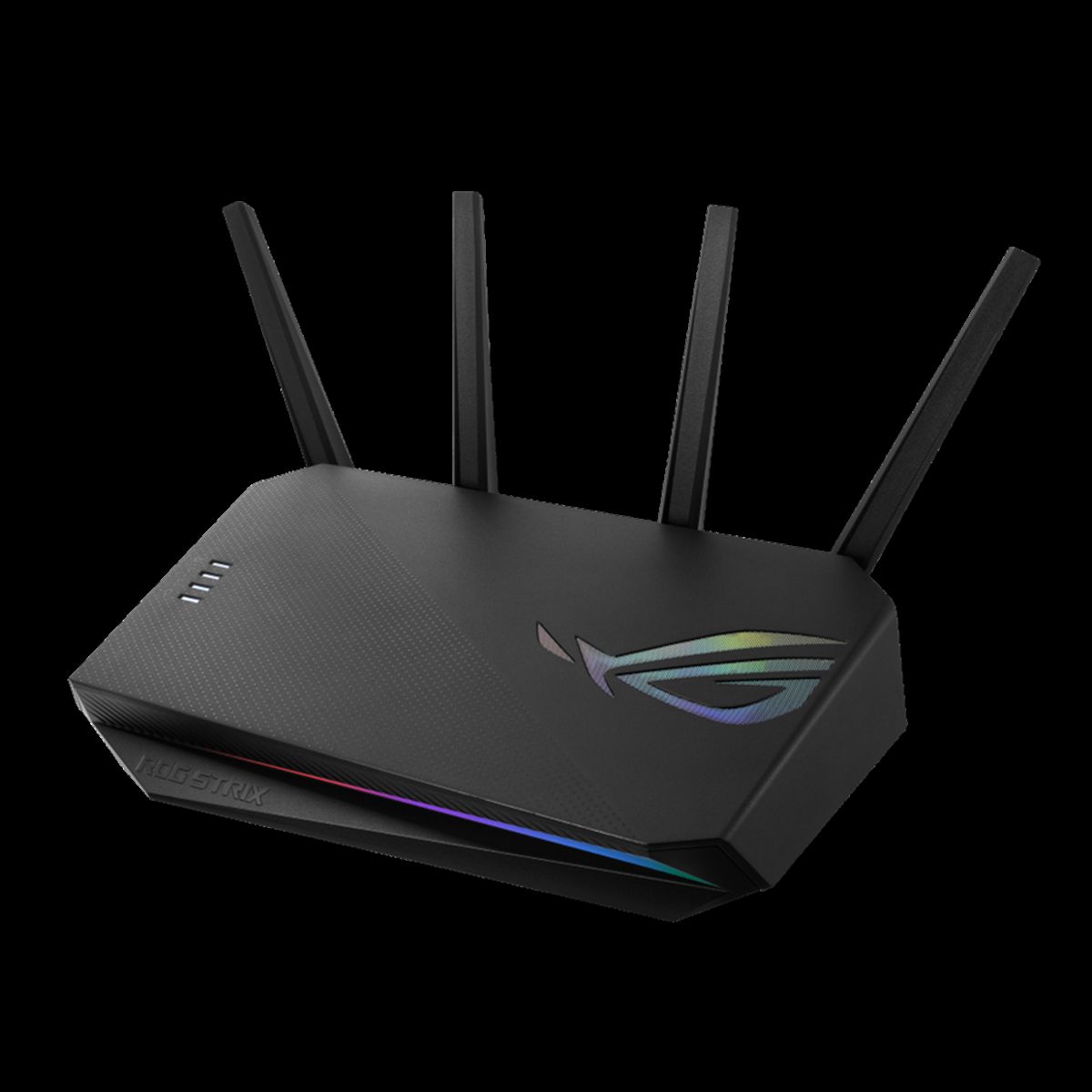
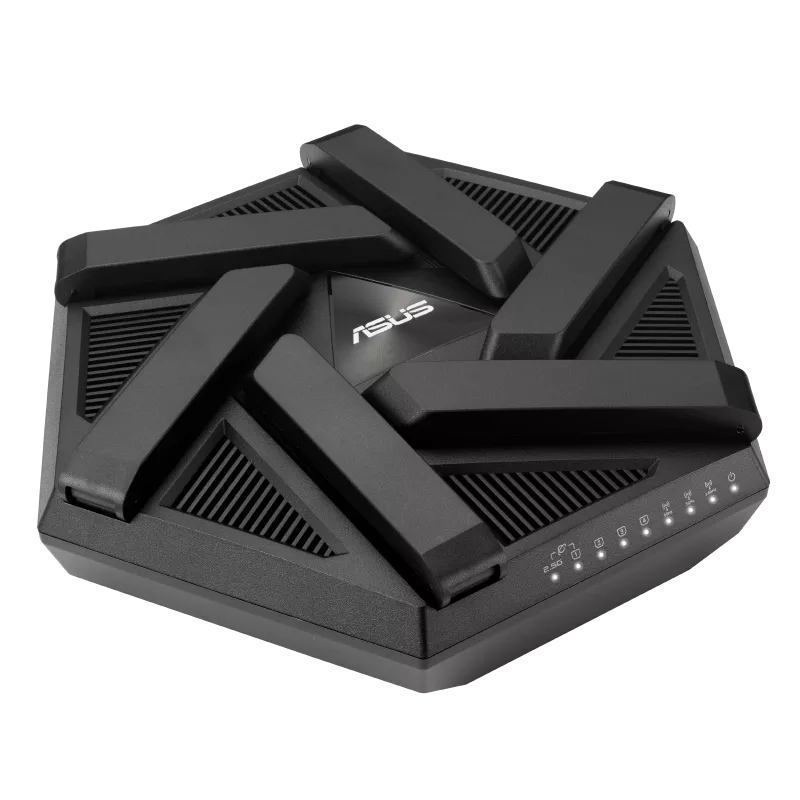
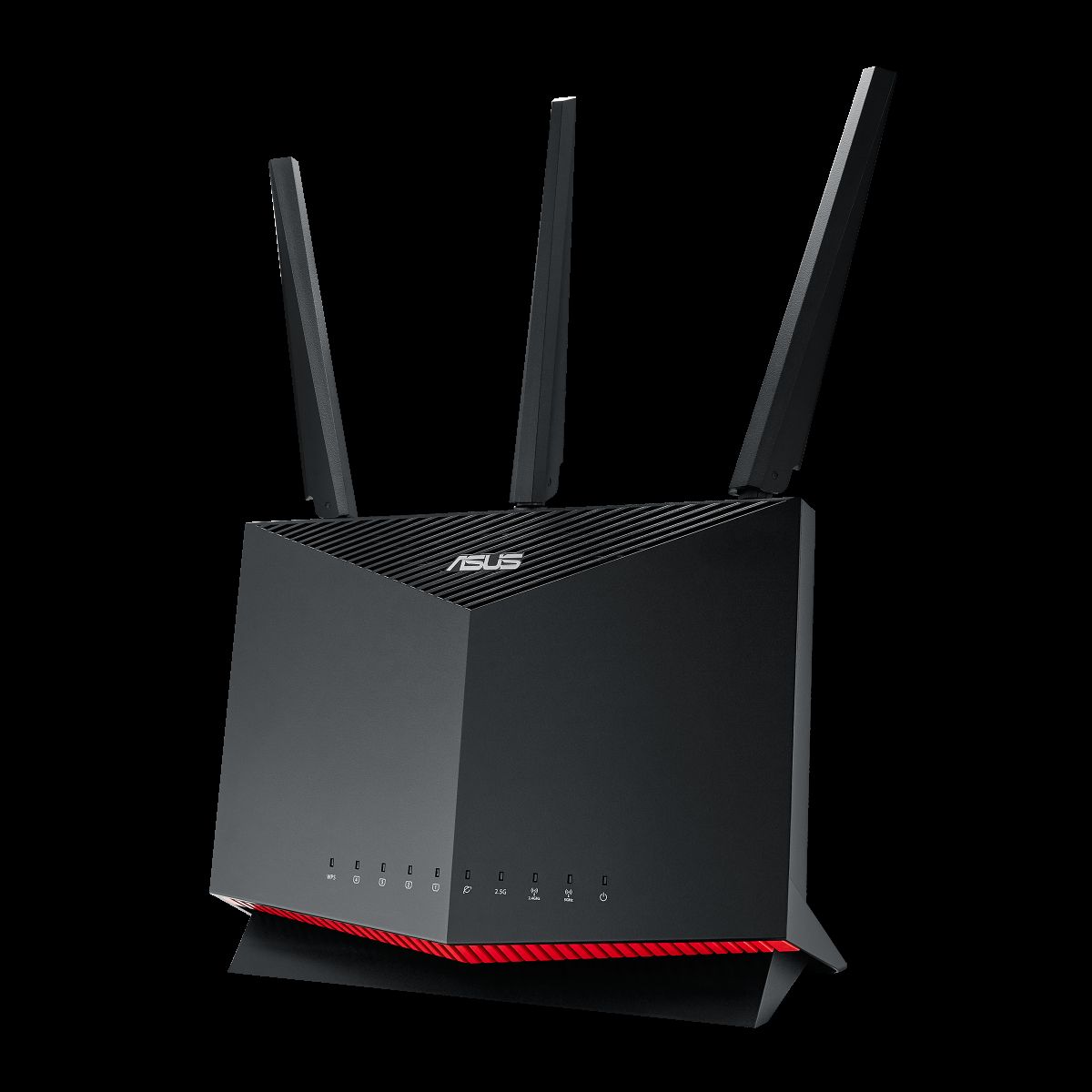
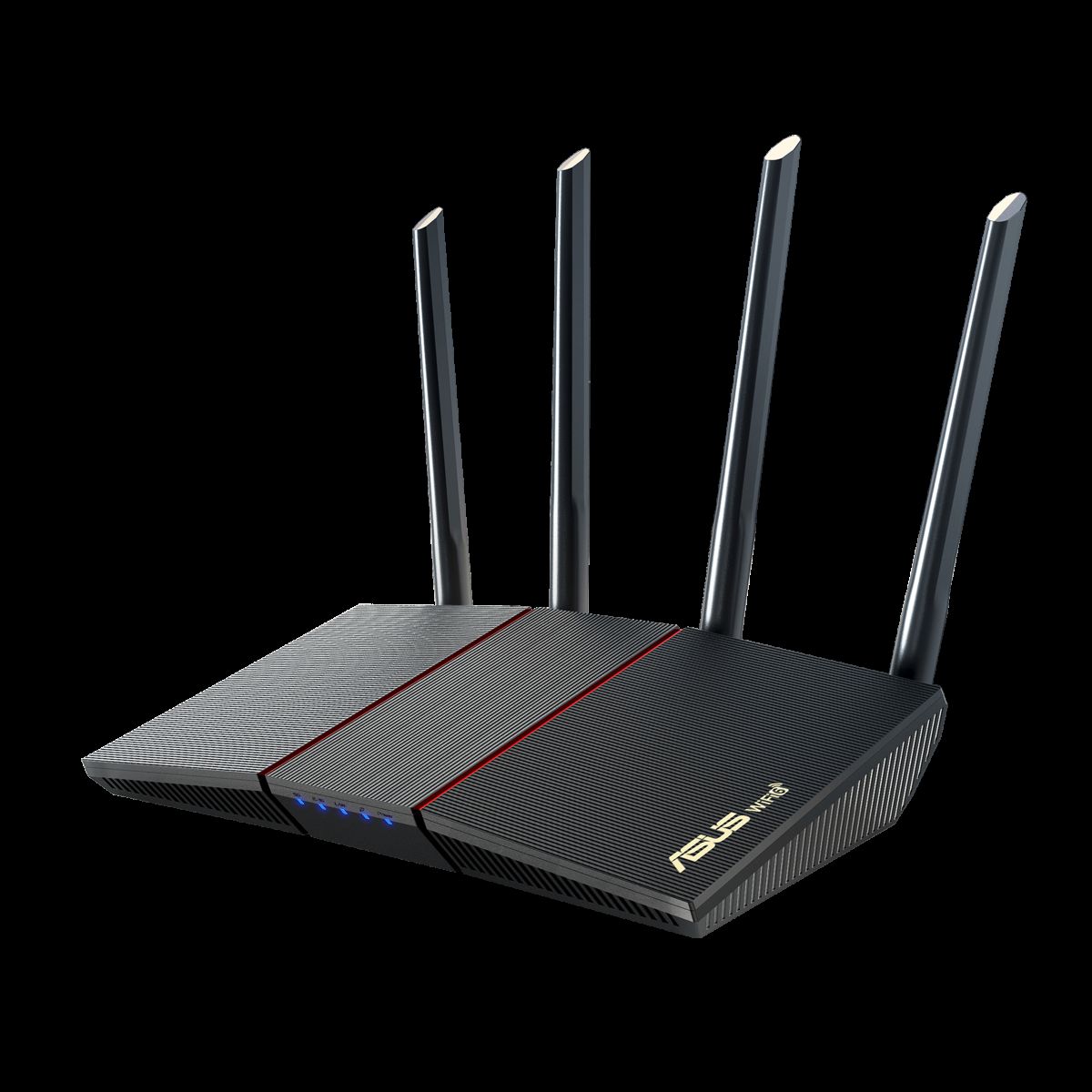
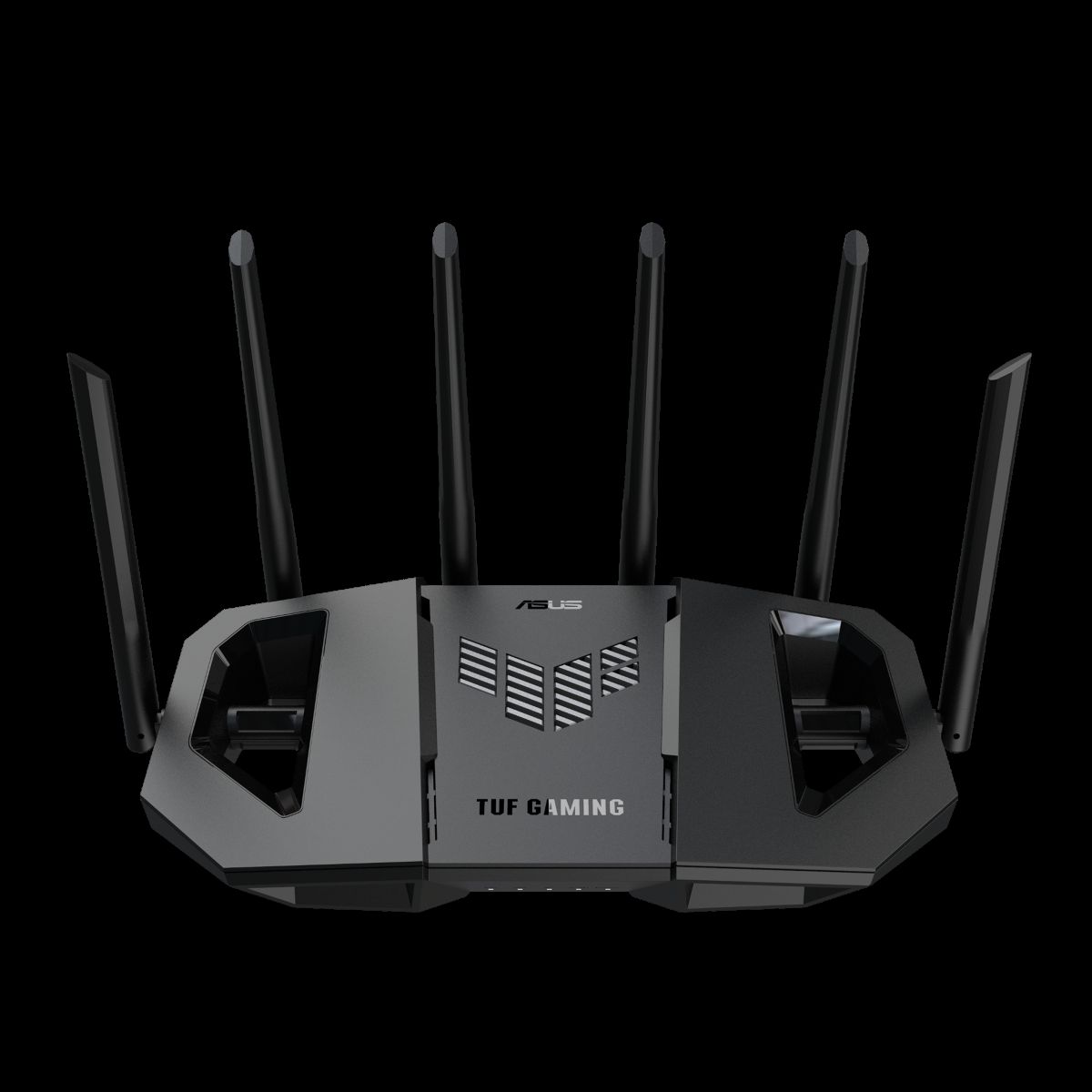
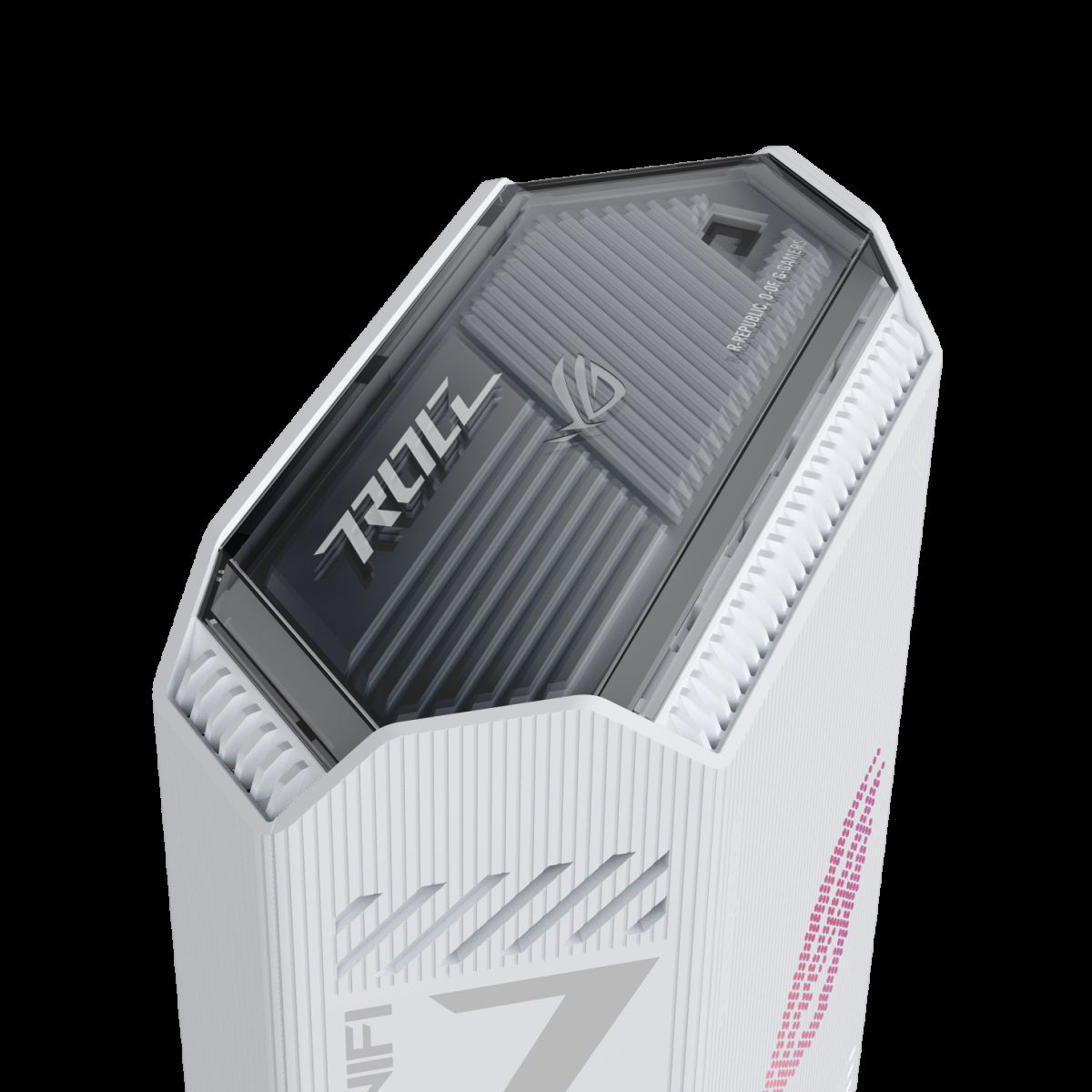
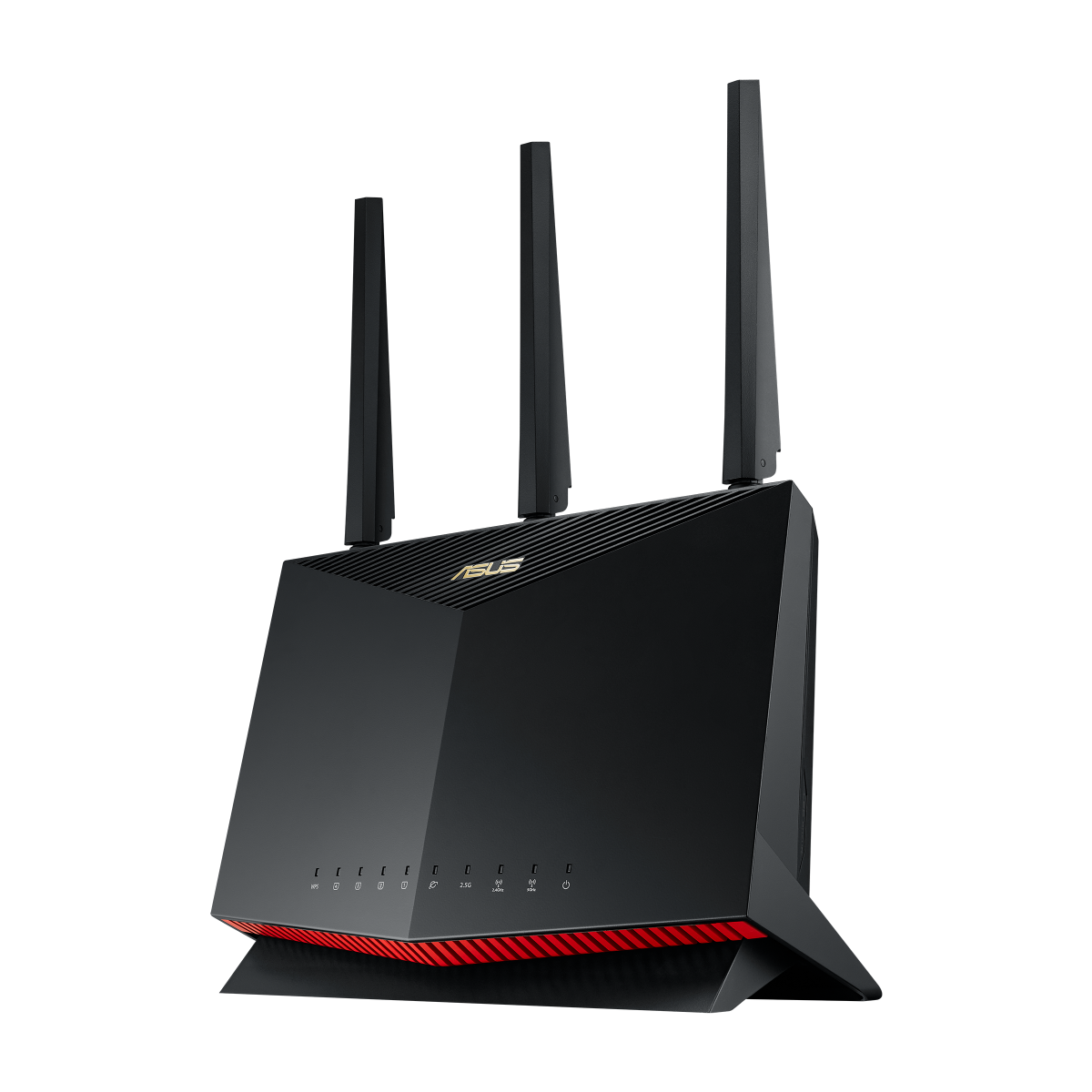
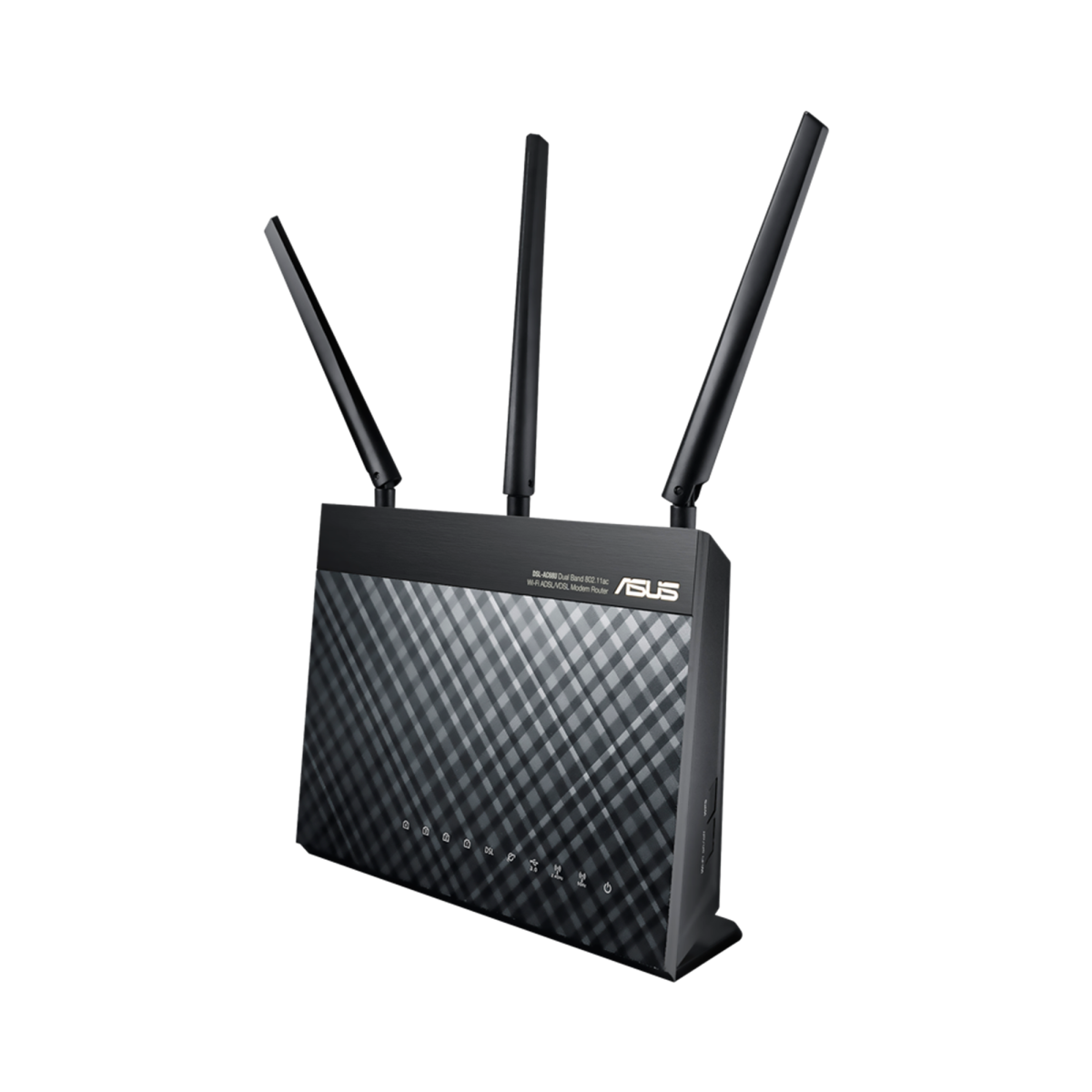
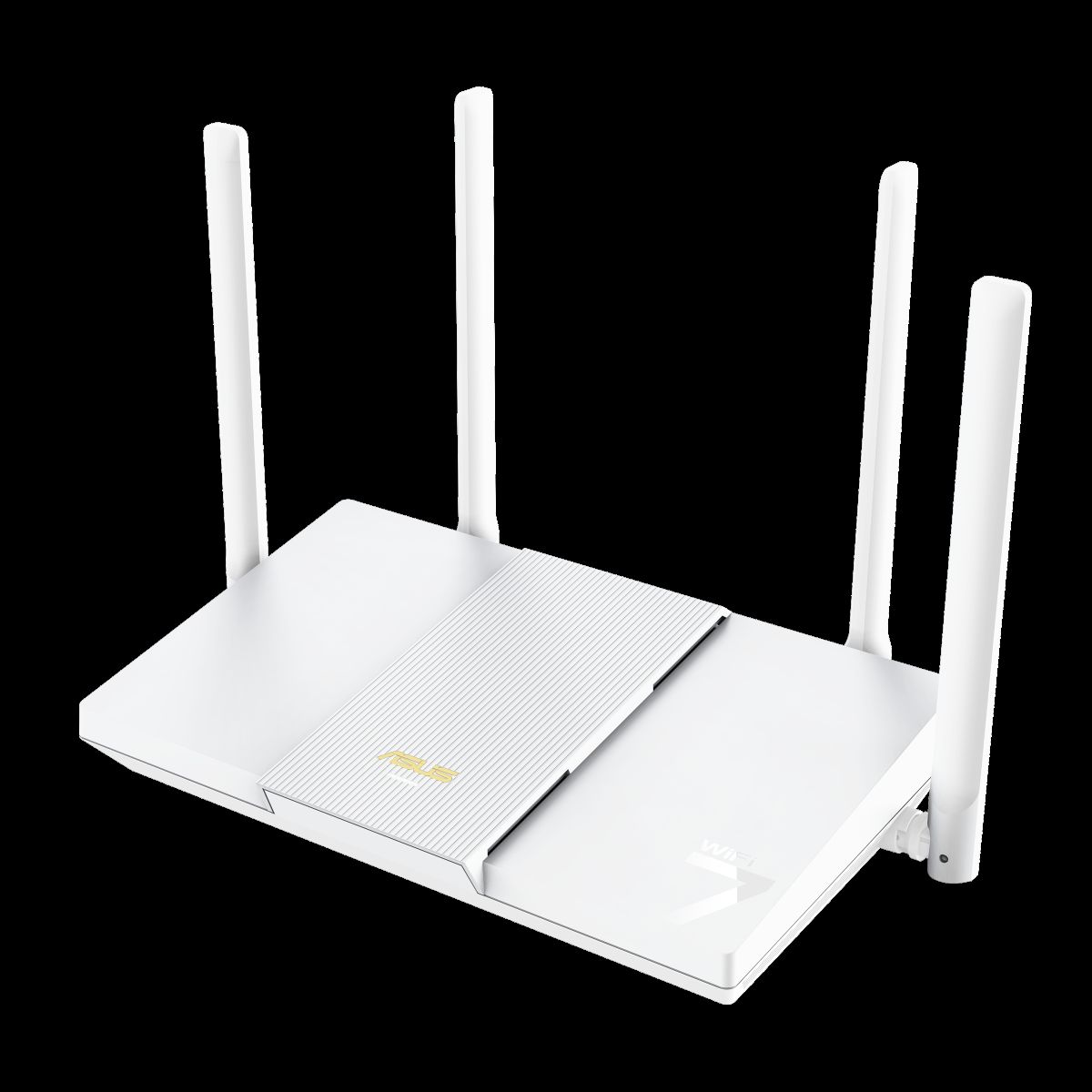
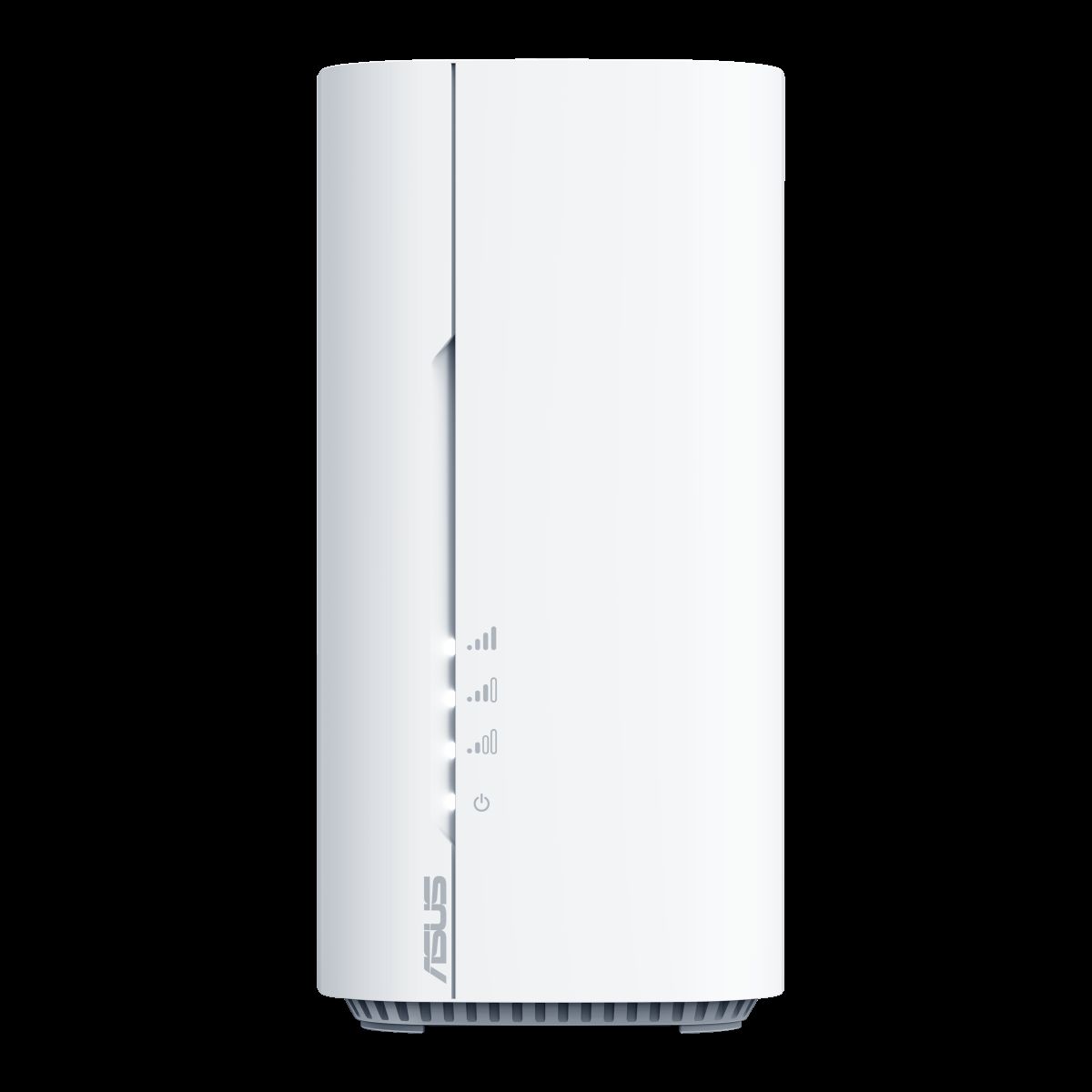
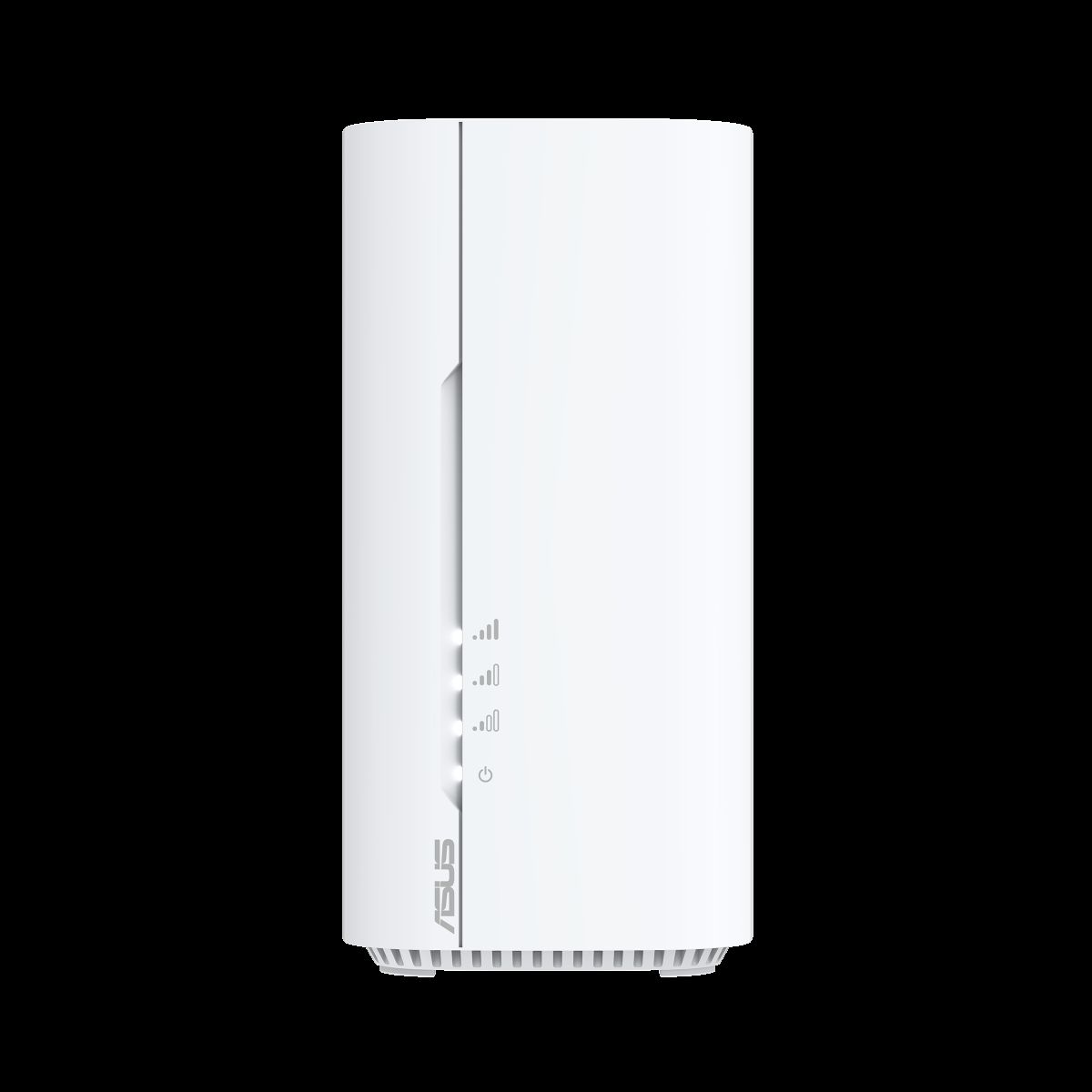
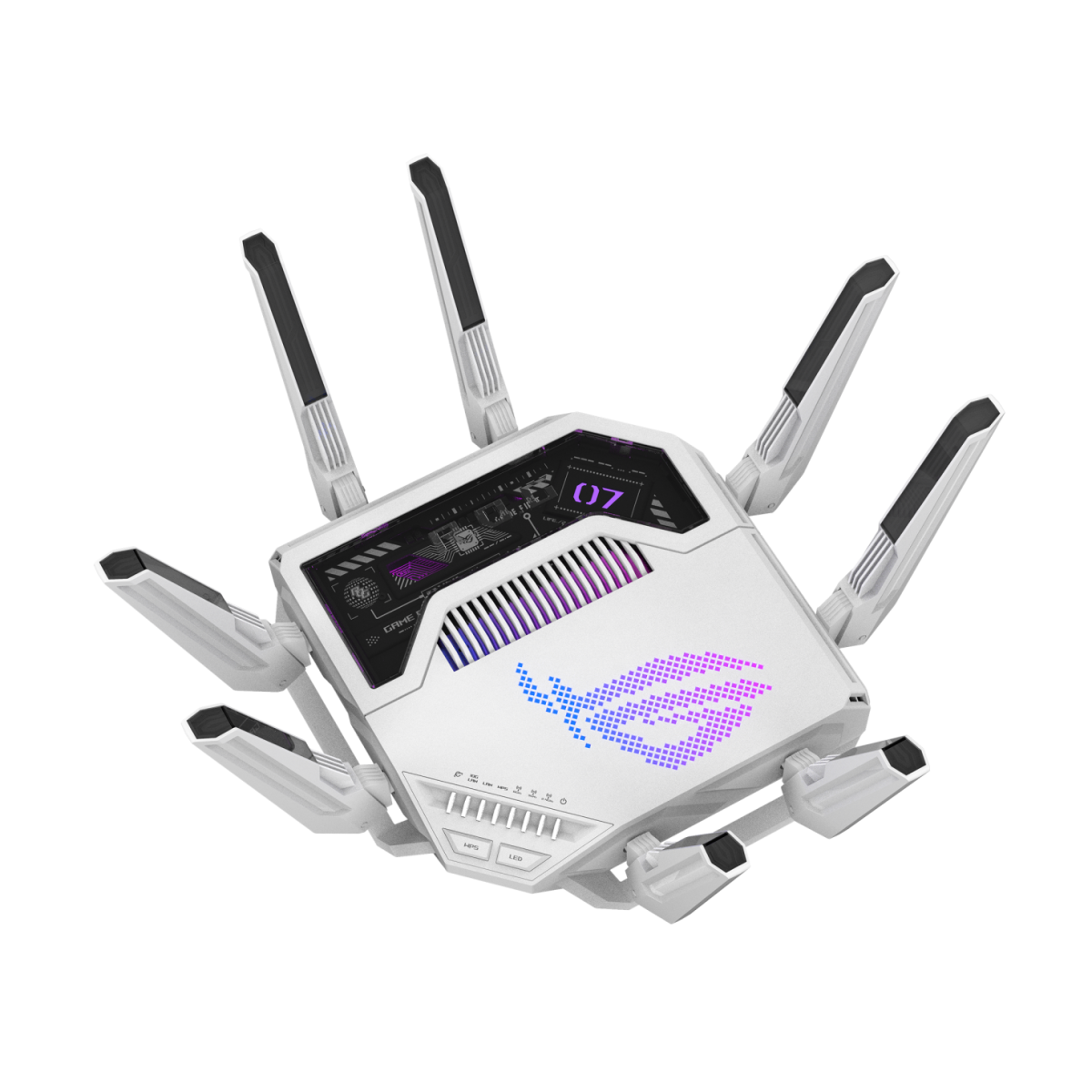
Las Vegas, NV — ASUS Republic of Gamers (ROG) has once again leveraged the Consumer Electronics Show (CES) 2026 spotlight to redefine high-performance networking, introducing the staggering ROG NEOCore Wi-Fi 8 router. This isn't merely an incremental update; the NEOCore represents a fundamental architectural shift aimed squarely at eliminating latency, a move that will likely send competitors scrambling to catch up to the bleeding edge of the IEEE 802.11be standard.
The backbone of the NEOCore’s aggressive performance metrics is its implementation of the nascent Wi-Fi 8 standard, pushing theoretical aggregate throughput well past the 30 Gbps barrier. Network engineers at ASUS have equipped this behemoth with an advanced quad-band configuration, leveraging the previously underutilized 6 GHz spectrum with enhanced multi-link operation (MLO) capabilities. This technology allows simultaneous data transmission across multiple frequency bands, ensuring that high-demand activities, whether competitive gaming or 8K streaming, bypass traditional bottlenecks entirely.
The Core of Latency Elimination
While raw speed is impressive, the true innovation lies in the 'NEOCore' processing unit. This dedicated communications engine utilizes sophisticated machine learning algorithms to dynamically analyze and prioritize traffic down to the packet level. Unlike standard Quality of Service (QoS) found in typical consumer routers, the NEOCore actively predicts congestion and allocates resources for ultra-low latency paths, ensuring a consistent jitter-free experience crucial for professional esports athletes and demanding power users.
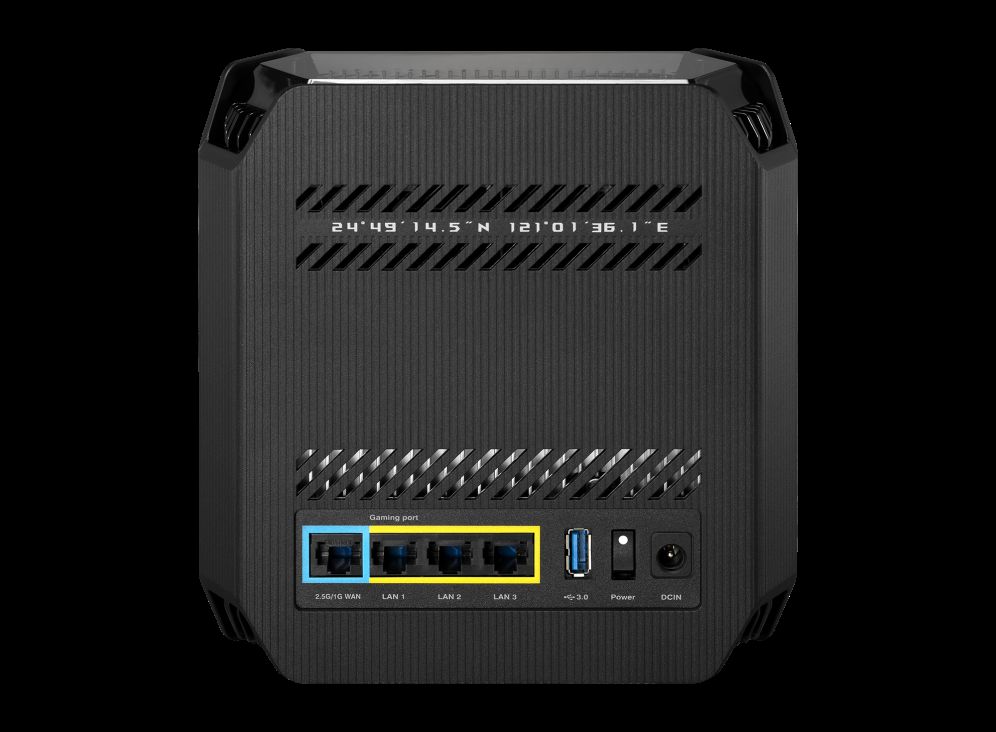
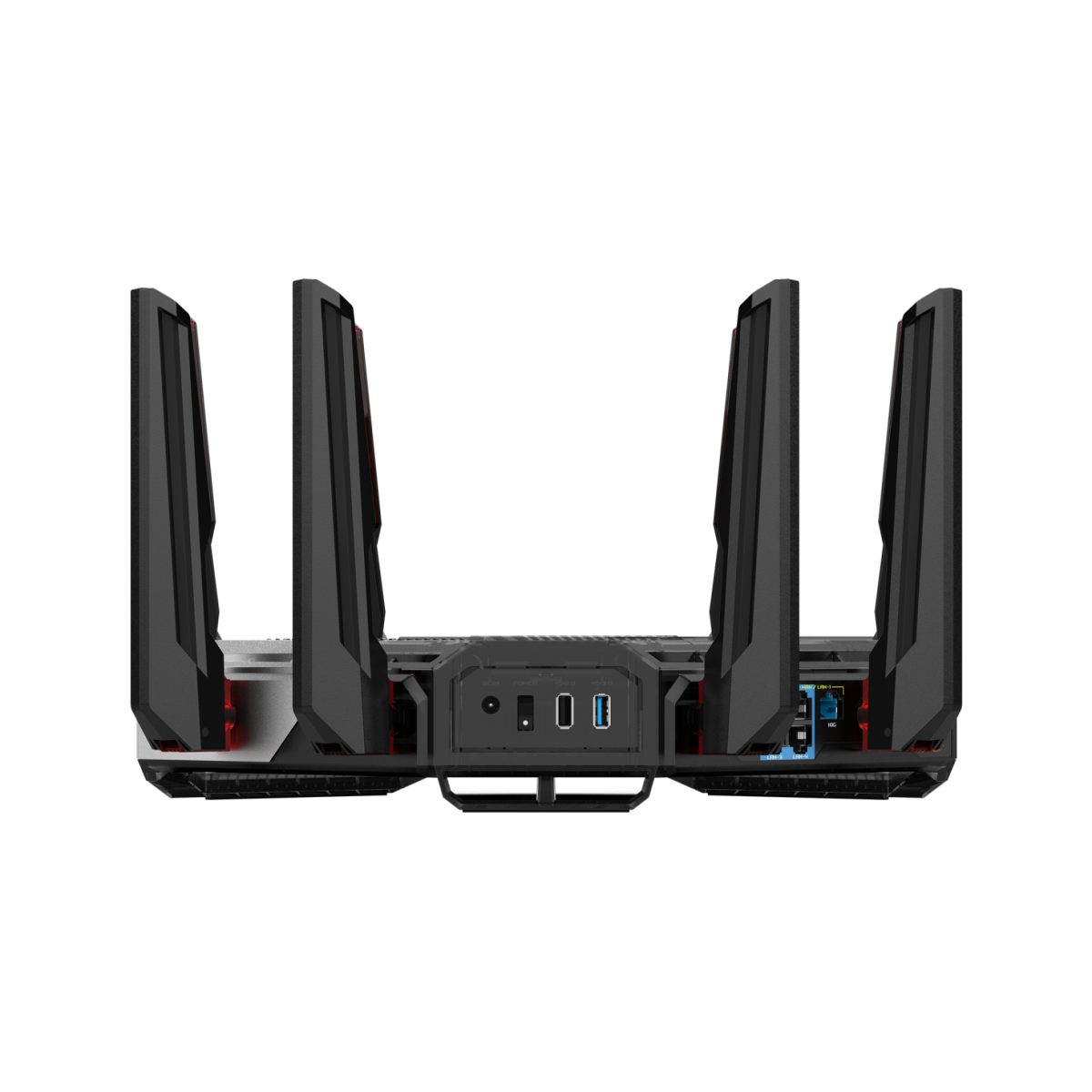
Beyond its internal processing power, the physical hardware is appropriately robust. The NEOCore features multiple 10 Gigabit Ethernet WAN/LAN ports, providing necessary infrastructure for multi-gigabit fiber connections and high-speed local network attached storage (NAS). Furthermore, recognizing the heat generated by such intense processing, the unit boasts an aggressive, active cooling system—a staple of ROG engineering—ensuring thermal stability that is critical for maintaining peak Wi-Fi 8 performance during prolonged, high-load sessions.
The router is positioned firmly at the ultra-premium end of the market, signaling ASUS's commitment to dominating the high-end networking space much like they have dominated the gaming PC component industry. Analysts suggest the NEOCore won’t just be a success; it sets the technical benchmark that the rest of the communications hardware industry will spend the next two years attempting to reverse engineer and integrate into their own next-generation offerings.