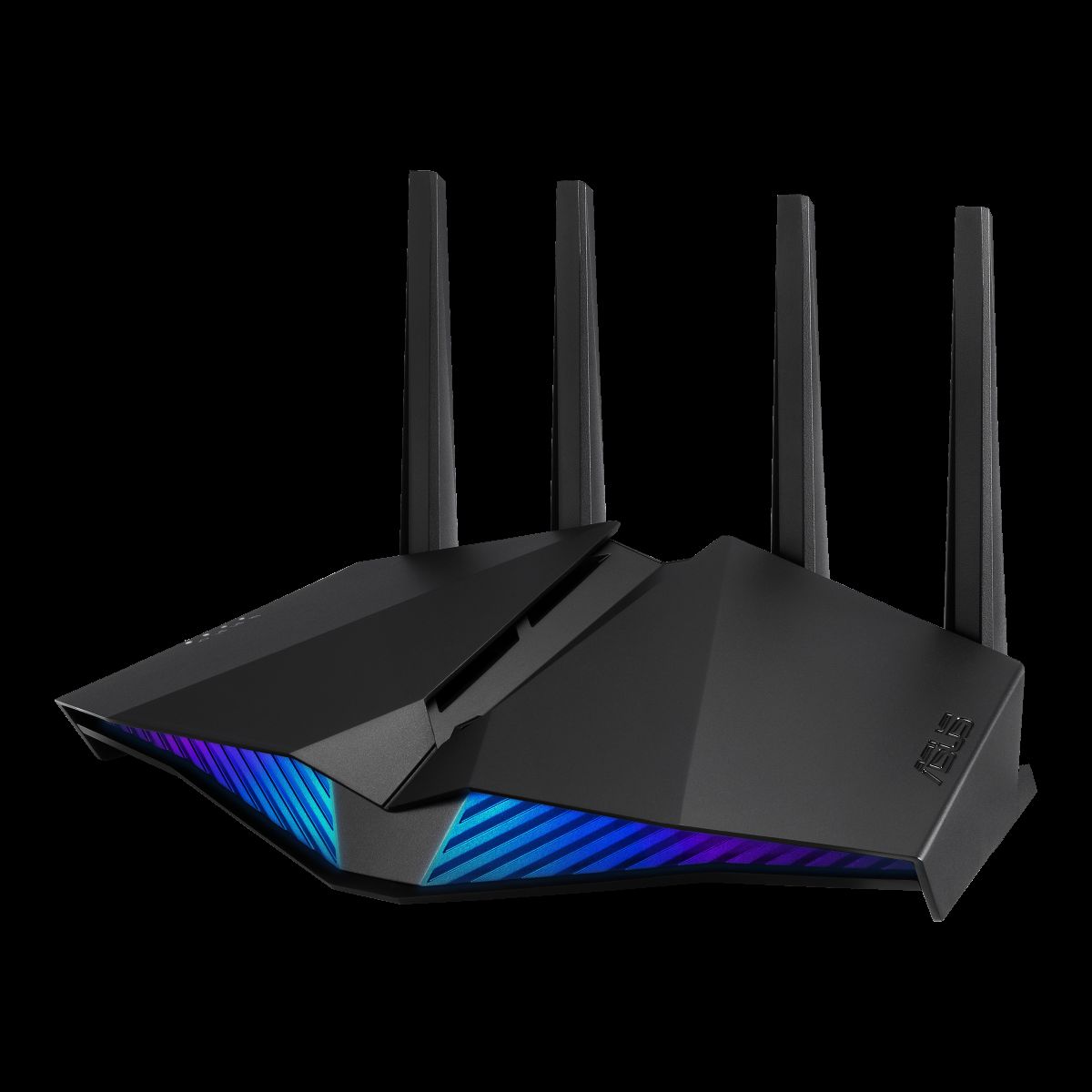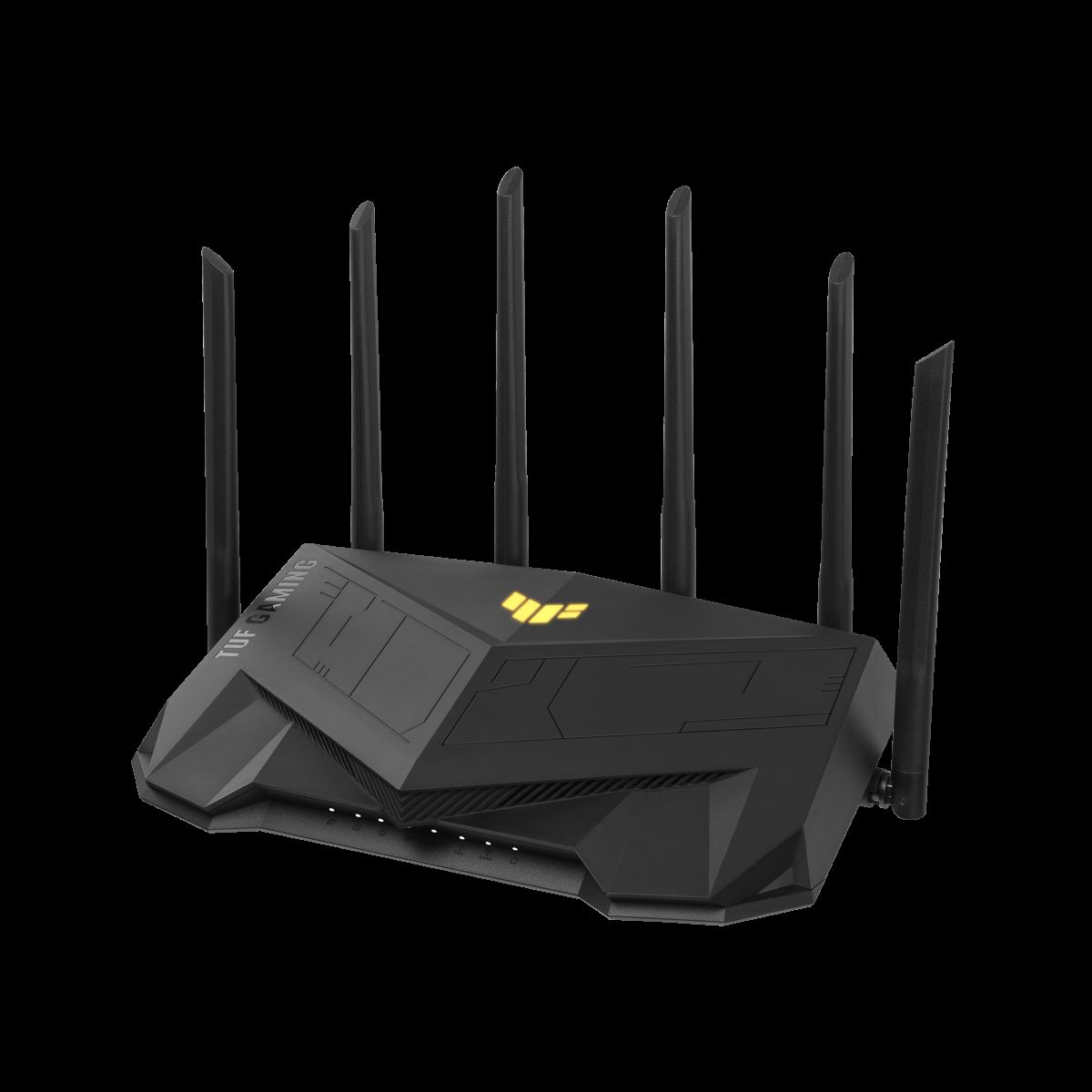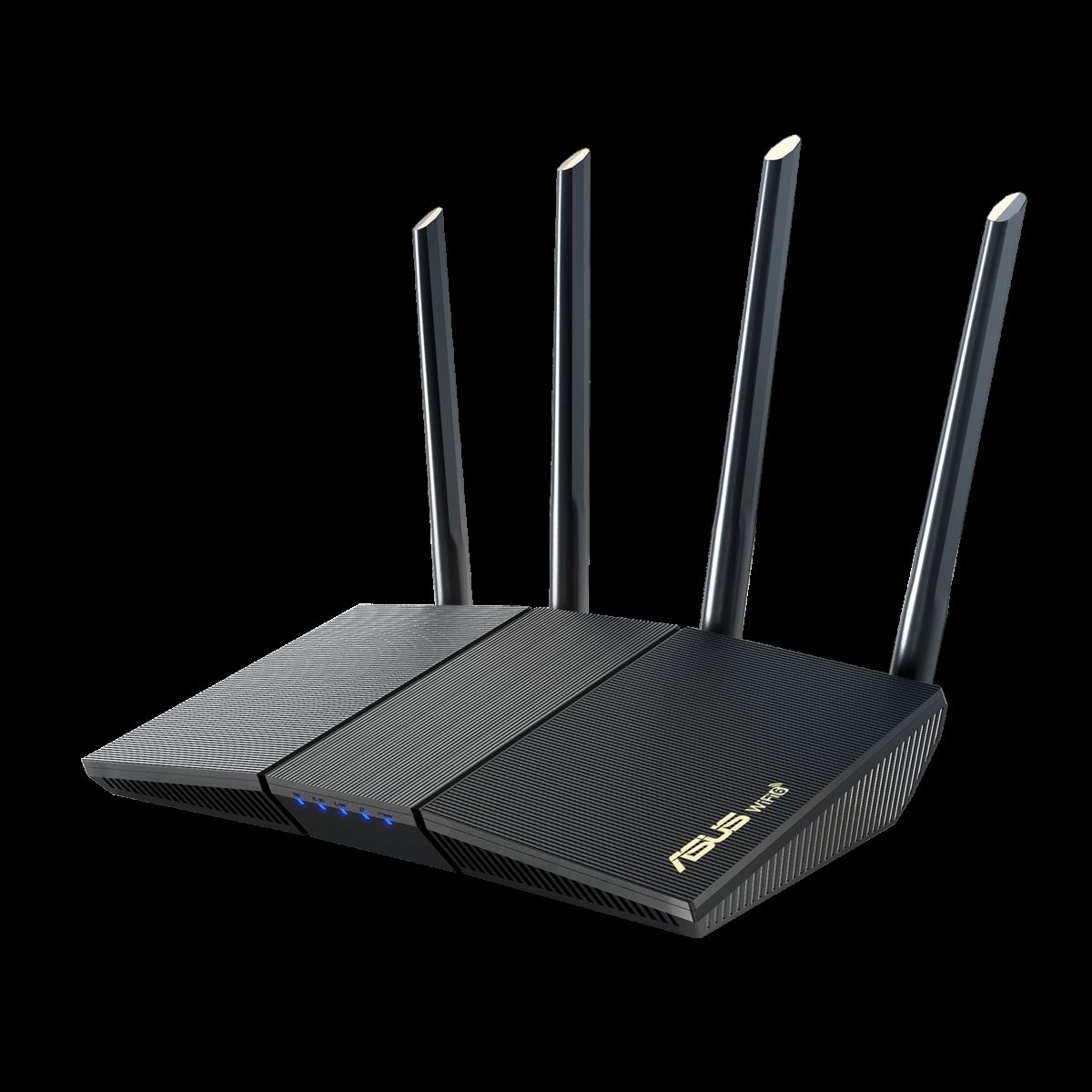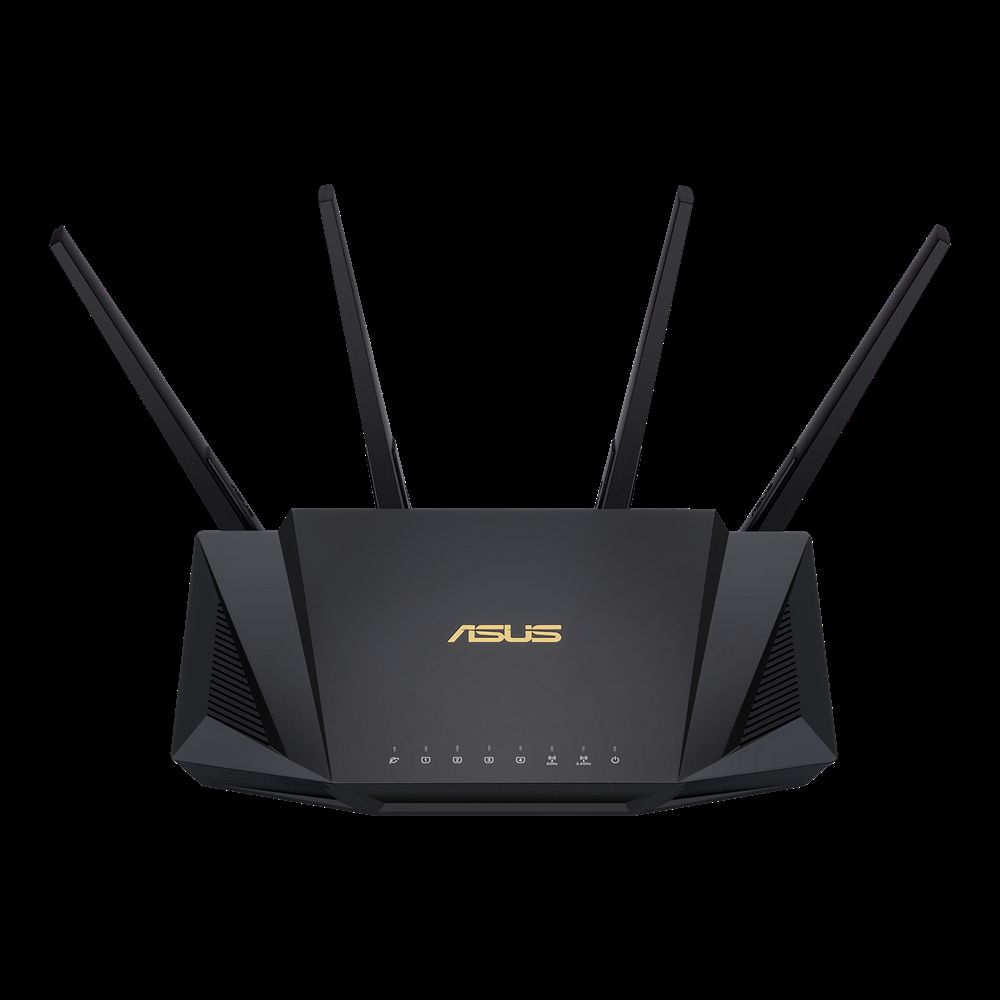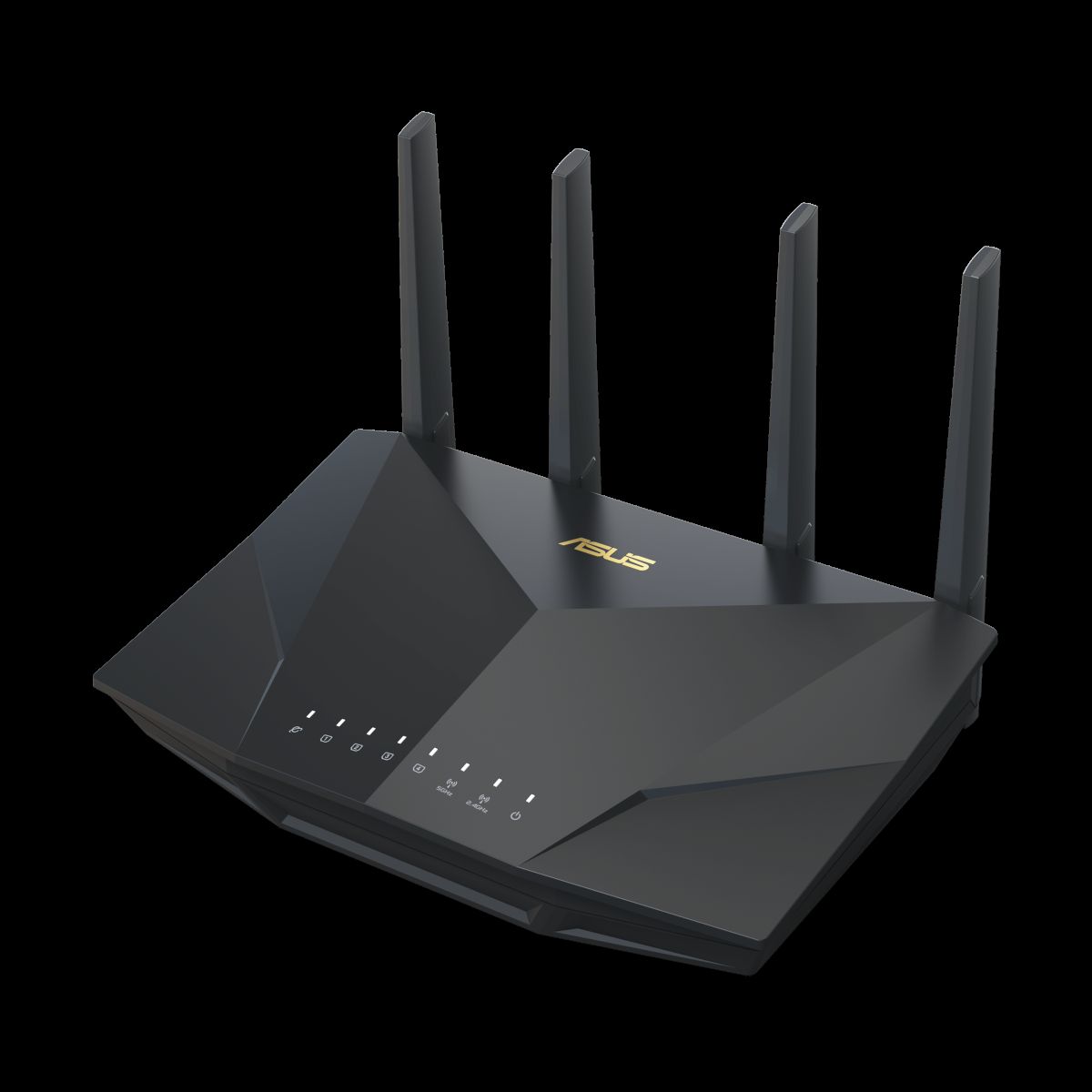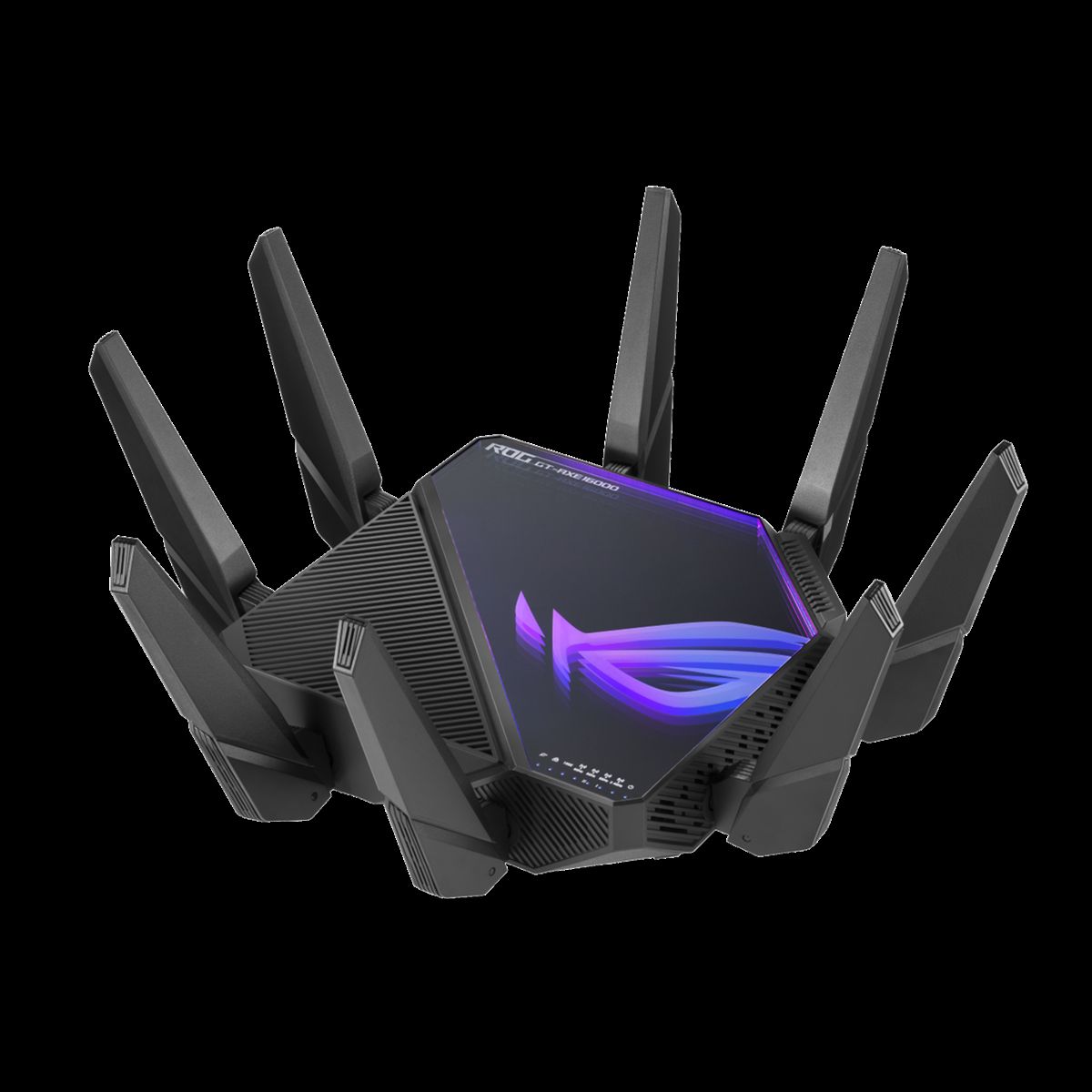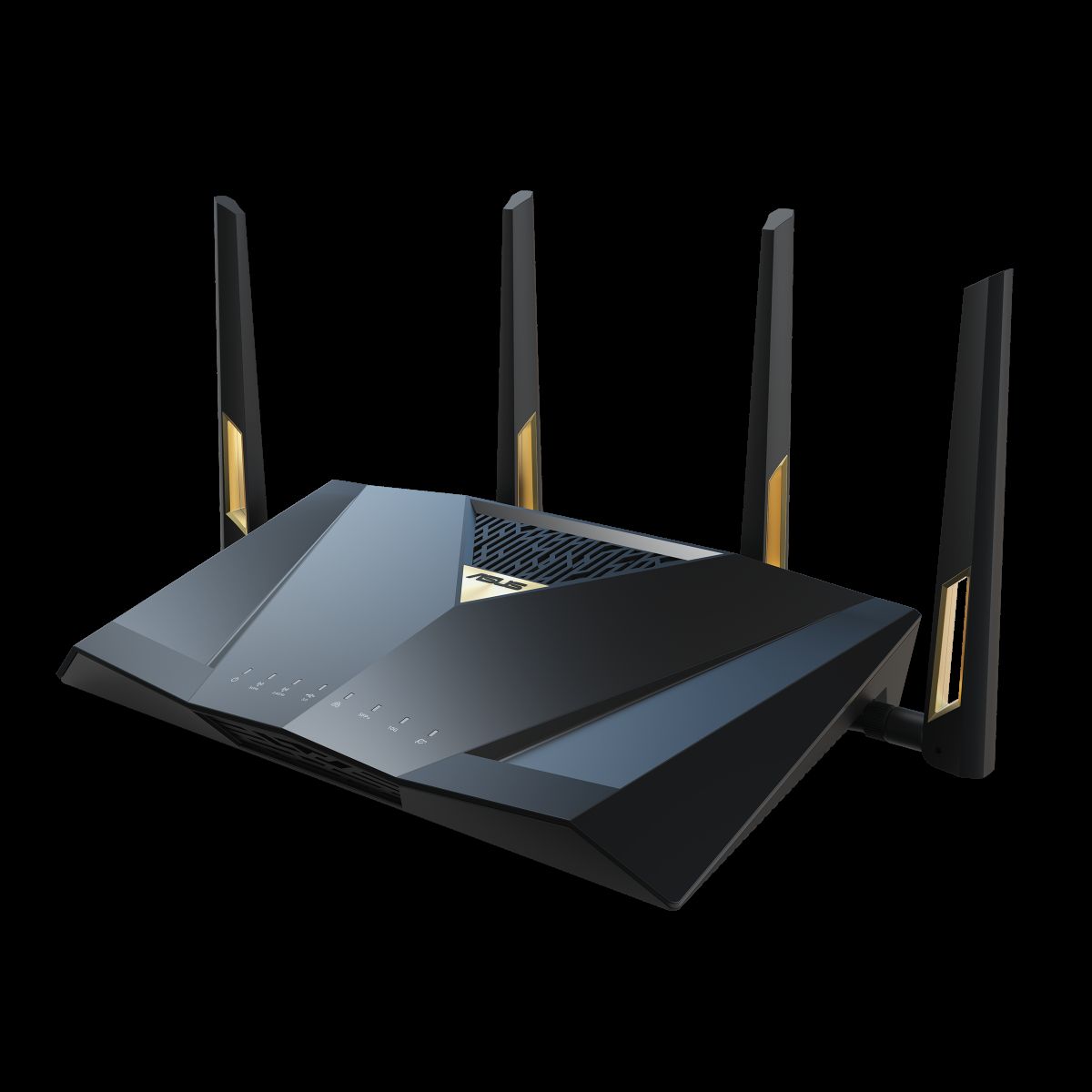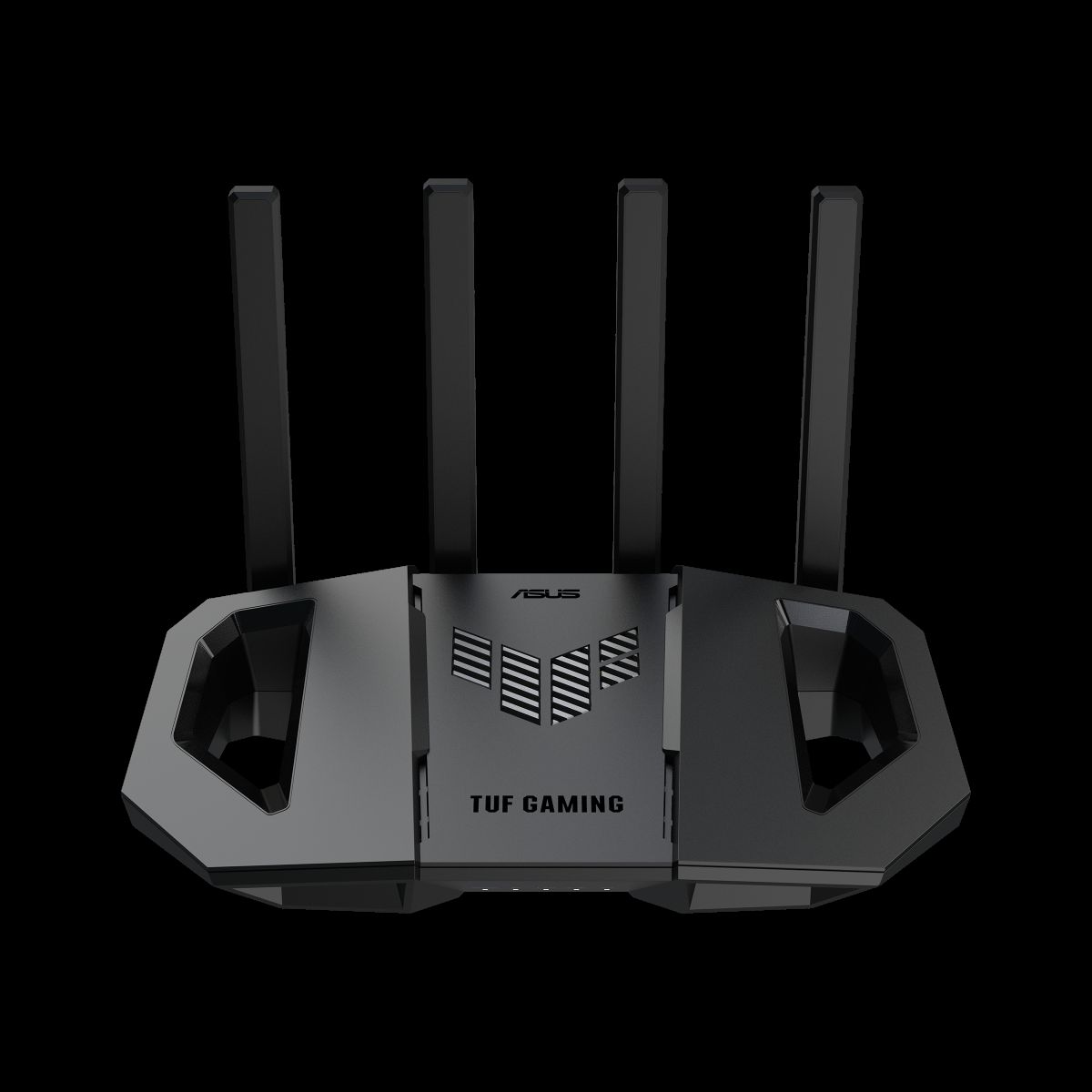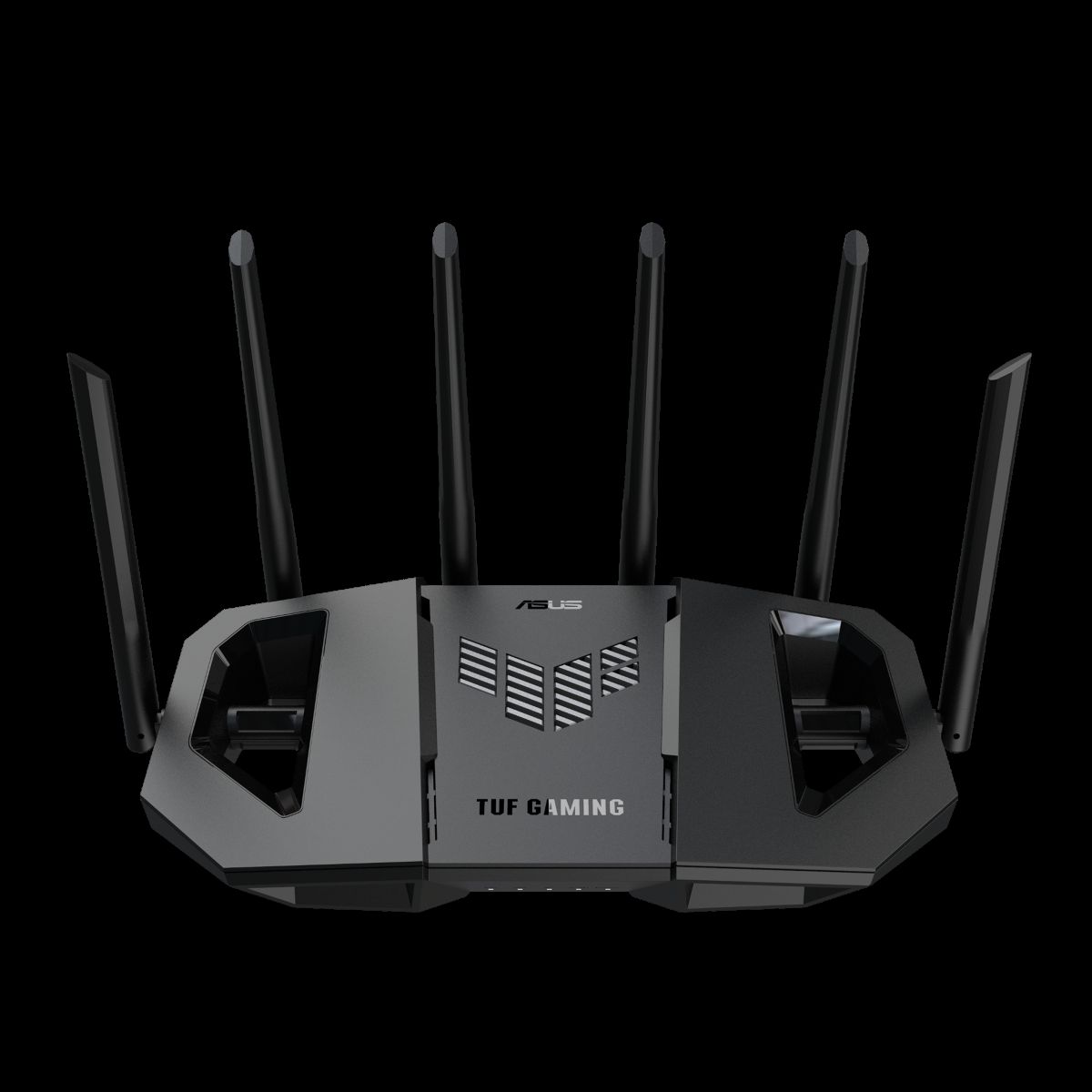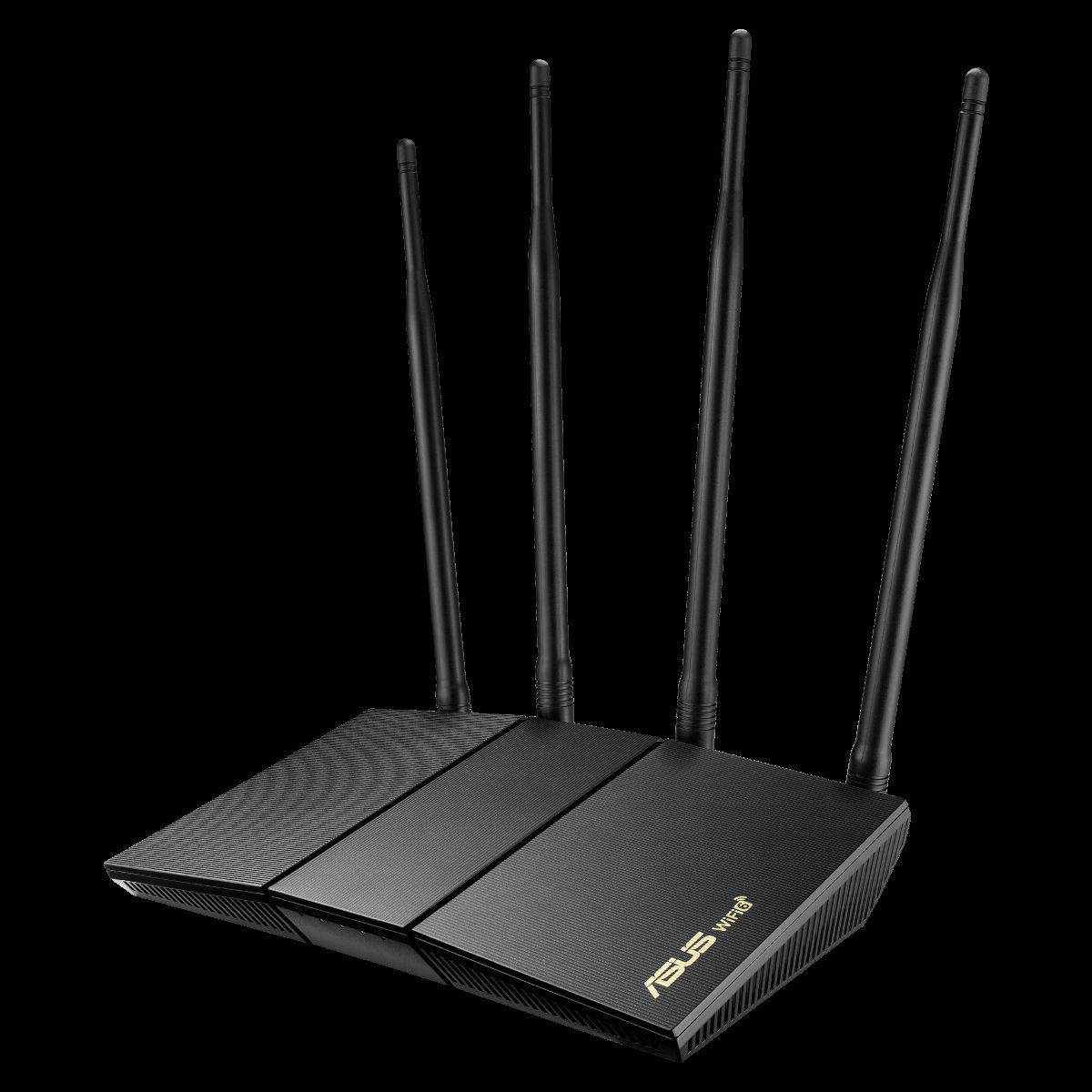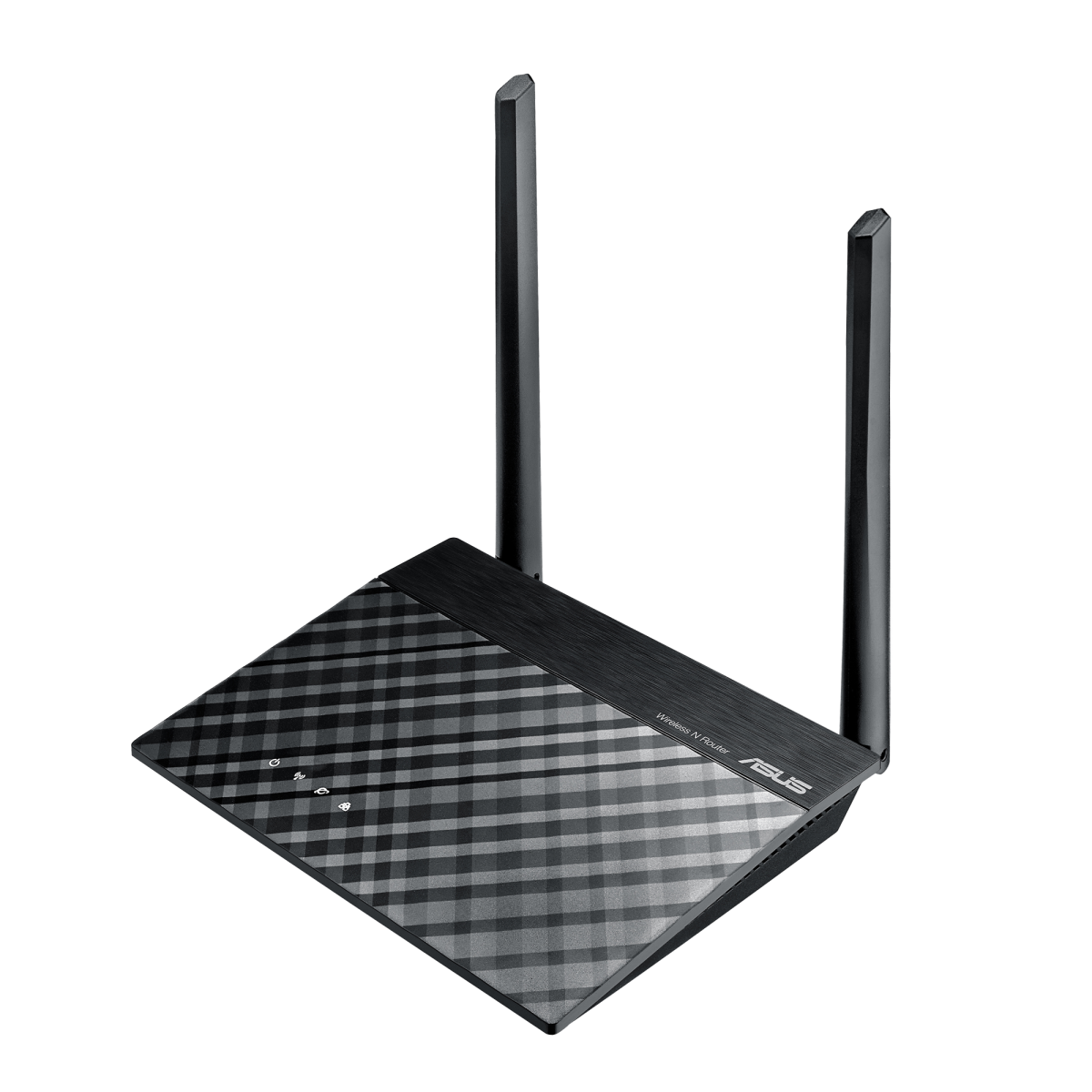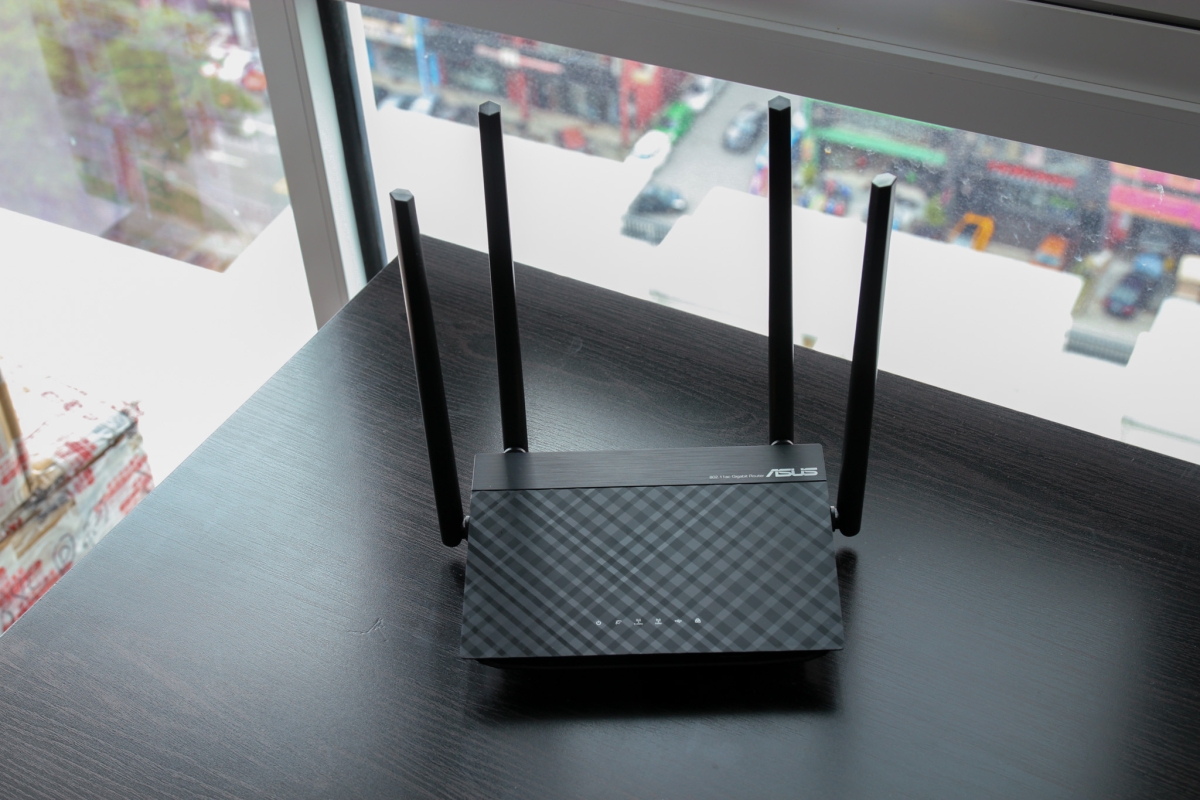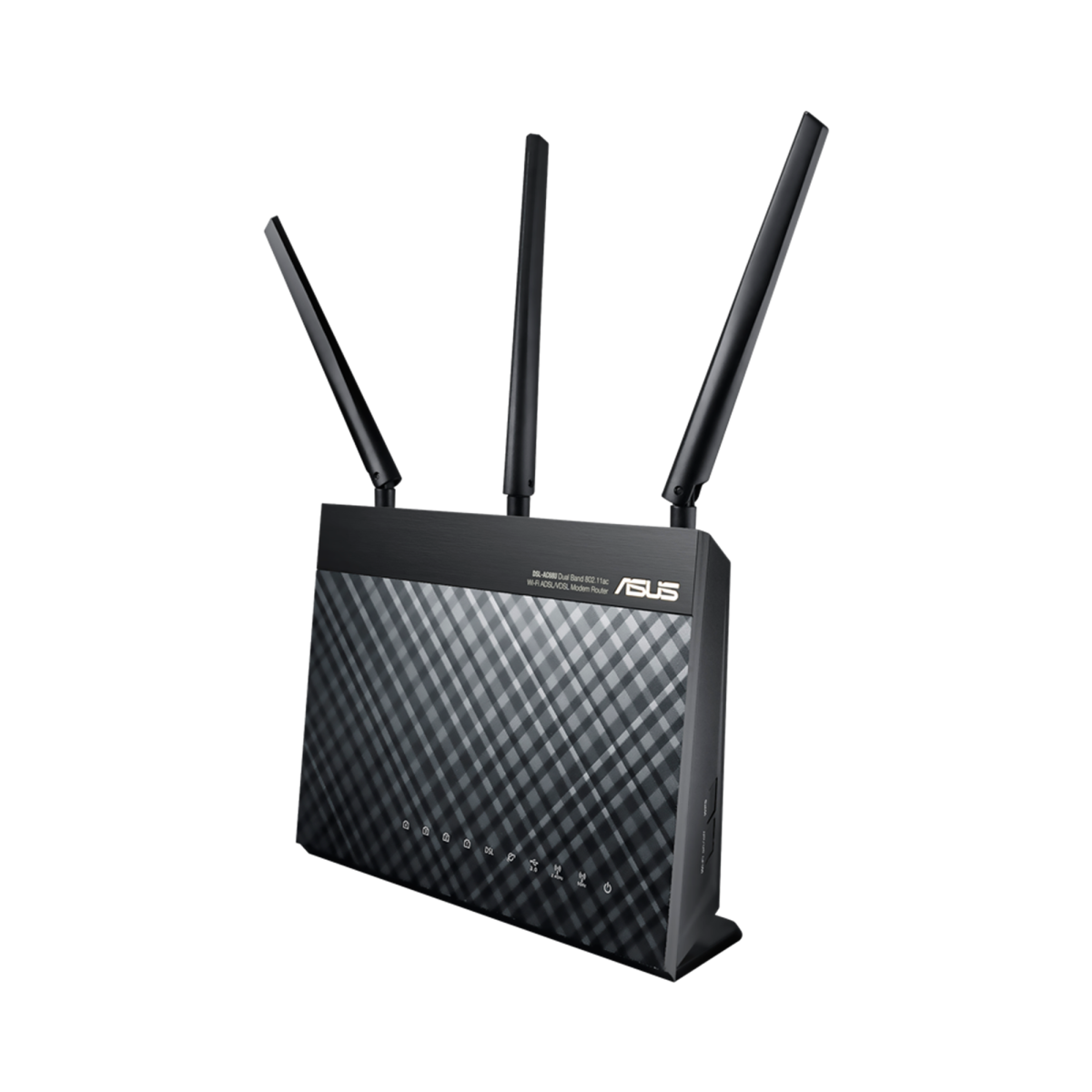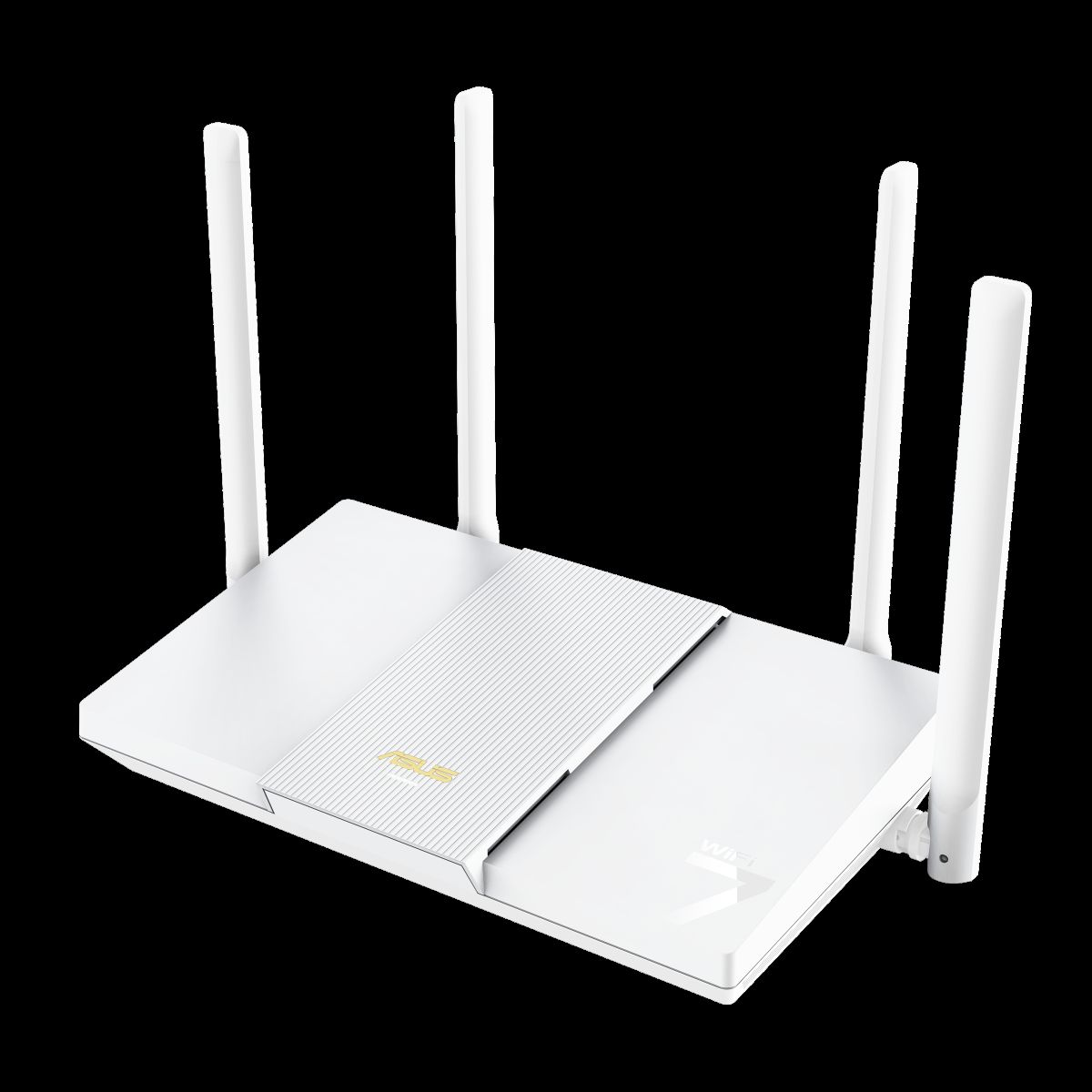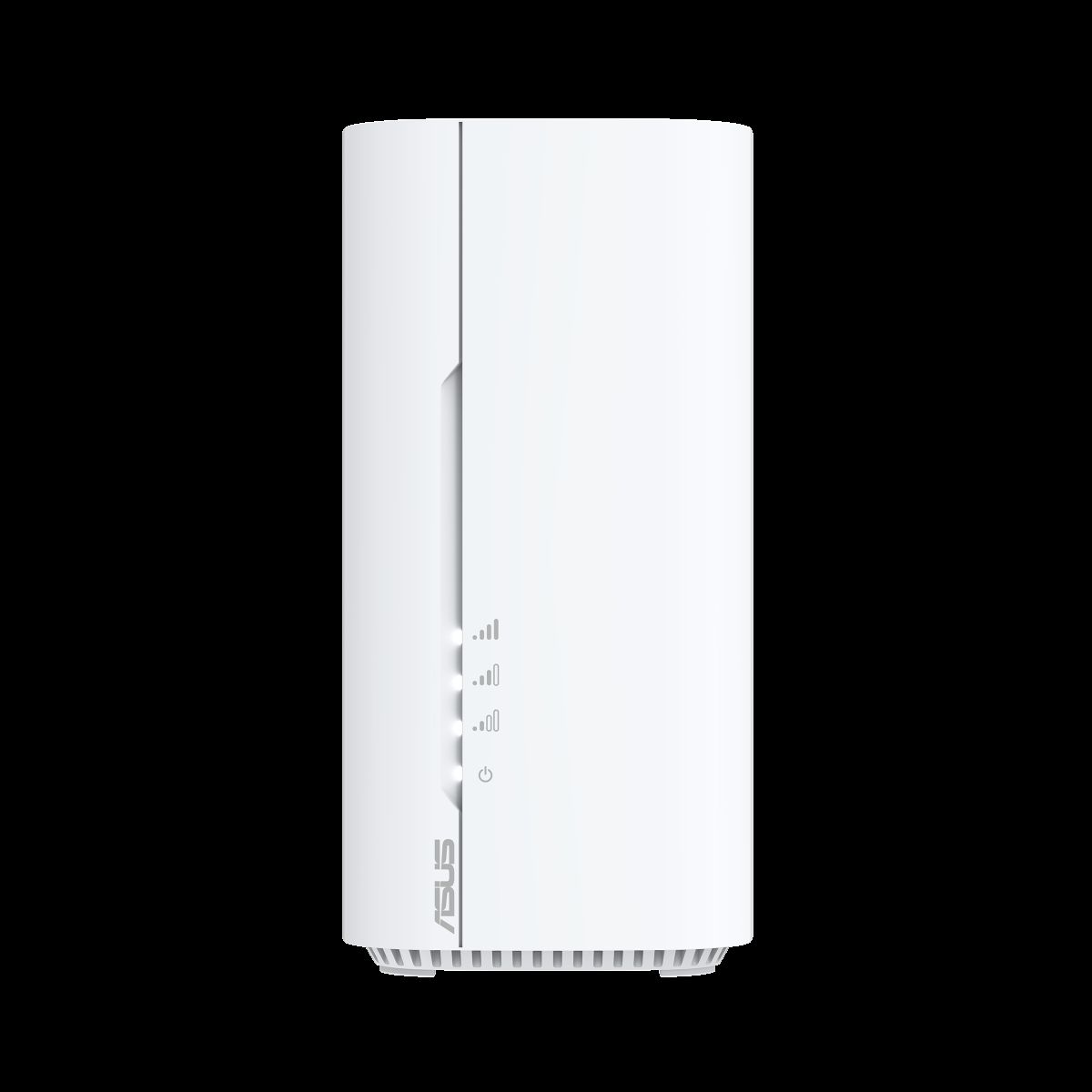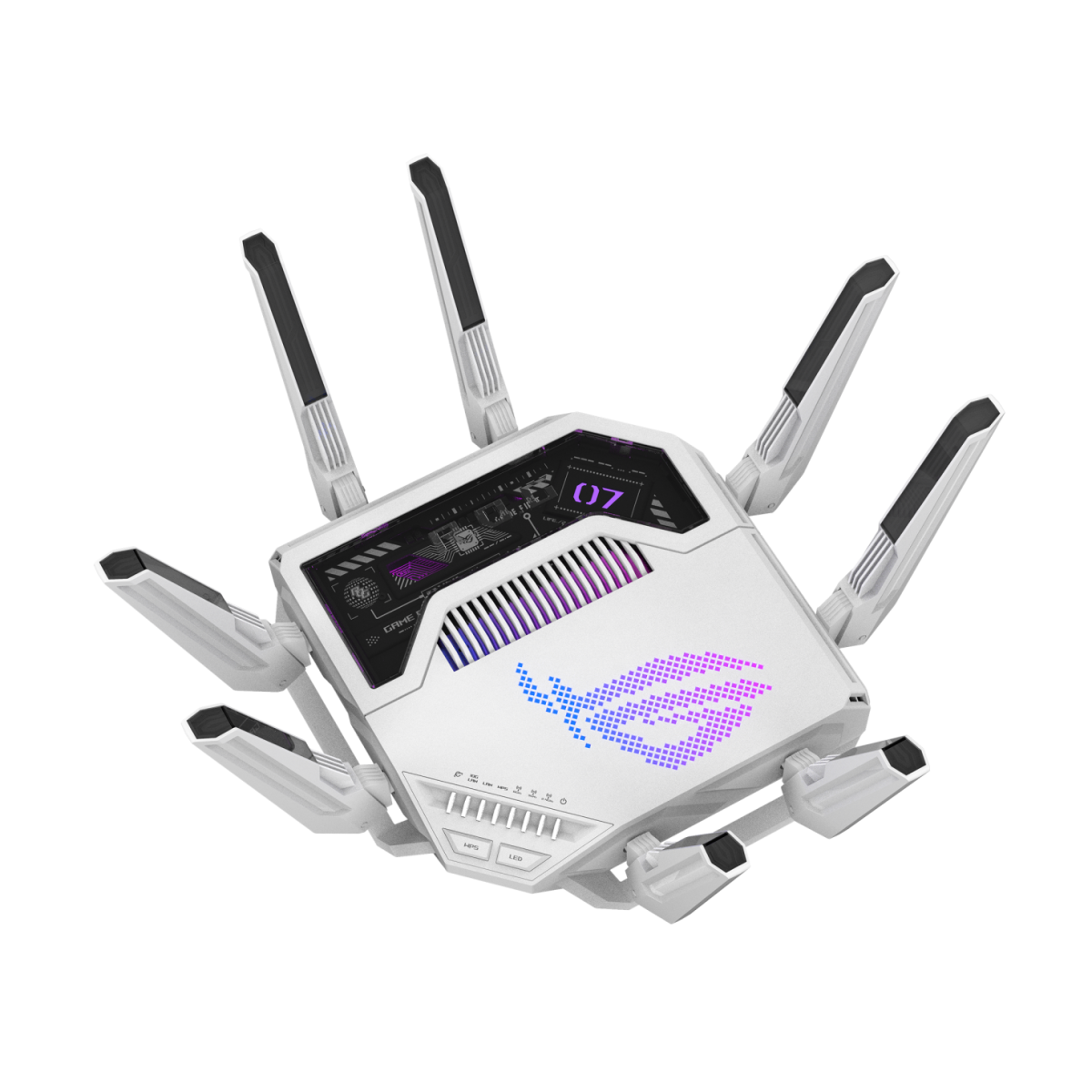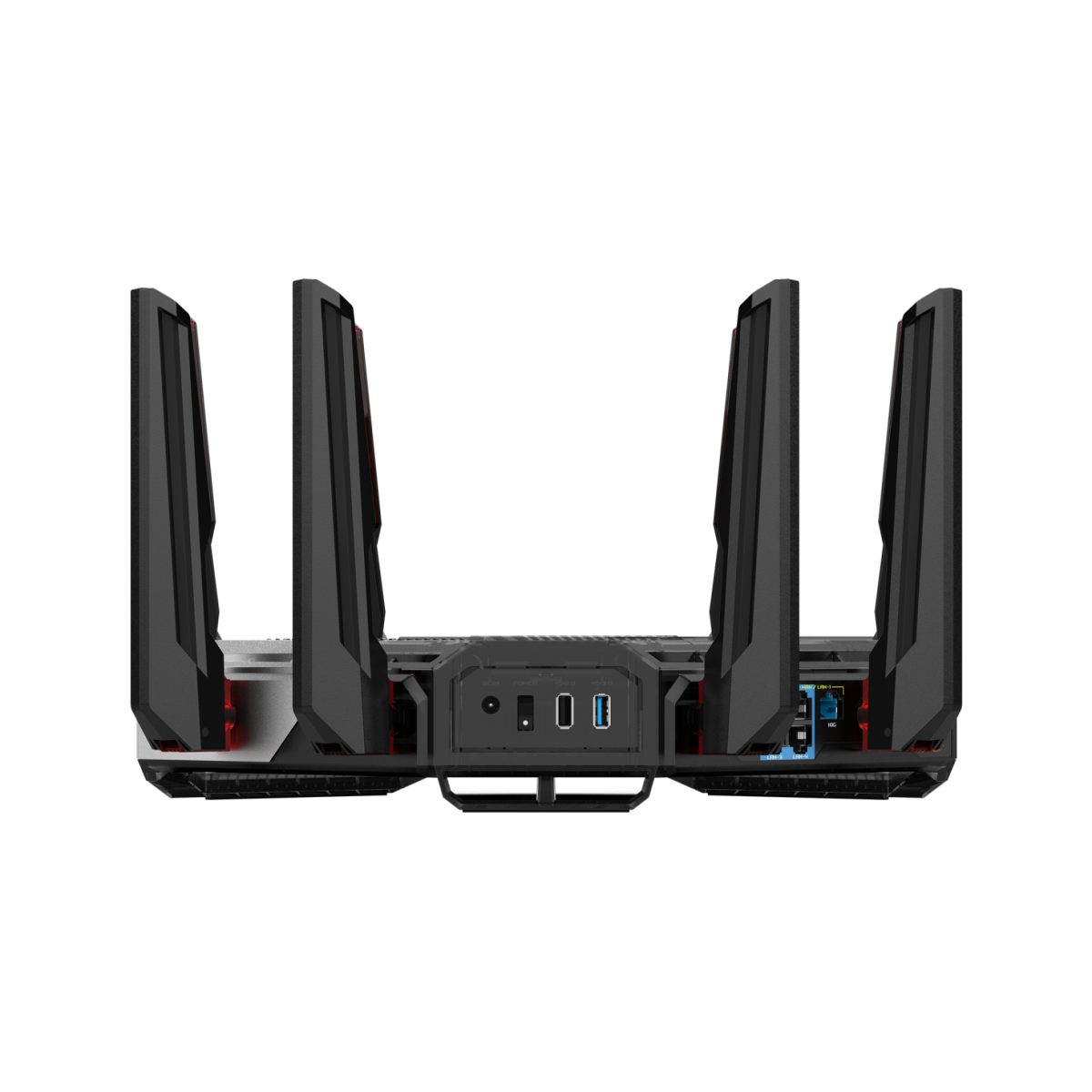
Federal regulators have taken a surprising turn in their ongoing effort to purge foreign-made networking equipment from American homes and businesses. In a move that marks a significant precedent for the communications industry, the Federal Communications Commission has granted ASUS the first-ever exemption to its tightening restrictions on hardware containing components from specific restricted foreign entities.
The decision comes at a critical juncture for the consumer electronics market. As the FCC continues to expand its mandate to identify equipment deemed to pose an unacceptable risk to national security, manufacturers have been forced to undergo rigorous audits of their global supply chains. While the regulatory focus has traditionally centered on enterprise-grade infrastructure from giants like Huawei and ZTE, newer proposed rules have cast a wider net over consumer-grade routers and IoT devices produced by entities under the influence of adversarial nations.
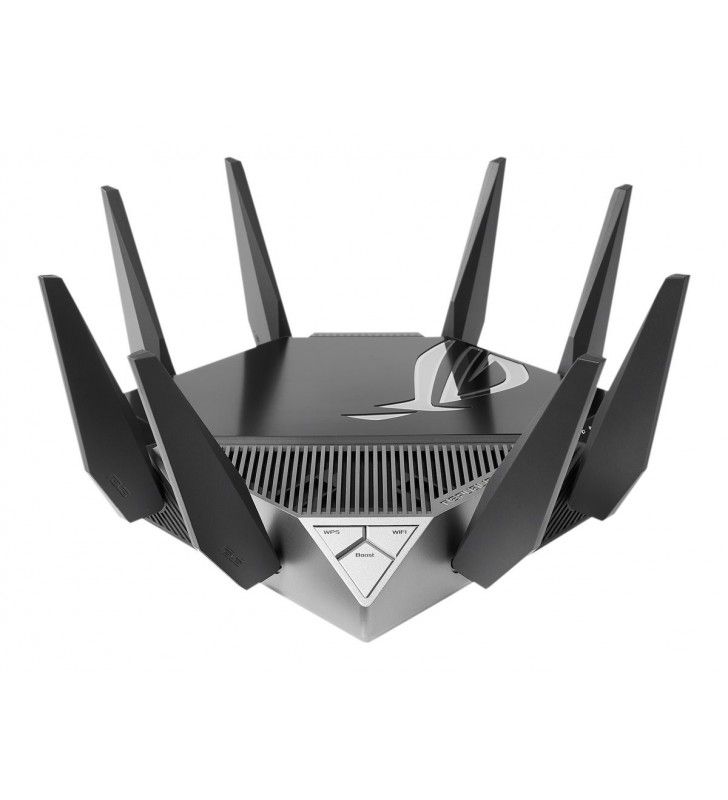
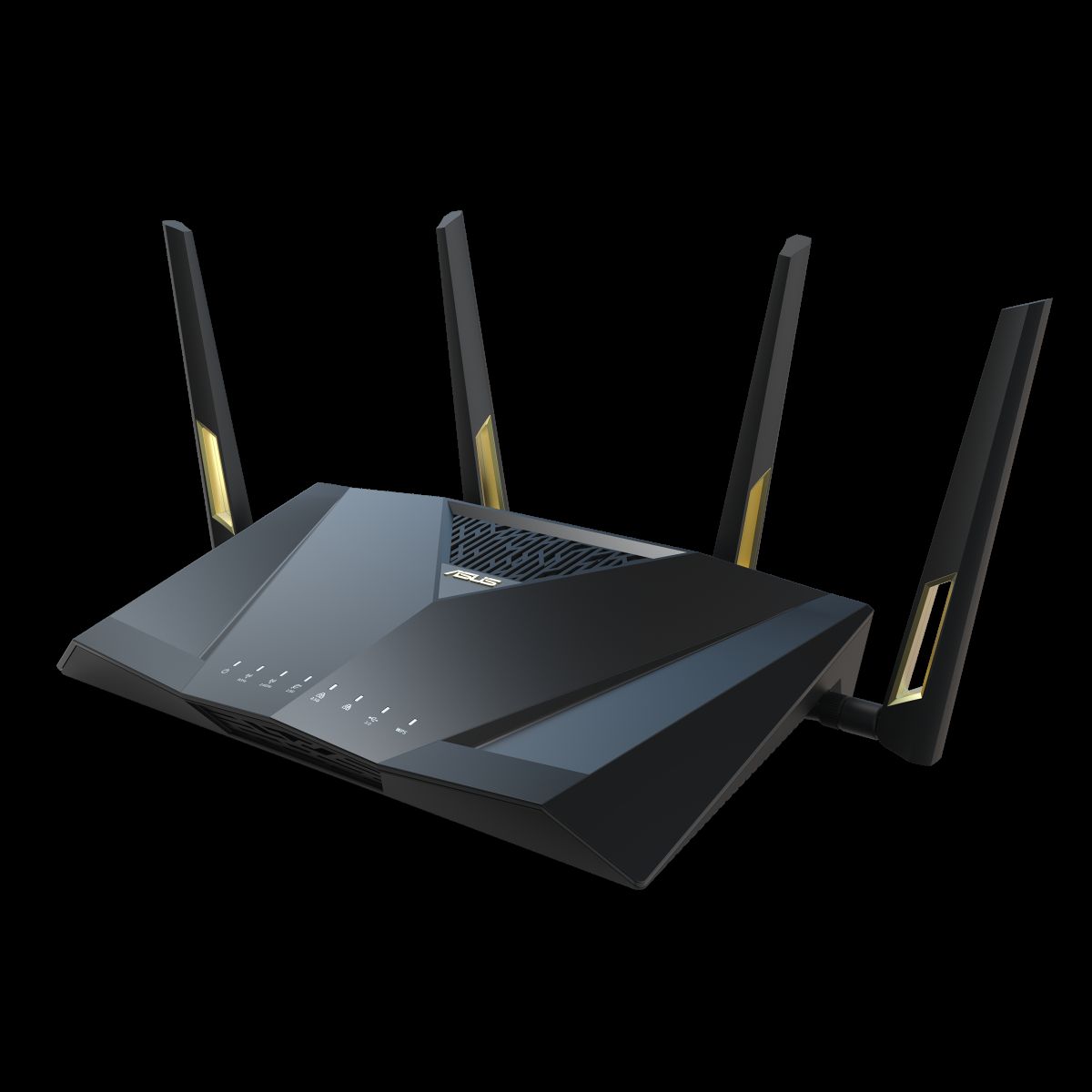
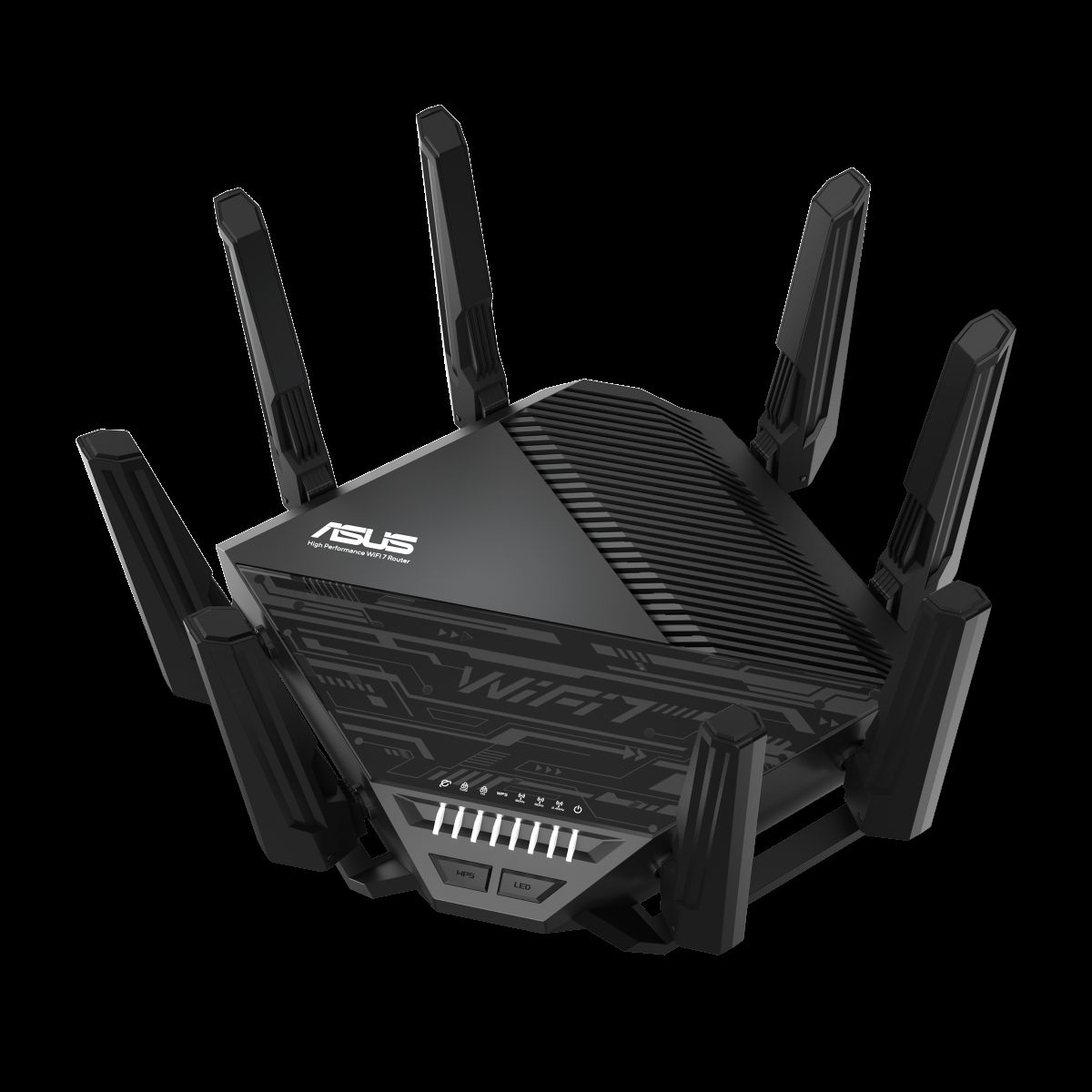
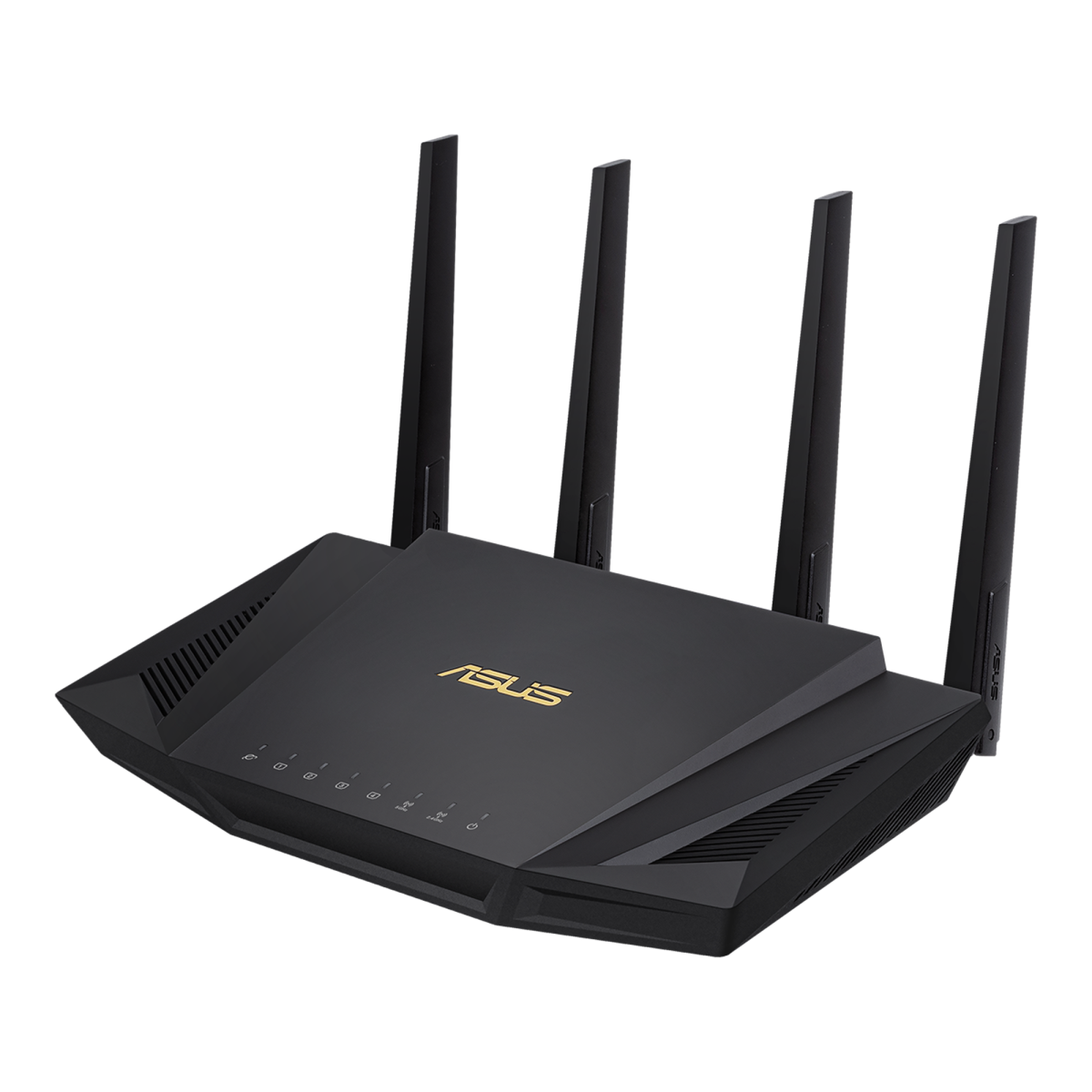
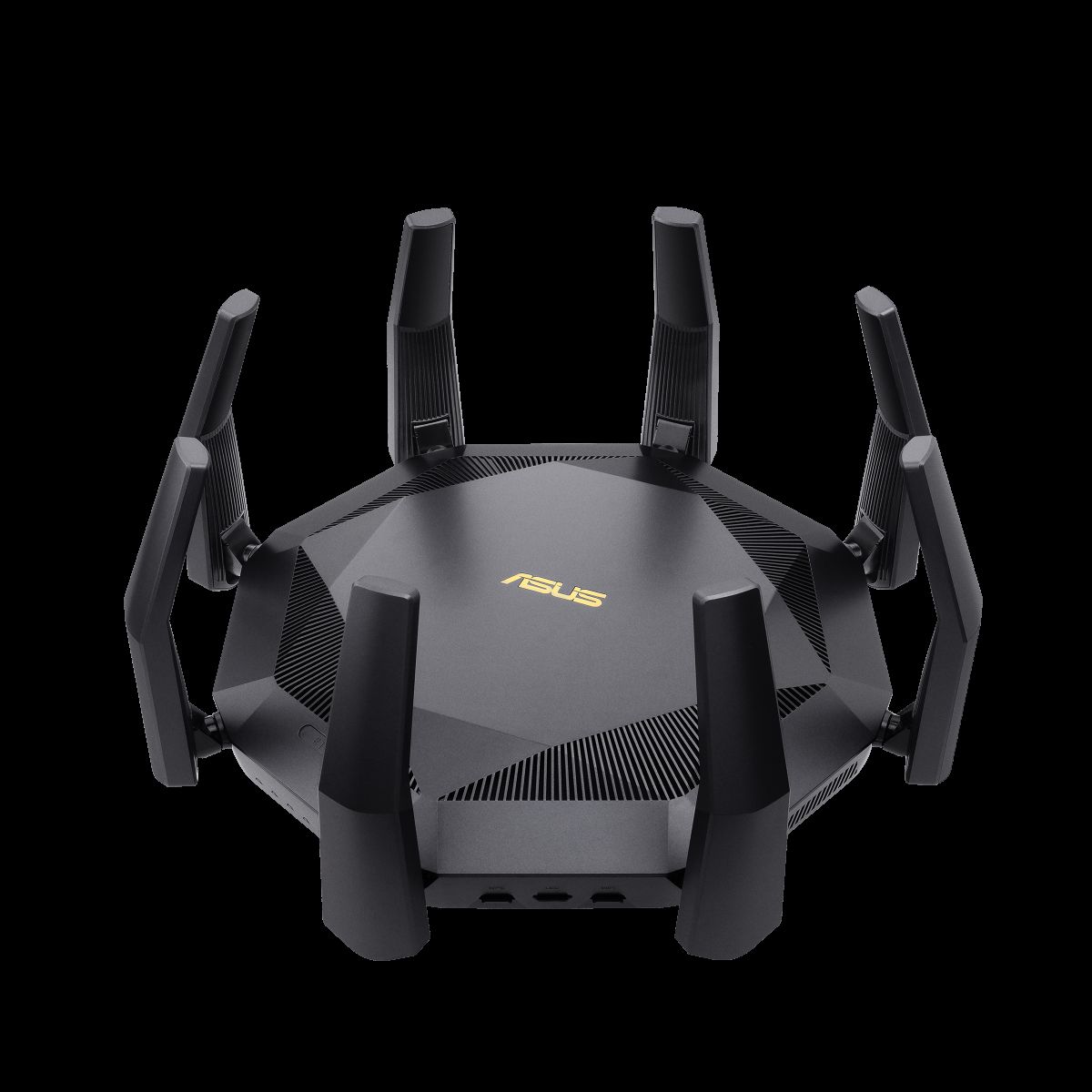
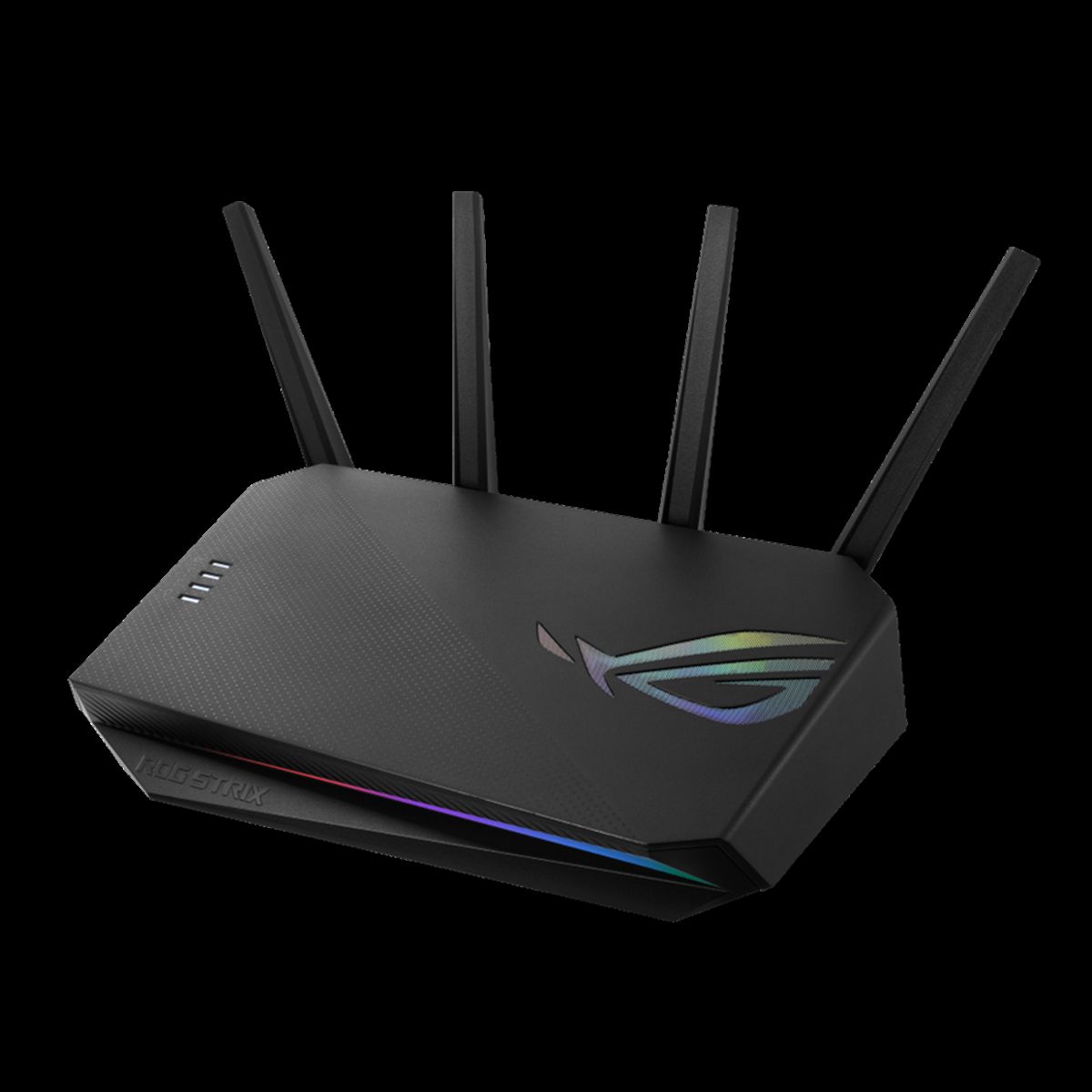
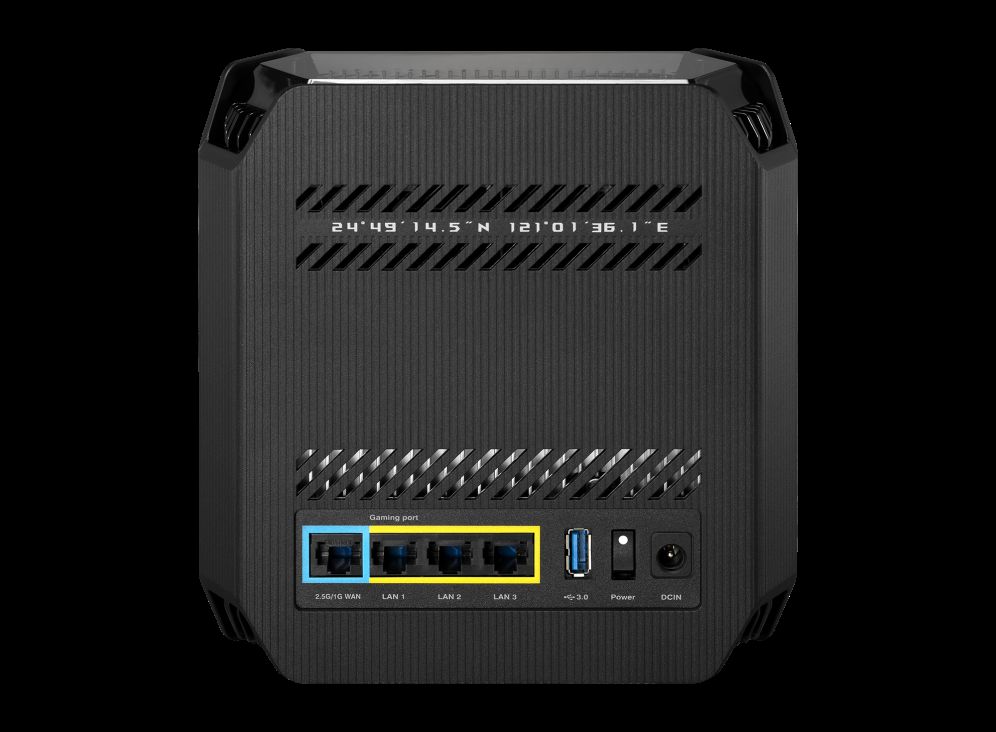
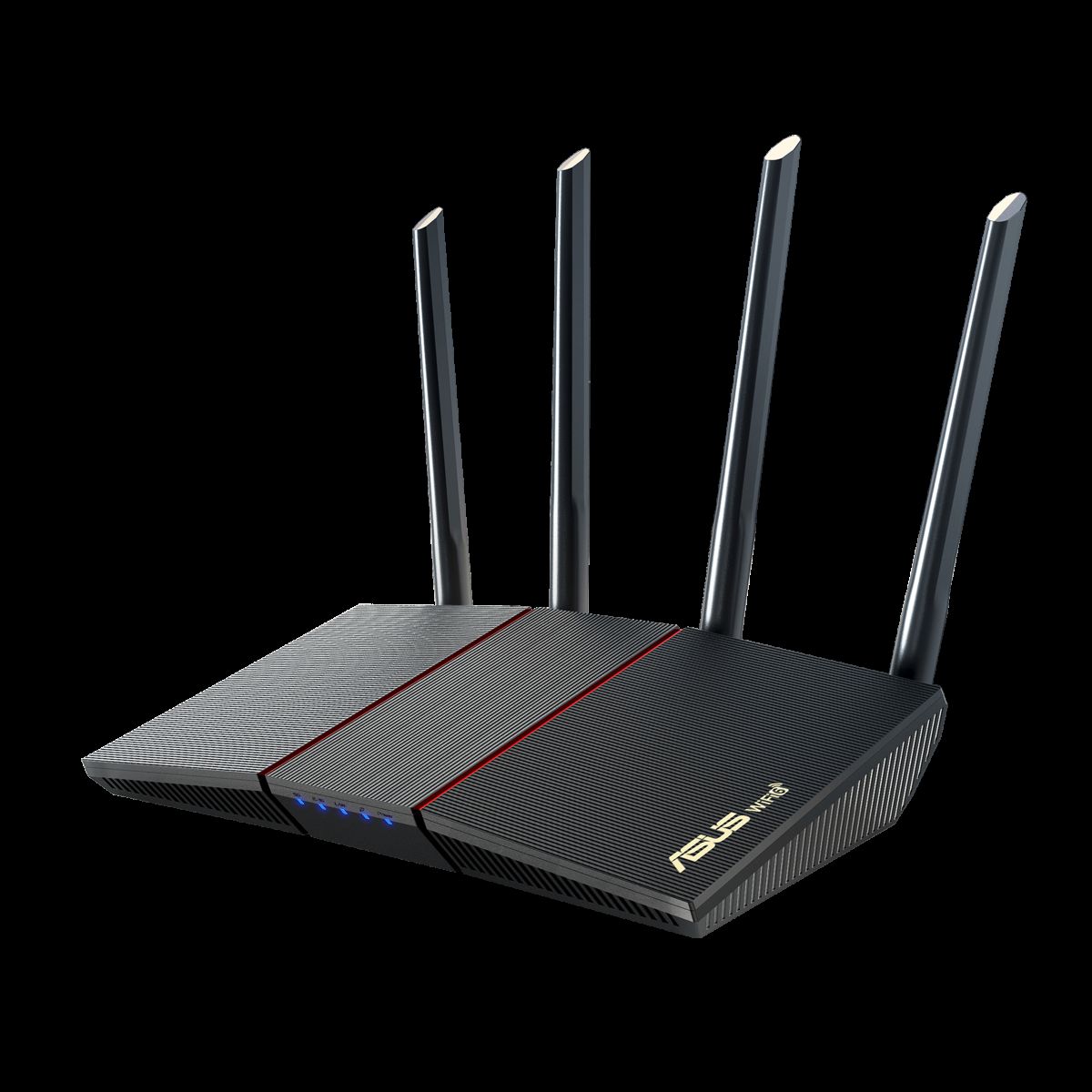
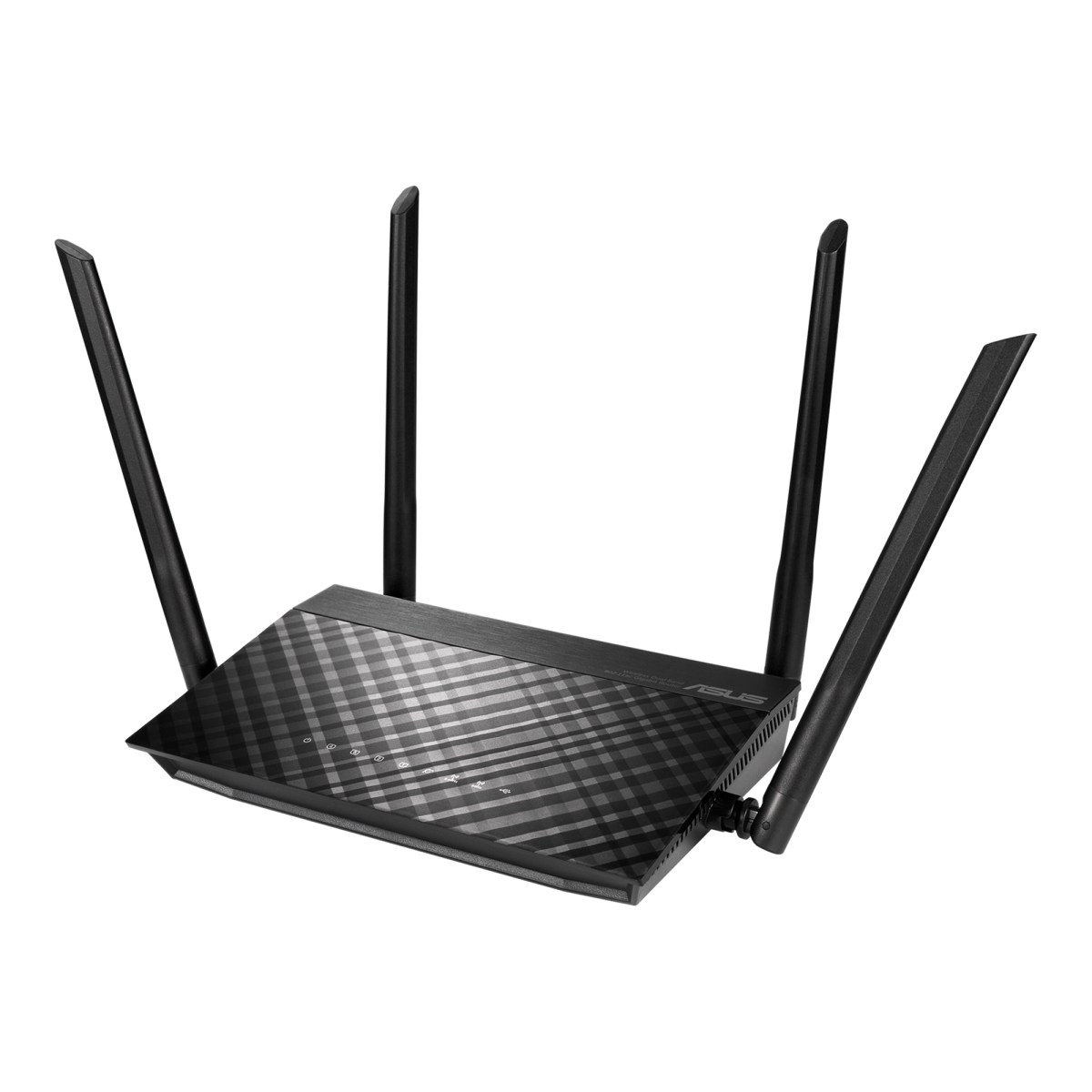
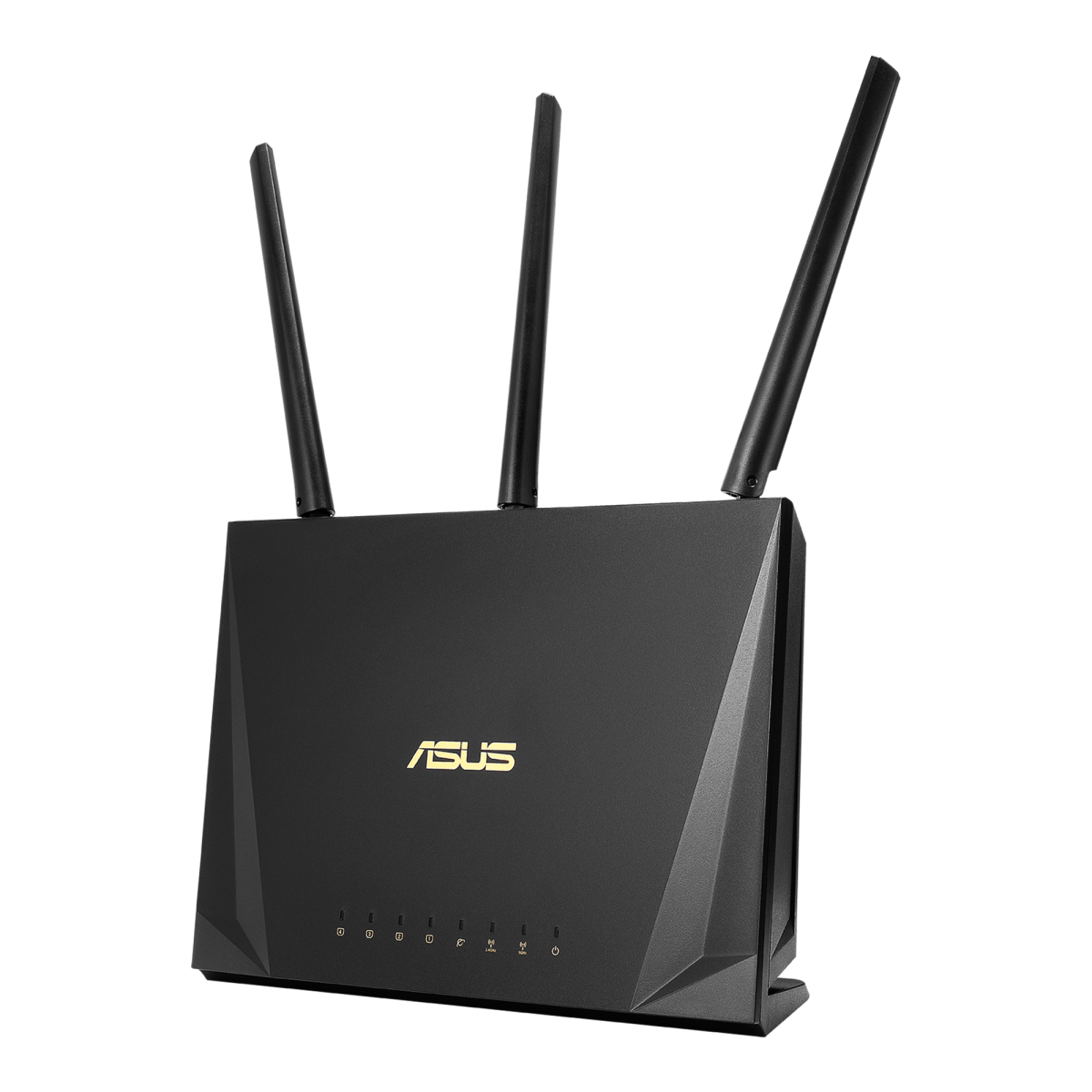
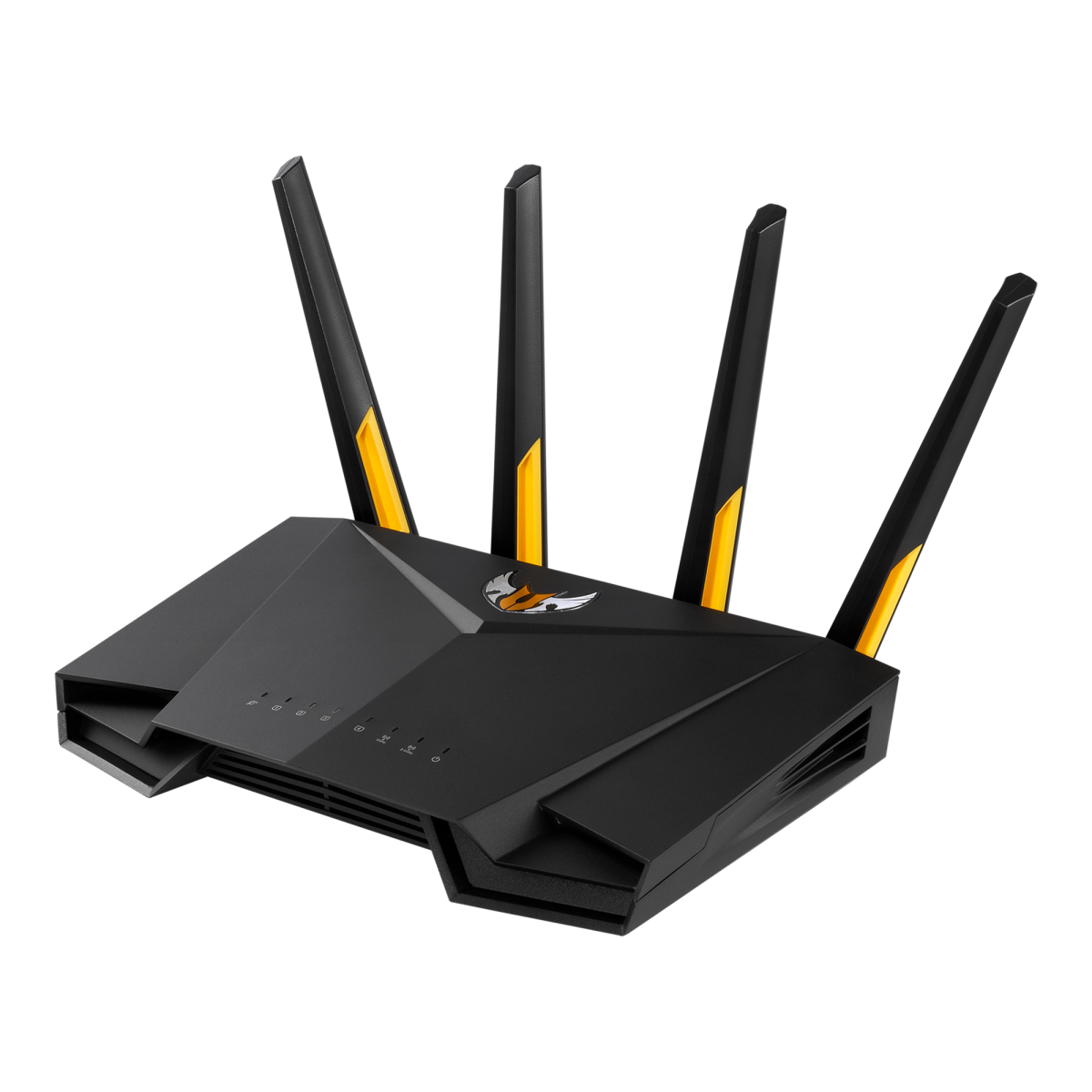
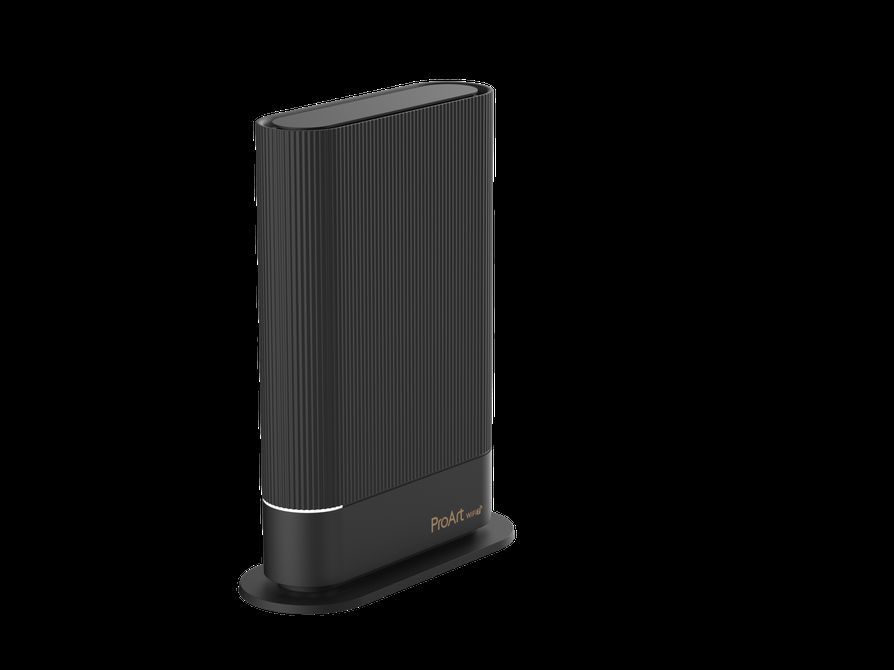
ASUS, a dominant force in the domestic router market known for its high-performance gaming and mesh systems, sought the waiver to ensure its latest hardware could clear federal certification hurdles. The exemption specifically addresses concerns regarding the origin of certain internal components that might have otherwise triggered a total certification block under the agency's latest security framework. By providing granular transparency into their software security layers and hardware architecture, the company successfully demonstrated that their devices do not carry the specific vulnerabilities the FCC is currently aiming to mitigate.
For consumers, this ruling offers a temporary sigh of relief, ensuring that one of the most recognizable networking brands will remain on store shelves during a period of intense regulatory transition. However, for the broader technology industry, the FCC's willingness to grant such a waiver suggests that the impending hardware ban may be more nuanced than a total blackout.
Industry analysts suggest that this case provides a vital roadmap for other networking giants to navigate the increasingly complex intersection of international trade and national security. While the FCC remains committed to fortifying the American digital landscape against foreign interference, this specific exemption indicates that manufacturers who can prove their security integrity may still find a path to the U.S. market despite the deepening geopolitical divide in tech manufacturing.