The Federal Communications Commission has issued a significant financial blow to networking giant Netgear, levying a $1.25 million penalty following an investigation into unauthorized radio frequency emissions. At the heart of the dispute is the company’s failure to prevent consumer hardware from interfering with critical government infrastructure, specifically the Terminal Doppler Weather Radar systems used by airports to detect dangerous wind shear conditions.
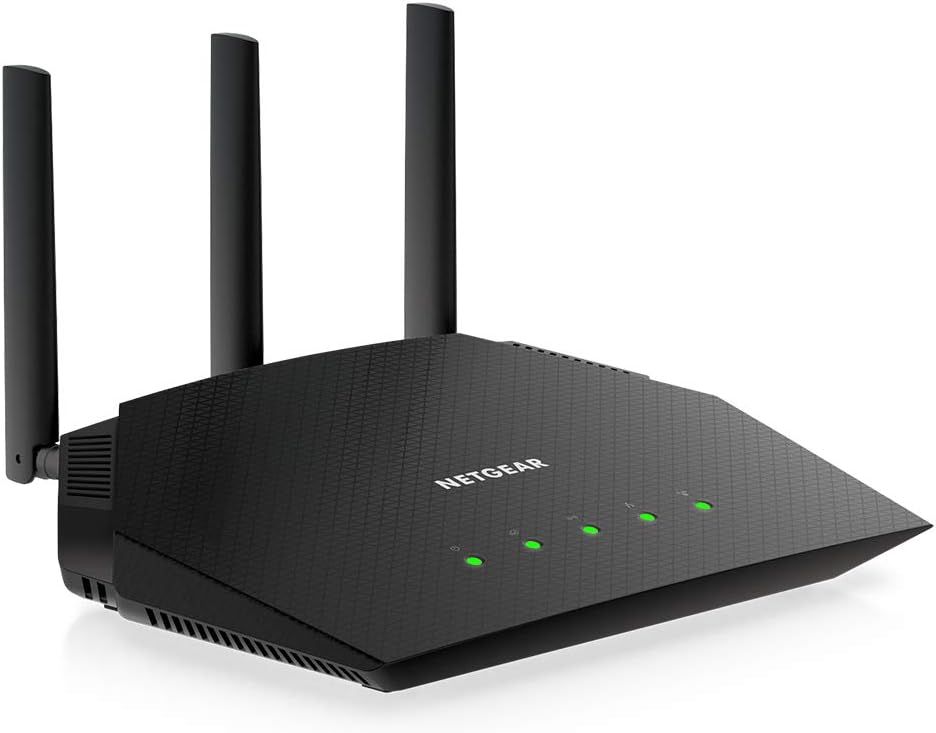
Federal regulators discovered that several models of Netgear routers were sold with software vulnerabilities that allowed users to bypass regional frequency restrictions. By modifying these settings, the devices could operate on frequencies reserved for the Federal Aviation Administration, creating a blanket of electronic noise that could blind vital meteorological sensors. This violation marks a major breach of the FCC’s ‘software security’ requirements, which mandate that manufacturers must lock down radio parameters to prevent unauthorized modifications by the end-user.
The settlement reflects a growing tension between the open-source networking community and federal regulators. For years, enthusiasts have utilized third-party firmware to squeeze extra performance out of their hardware, but the FCC has tightened its grip to ensure these modifications do not disrupt the increasingly crowded 5GHz spectrum. As part of the consent decree, Netgear has committed to a rigorous compliance plan, which includes implementing more robust digital locks to ensure their future devices remain strictly within legal operating bounds.
While the fine represents a drop in the bucket for a corporation of Netgear's size, the regulatory implications for the broader tech industry are profound. The move signals that the FCC will no longer tolerate hardware that leaves the door open for spectrum interference, potentially forcing a shift in how routers are designed and manufactured. For consumers, this likely means a future of more 'locked-down' devices, as manufacturers prioritize regulatory compliance over the flexibility of user-modified hardware.