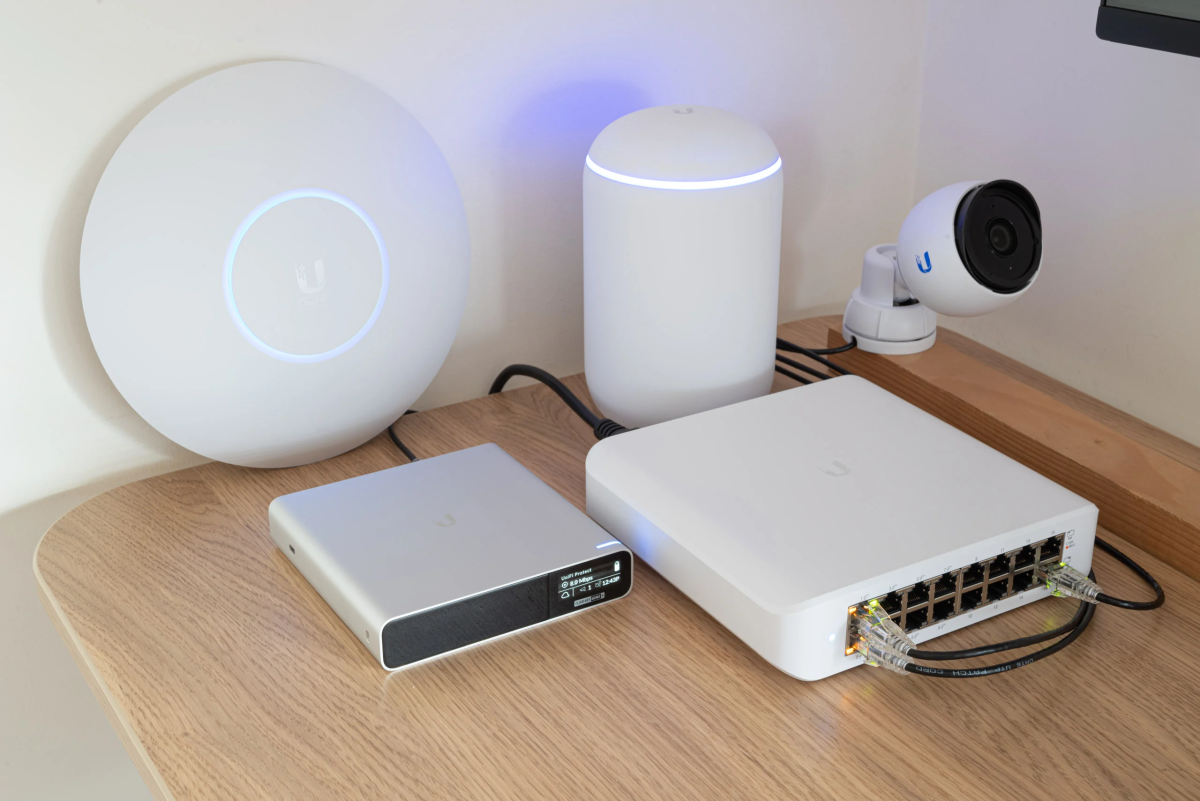
Google began rolling out a broad maintenance update on October 29, 2026, delivering 42 bug fixes and stability patches across the Google Home app, Gemini for Home, Nest Wifi hardware, and legacy Nest cameras.
Published in Google's official release notes and reported by Android Police, the rollout targets persistent connectivity bugs, wireless roaming performance, and voice assistant errors rather than introducing major new hardware features. The patches deploy automatically through mobile app updates and background device firmware releases over the coming weeks.
Nest Wifi and wireless connectivity
On the networking front, the firmware update addresses routing and mesh stability on Nest Wifi and Nest Wifi Pro hardware. According to Google's release notes, Nest Wifi systems now support automatic failover to an ISP DNS server whenever configured public DNS servers are blocked. The patch also improves mesh node setup reliability.
At the wireless layer, Google optimized mesh RSSI handling and client-steering performance while patching wpa_supplicant and DHCP client stability. For the 2019 Nest Wifi router and Nest Wifi point, the firmware adds general mesh network resilience and DNS fallback updates alongside security vulnerability patches. Separate speaker firmware updates also resolve a connection bug that occurred when pairing smart speakers to Wi-Fi 7 routers configured with WPA3 security.
Gemini for Home and smart speakers
Voice control fixes focus heavily on spatial awareness within Gemini for Home. Google updated command parsing so users can transfer media playback between rooms or adjust the volume of a remote speaker without accidentally altering the volume of the local listening device. The update also eliminates an error that caused smart speakers and displays to trigger unprompted and say, "Sorry, I didn't understand" when no one was speaking.
Additional audio patches fix a bug that separated media sleep timers from standard timers and resolve an issue that reset alarm and timer volumes to zero. On smart displays and speakers, the release restores disappearing stereo pairs and speaker groups inside the Google Home app, fixes voice commands for ending Google Meet calls, and improves YouTube TV voice control reliability.
Nest cameras and Matter device controls
First-generation hardware migrated from the legacy Nest app receives targeted firmware patches. The first-generation Nest Cam Indoor, first-generation Nest Cam Outdoor, and first-generation wired Nest Doorbell (Nest Hello) gain faster Wi-Fi reconnection after brief network drops and quicker transitions to night vision in low-light conditions. The wired first-generation Nest Doorbell also receives improvements to Familiar Face detection and audio-video synchronization, while the Nest Cam IQ Indoor and Outdoor receive a fix for a bug that caused the status LED ring to pulse blue during Wi-Fi disconnects.
Within the Google Home app, an iOS bug that falsely marked online devices as offline or displayed a "Video Not Available" error at the end of recorded event timelines has been fixed. On Android, the app no longer freezes live camera feeds when folding or unfolding foldable phones. Android users also get specific iconography and controls for Matter-compatible garage doors, gates, windows, blinds, and cabinets instead of a generic gate icon, while Matter smart plugs and energy monitors now display real-time power draw in milliwatts (mW) and cumulative energy usage in kilowatt-hours (kWh) directly on device tiles.
As Google continues consolidating legacy Nest hardware into the Google Home app, maintenance releases of this scale will remain critical for keeping older Wi-Fi nodes, cameras, and Matter accessories stable on modern home networks.