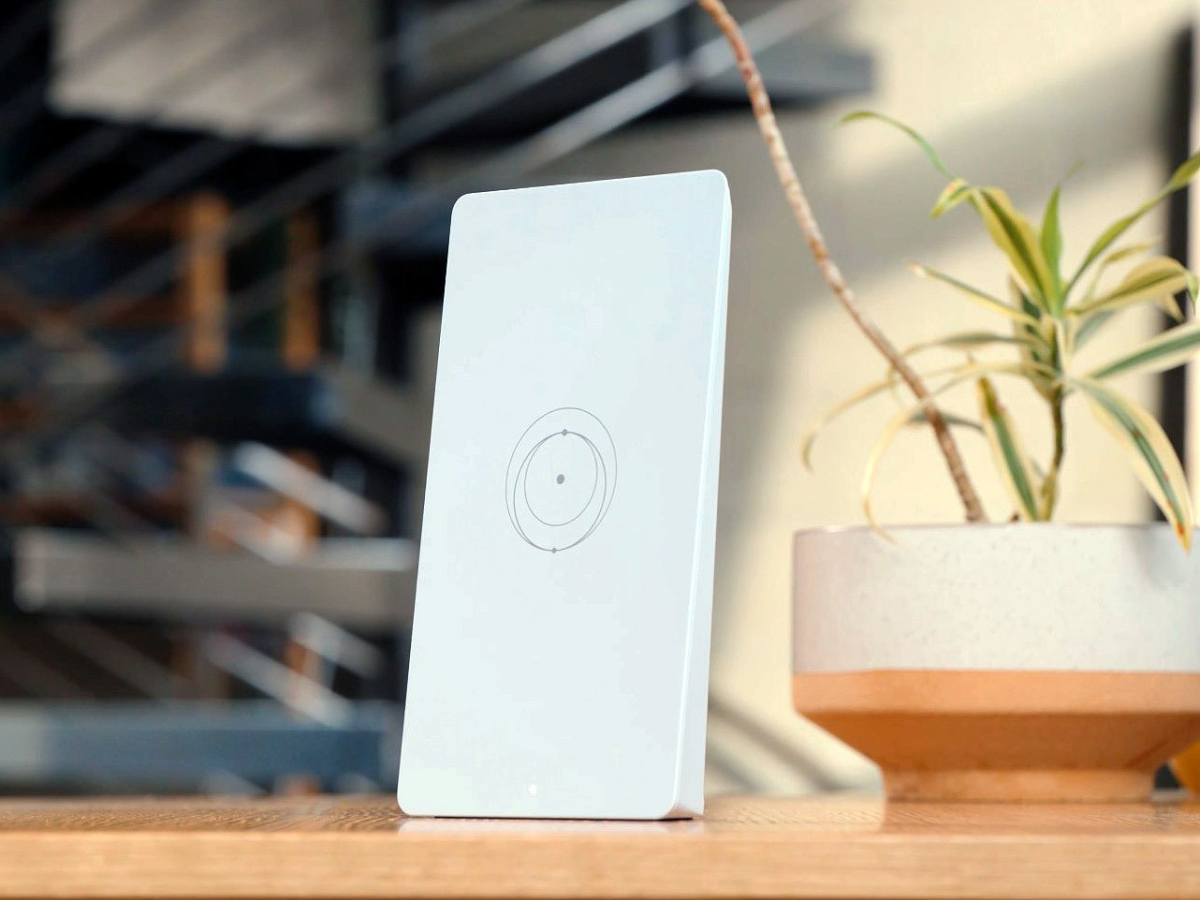
Starlink began shipping its Router 4 on November 6 with V4 Kits for new Residential 200 Mbps and Residential Max subscribers in the US and Canada, marking the satellite provider's first hardware built on a Wi-Fi 7 chipset.
First previewed by SpaceX on September 9 after receiving FCC authorization under model number UTR-261 in August, the Router 4 replaces the Wi-Fi 6 Router 3 previously bundled with Standard 4X residential packages. While Starlink's satellite downlink remains the primary bandwidth bottleneck—with the $85-per-month Residential 200 Mbps plan capped at 200 Mbps and the $130-per-month Residential Max plan advertising speeds above 400 Mbps—the updated router targets local network capacity and multi-room reach.
The Gadgeteer reported that the Router 4 uses a tri-band radio layout across the 2.4 GHz and 5 GHz bands while omitting a 6 GHz radio entirely. Instead of using 6 GHz spectrum for high-throughput short-range links, Starlink allocated one of the three radios to dedicated mesh backhaul traffic. The unit pairs a 4x4 antenna configuration on 2.4 GHz with a 4x5 setup on 5 GHz, supporting 802.11a/b/g/n/ac/ax/be standards, MU-MIMO, OFDMA, and mixed WPA2/WPA3 security. Additional Router 4 units or older Starlink mesh nodes, including the Router Mini, can pair with the primary unit to expand coverage without taxing client-facing bands.
Indoor coverage increases to 325 square meters (3,500 square feet), up roughly 9 percent from the 297 square meters (3,200 square feet) rated on the Router 3. The concurrent client limit sees a larger jump, rising from 235 devices on the previous generation to 510 devices on the Router 4.
Hardware and Dish Compatibility
The Router 4 measures 45.7 x 203.2 x 114.3 mm (1.8 x 8 x 4.5 inches) and weighs 0.4 kg, making it lighter than the 0.57 kg Router 3. The chassis carries an IP56 rating for dust and water splash resistance when its removable port covers are installed, though Starlink specifies the unit for indoor use only. A single LED status light sits on the lower front faceplate alongside a factory reset button.
Behind the protective covers sit two Ethernet ports, both supporting Power over Ethernet (PoE). The router accepts power via its WAN port or a USB-C input. On Starlink Dual PoE packages, such as the Standard 4 Upgrade Kit, the Router 4 draws power directly from the Dual PoE power supply and ships without a standalone AC wall adapter.
According to Starlink support documentation cited by Notebookcheck, the Router 4 is compatible with the Standard 4, Standard 4X, Starlink Mini, Performance (Gen 1), and original Standard Circular dishes. Subscribers with Gen 2 motorized dishes can also connect the Router 4 by installing a Starlink Ethernet adapter and placing the Gen 2 router into bypass mode.
Starlink has not announced standalone retail pricing or an upgrade path for current subscribers who want to replace an existing Router 3 or Router Mini. The November 6 rollout excludes the Residential 100 Mbps tier, Roam plans, and business accounts, which continue to ship with older Wi-Fi 6 hardware until SpaceX broadens inventory across its storefront.