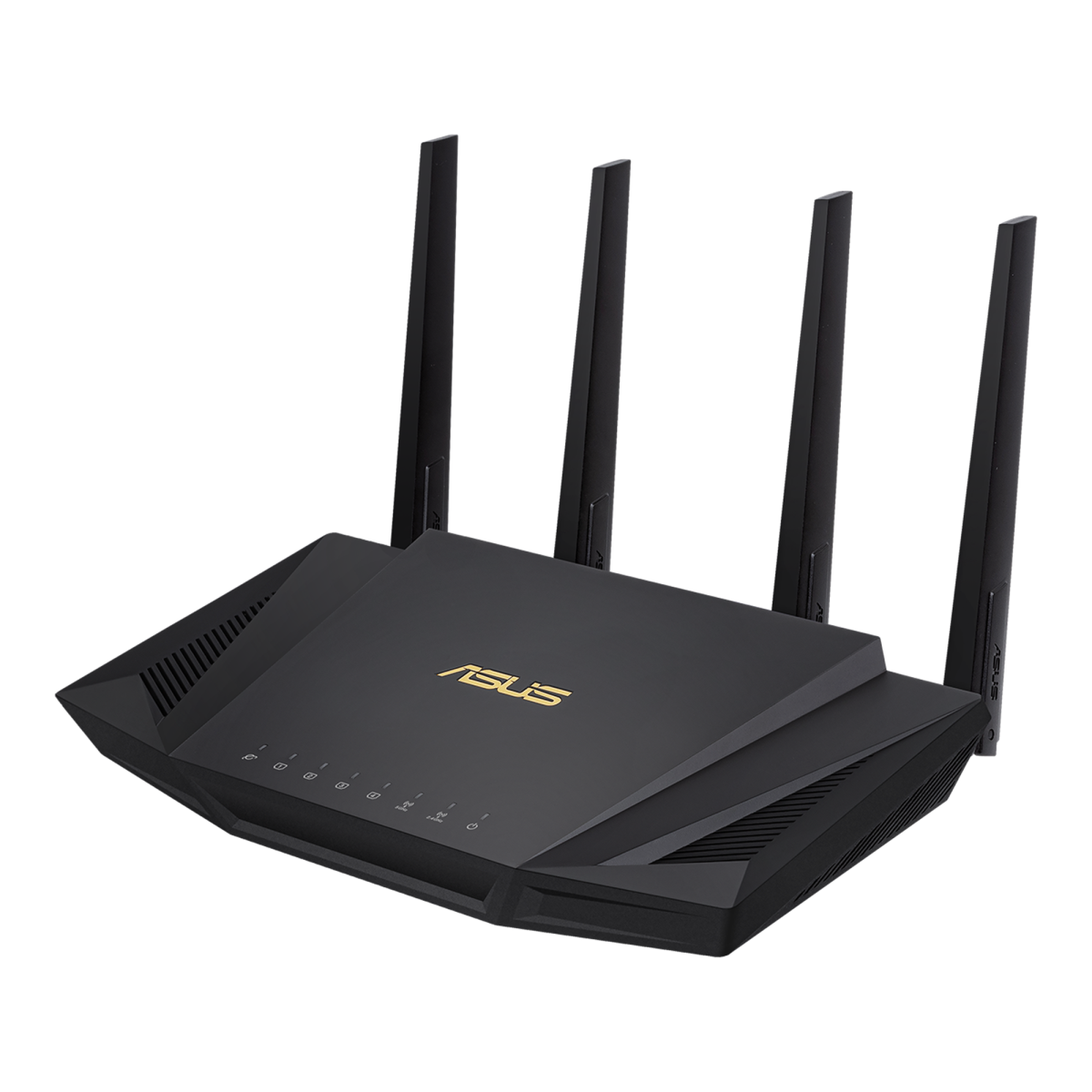
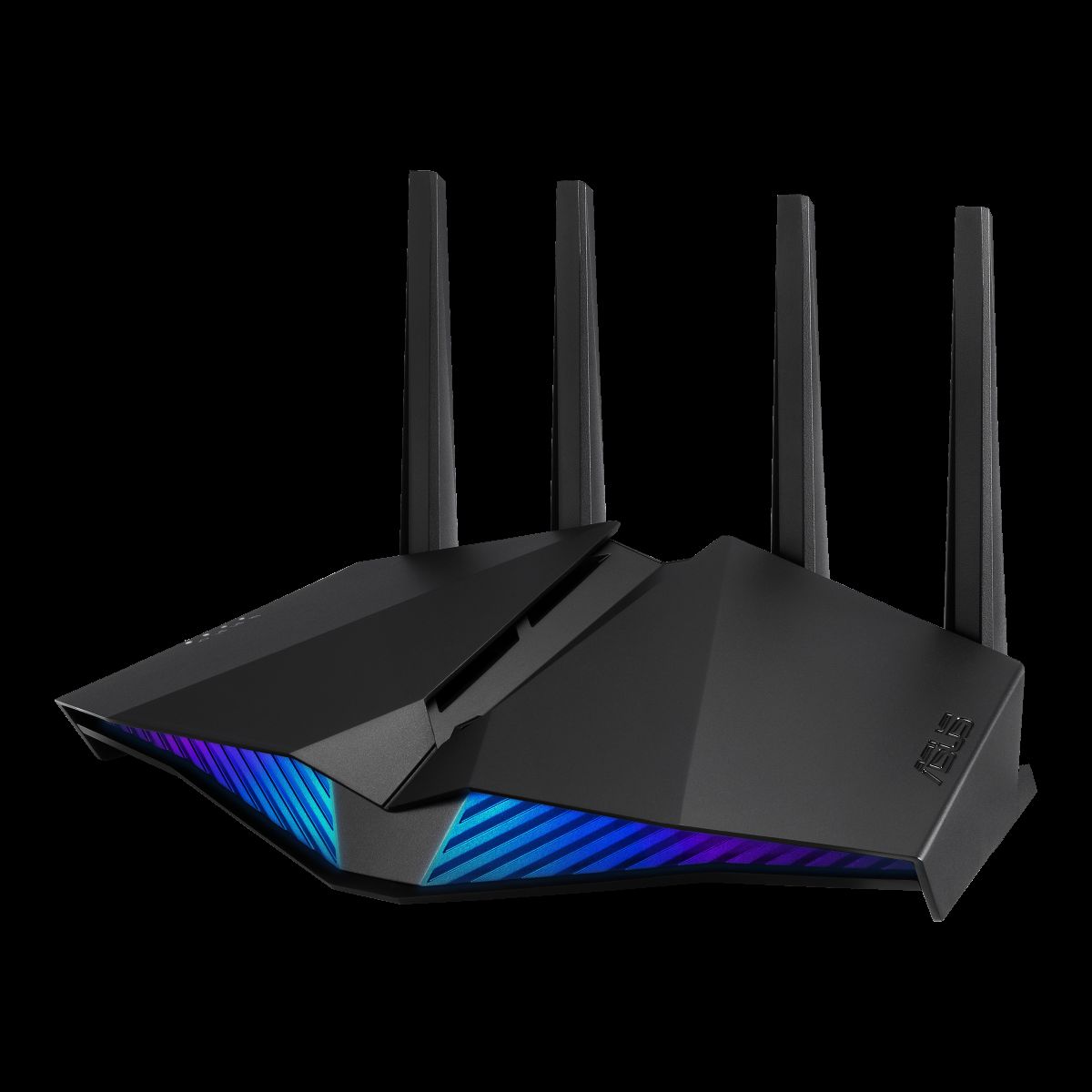
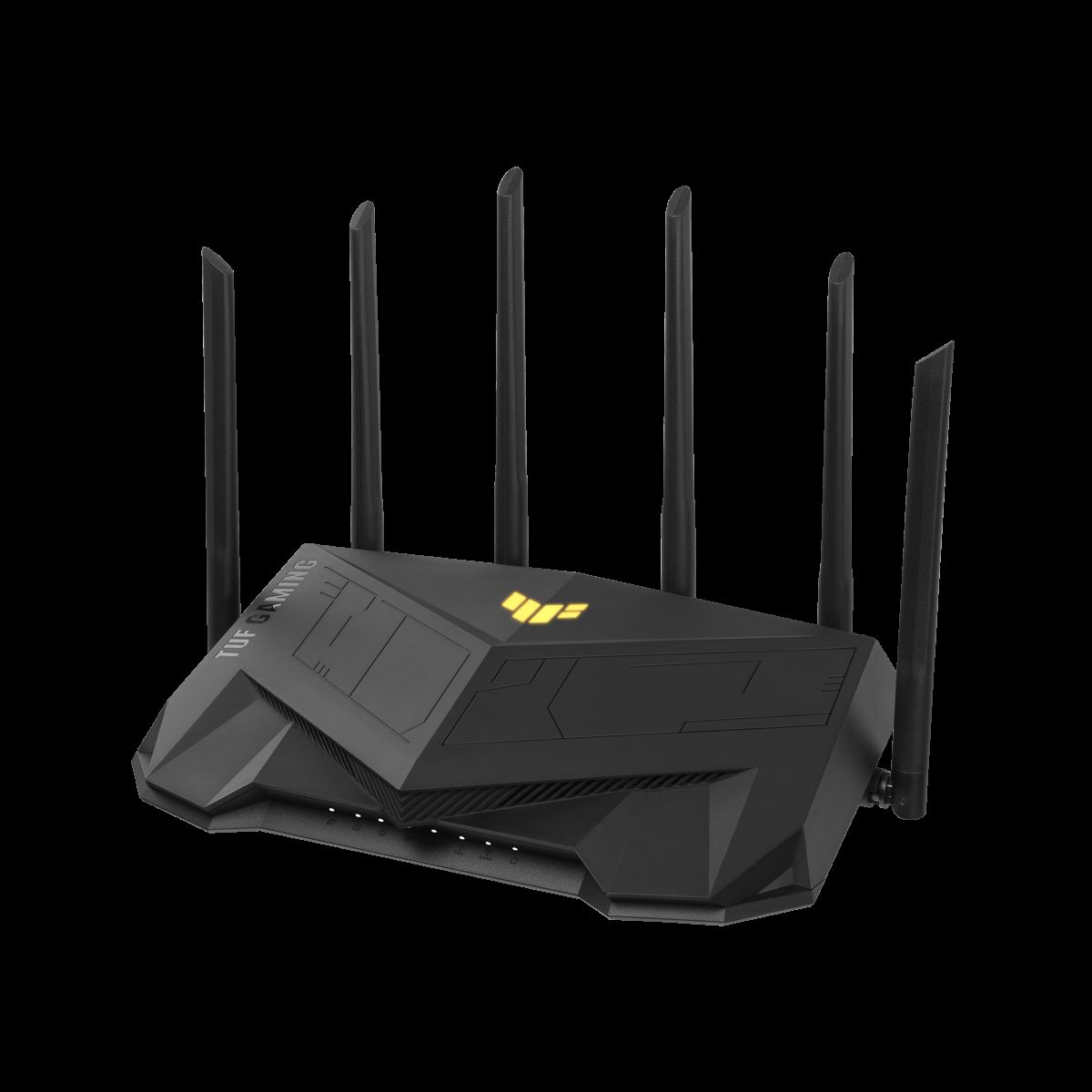
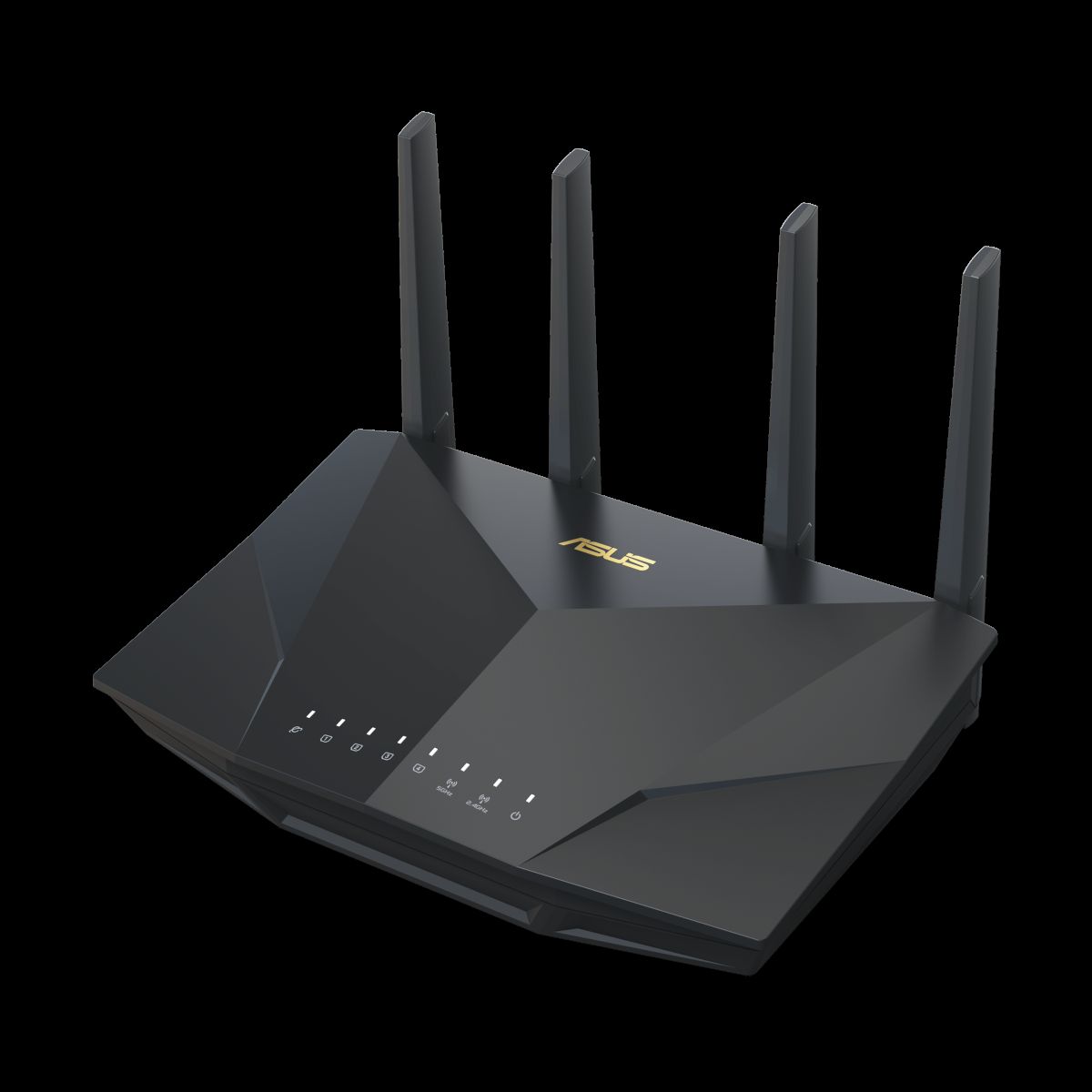
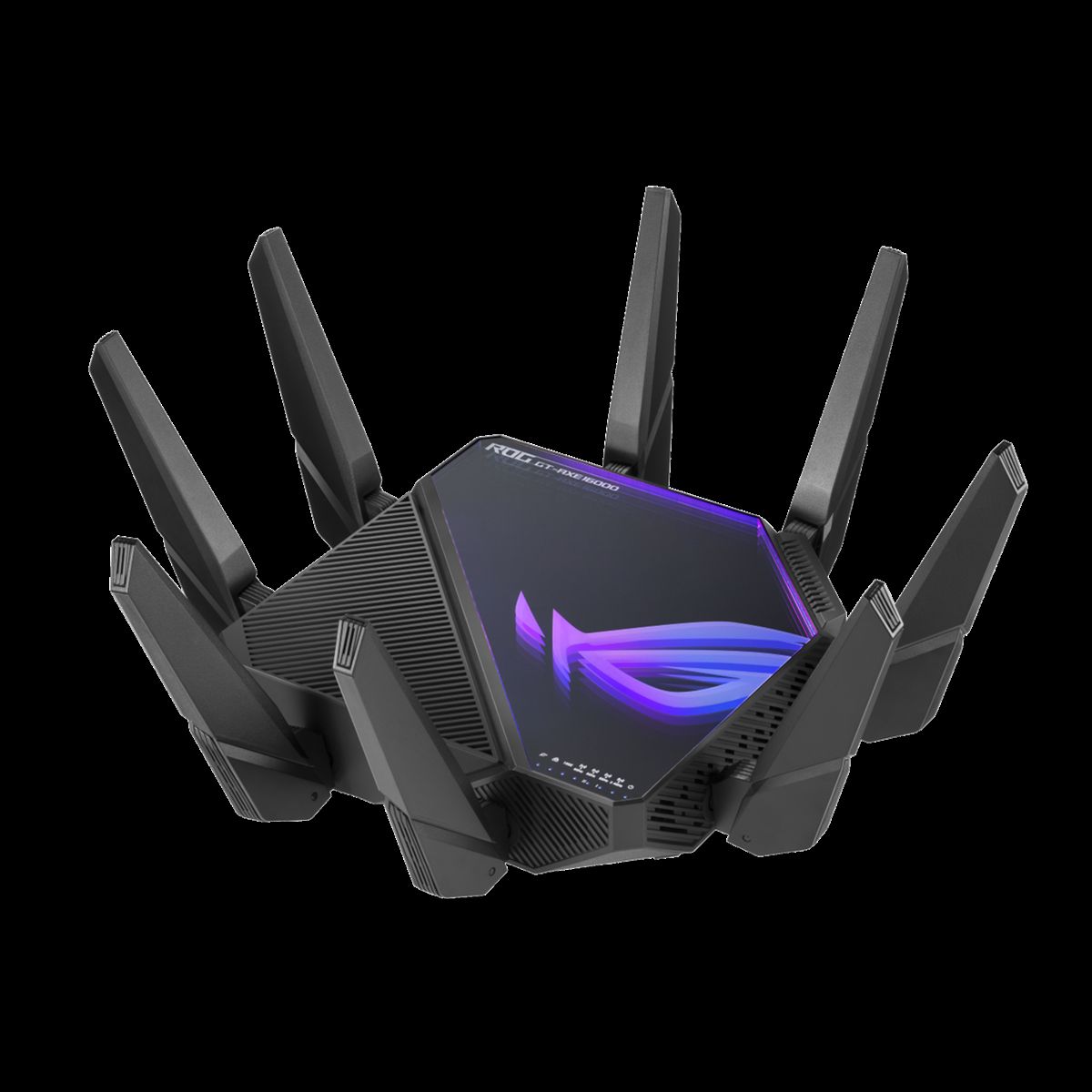
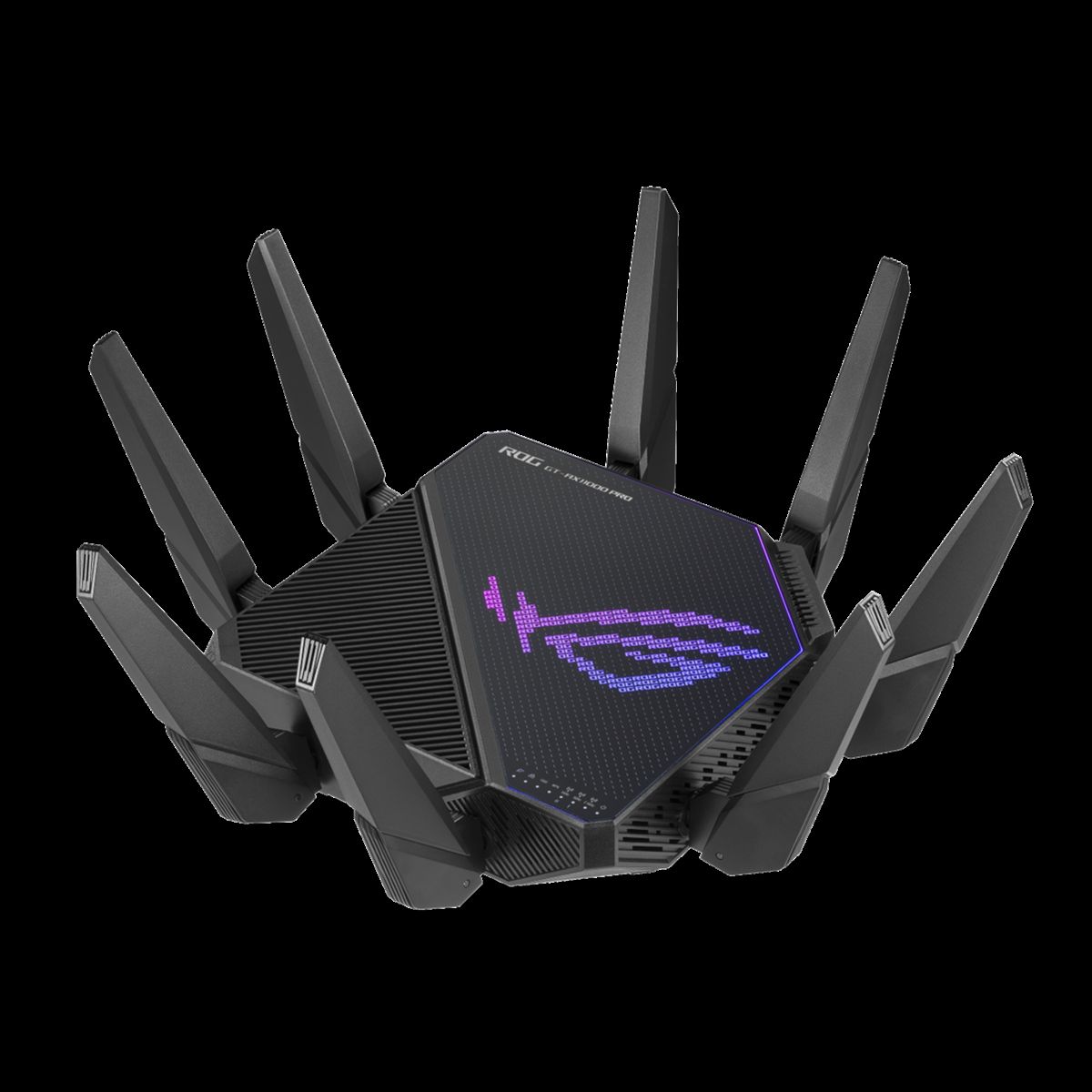
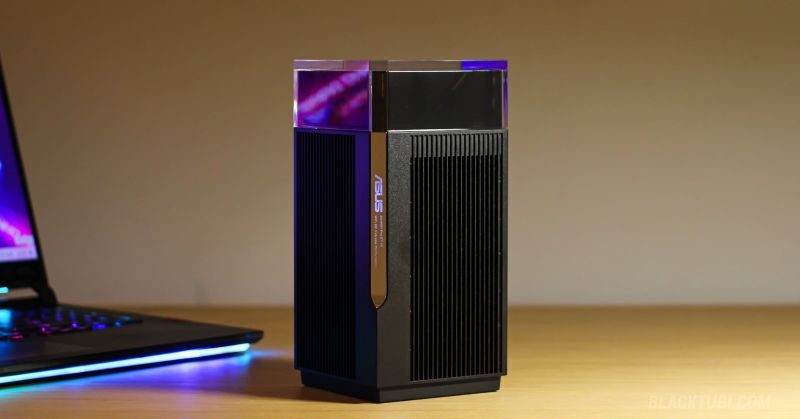
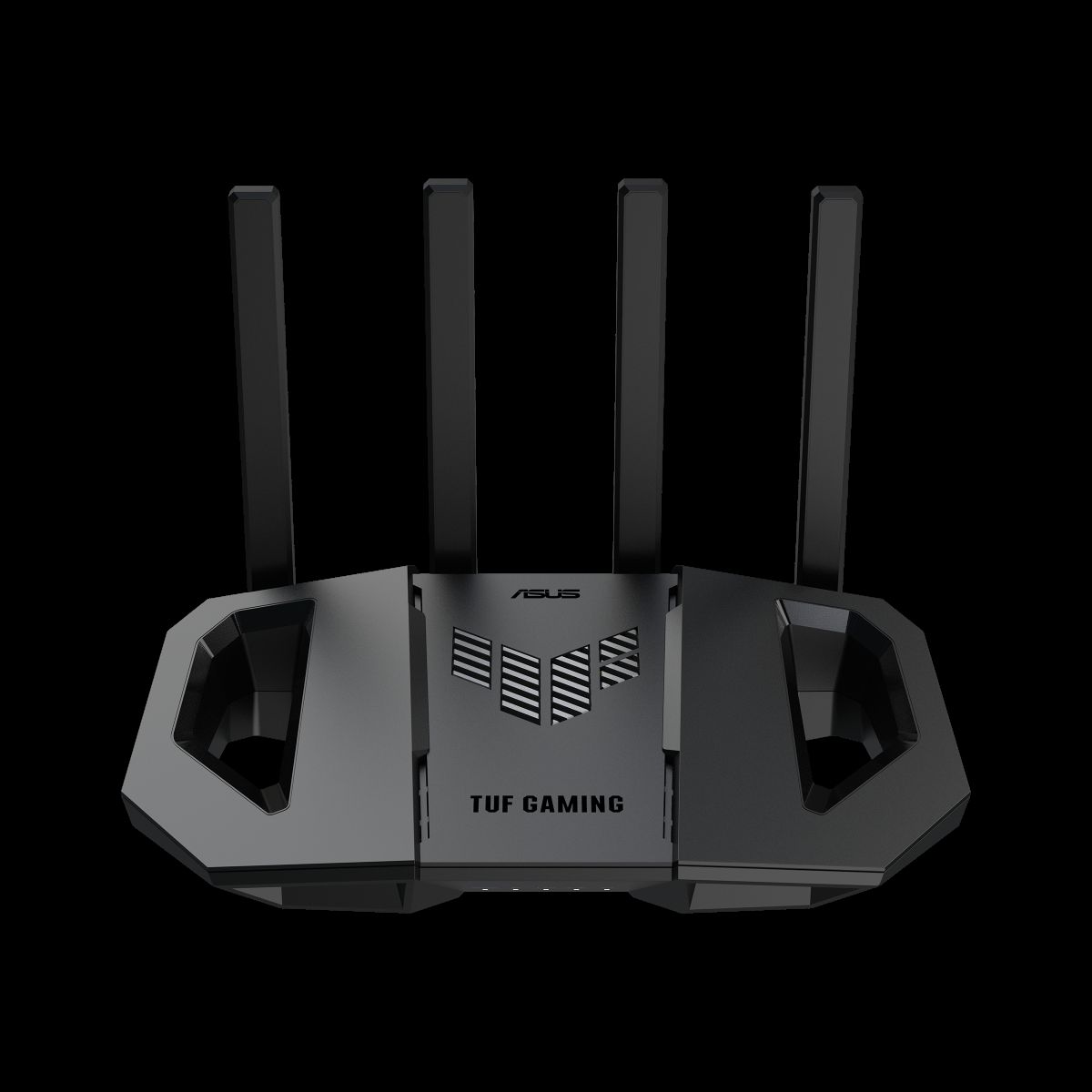
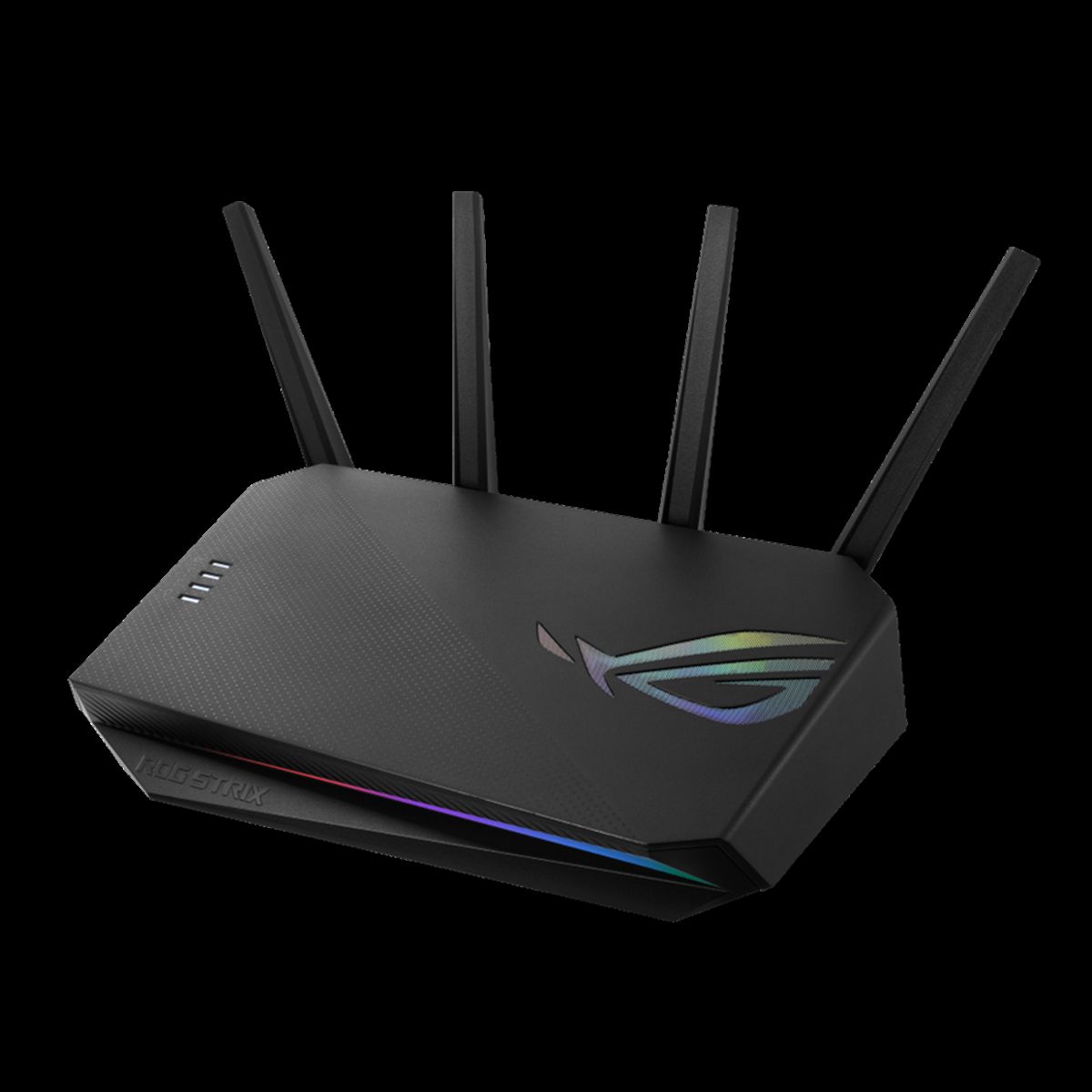
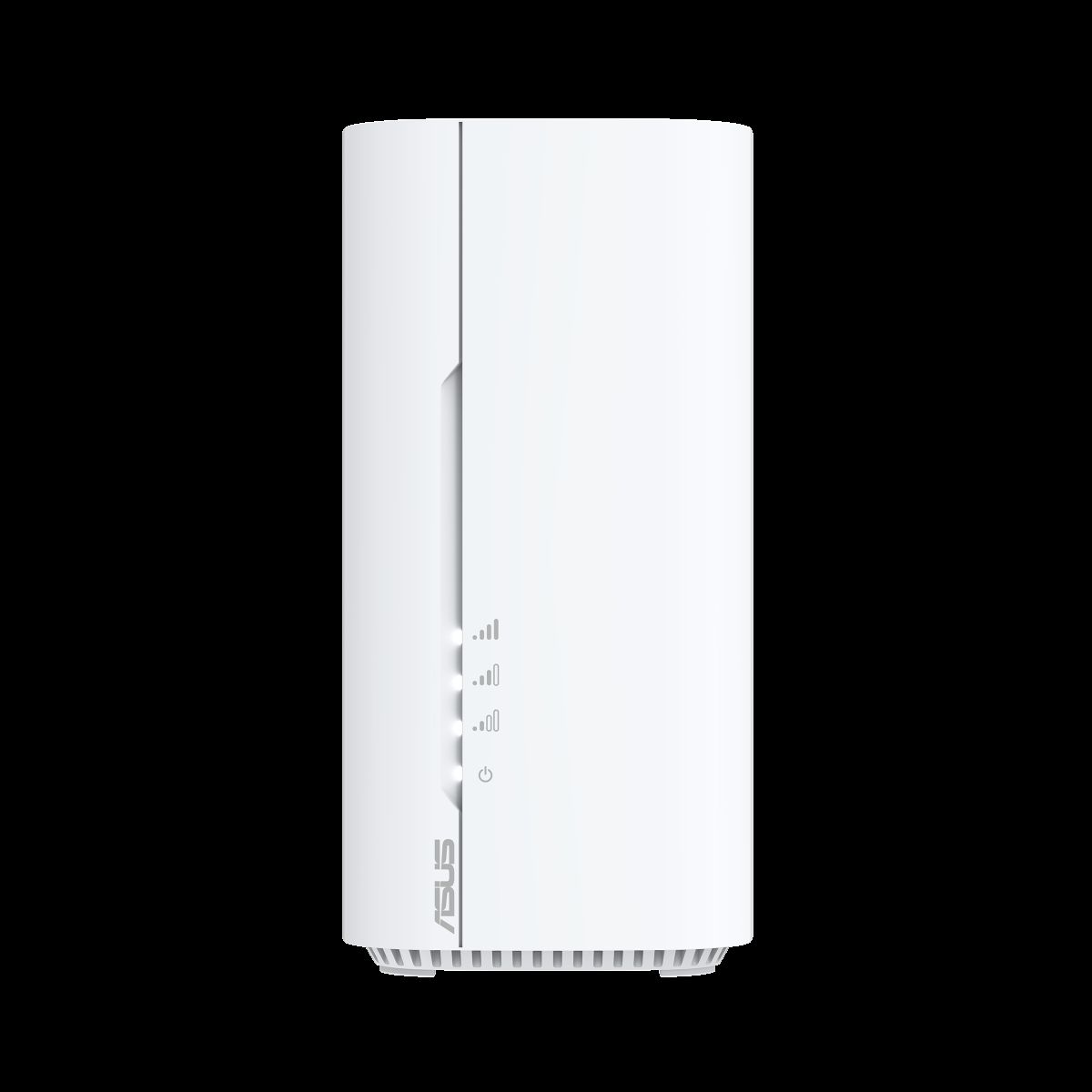
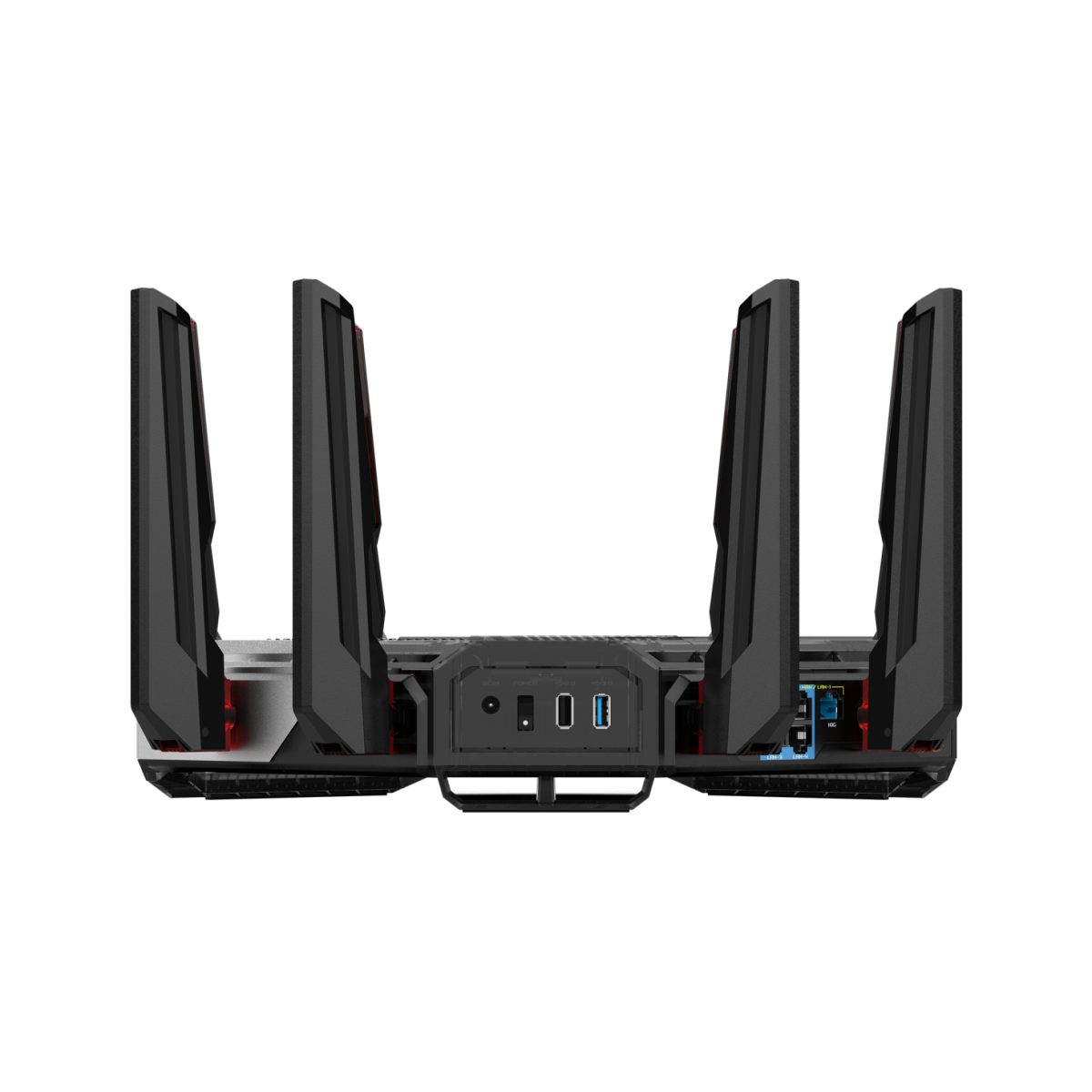
The networking landscape is accelerating rapidly into the Wi-Fi 7 era, and ASUS has just staked its claim with the announcement of the ROG Strix GS-BE7200. This new router is positioned squarely at the high-end enthusiast and gaming market, promising to deliver the phenomenal speed and ultra-low latency benefits of the 802.11be standard. However, in a surprising strategic move, ASUS has chosen to execute this next-generation powerhouse as a dual-band device, focusing its firepower exclusively on the 2.4 GHz and 5 GHz spectrums.
While many flagship Wi-Fi 7 competitors are leaning heavily on the recently adopted 6 GHz band, the GS-BE7200 aims to maximize performance within the established dual-band framework. The router achieves a remarkable aggregated speed ceiling of 7200 Mbps, largely thanks to two cornerstone features of the Wi-Fi 7 specification: 320 MHz channel bandwidth and Multi-Link Operation (MLO).
The real technological leap resides in the 5 GHz band, which can now leverage the unprecedented 320 MHz channels, effectively doubling the width available in previous Wi-Fi 6 generations. This increased capacity is crucial for handling massive data loads, a necessity for competitive online gaming and high-resolution media streaming. Furthermore, the integration of 4K QAM modulation allows for denser data transmission, optimizing every available slice of bandwidth and driving significantly improved spectral efficiency.
The implementation of MLO is perhaps the most significant functional upgrade for latency-sensitive applications like gaming. This technique allows client devices to simultaneously transmit and receive data across multiple frequencies, dramatically enhancing reliability and reducing jitter by leveraging the best available channel at any given millisecond. This feature provides a robust layer of communication resilience, particularly in heavily congested metropolitan environments where spectrum interference is common.
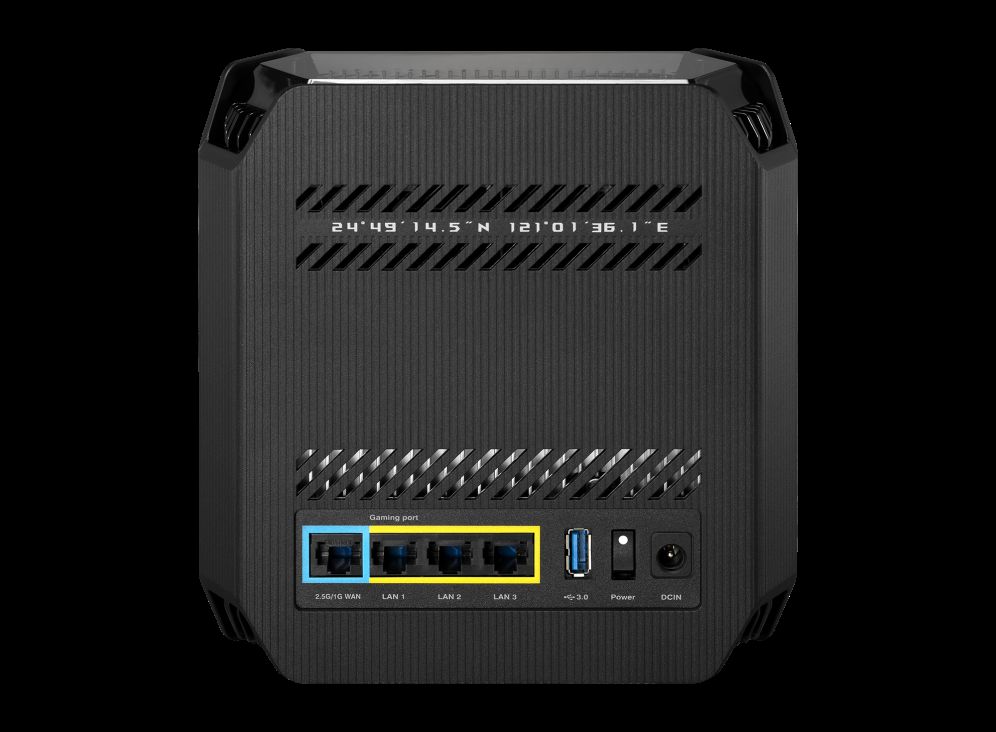
From a connectivity standpoint, the router is built to handle the future demands of wired networking. It features dual 2.5 Gigabit Ethernet ports, configured for both WAN and LAN use, ensuring that users can capitalize on multi-gigabit fiber connections and transfer high-speed data across their local network infrastructure without becoming a bottleneck. This is complemented by three additional standard Gigabit LAN ports, providing robust connectivity for stationary devices like consoles, desktops, and network-attached storage units.
The GS-BE7200 is also deeply embedded within the ROG ecosystem, meaning it includes advanced, tailored features designed to prioritize gaming traffic. Technologies like Triple-Level Game Acceleration ensure that packets related to gaming receive preferential routing priority from the device all the way through the connection point, a critical factor for professional and casual gamers seeking to shave milliseconds off their response times in high-stakes environments. ASUS is clearly betting that the sheer power and optimization of dual-band Wi-Fi 7, combined with aggressive prioritization software, will be more appealing to their core enthusiast audience than mandating immediate adoption of the still-developing 6 GHz standard.